Essential Pet Care Tips for Happy, Healthy Pets - Pet Care

Expert Pet Care and Veterinary Services in Long Beach: Your Trusted Partner for Lifelong Health
At Pine Animal Hospital, we believe in a holistic approach to pet wellness, blending advanced veterinary medicine with nurturing care to ensure your beloved dogs and cats in Long Beach enjoy vibrant, healthy lives. Our integrative practice focuses on preventing illness, easing discomfort, and empowering you with the knowledge to be your pet’s best advocate. Discover how we can support your furry family member:
- A complete spectrum of veterinary services, from routine check-ups to urgent care.
- Guidance on recognizing and managing common allergy symptoms in dogs.
- Professional cat grooming and essential tips for at-home care.
- Support for a smooth and joyful pet adoption journey.
- Key preventative measures, including vaccinations, parasite control, and nutrition.
- Expert advice on specialized diets, reading pet food labels, and creating healthy homemade treats.
- Understanding the vital signs of a healthy pet and when to seek professional help.
This comprehensive guide is designed to provide Long Beach pet parents with practical insights and highlight how Pine Animal Hospital’s dedicated team offers compassionate support at every step of your pet’s life.
Comprehensive Veterinary Services Offered at Pine Animal Hospital in Long Beach
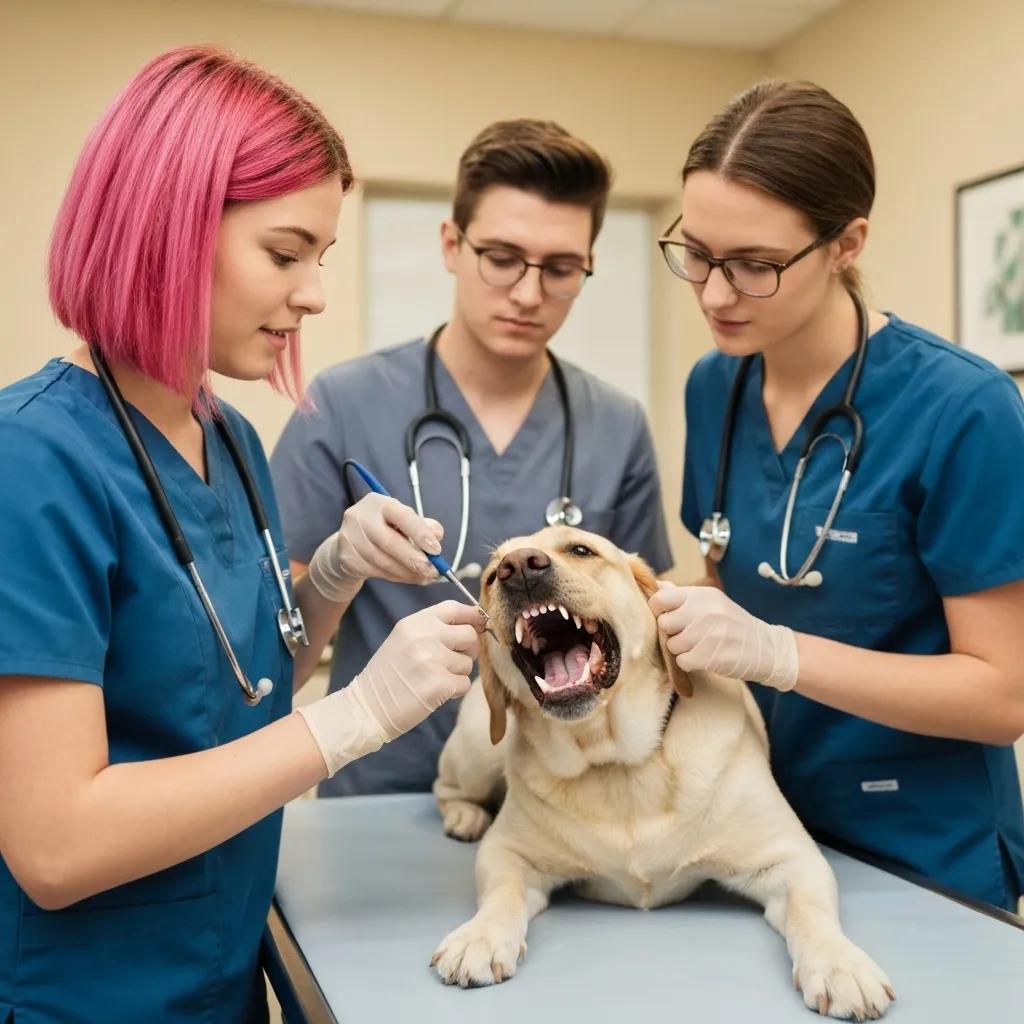
Pine Animal Hospital provides a full range of veterinary services, combining medical expertise with heartfelt care to ensure your pet receives effective treatment and ongoing wellness support. Our integrated approach to dentistry, surgery, and alternative therapies helps prevent complications and promotes optimal recovery for a variety of health concerns. For instance, dogs experiencing periodontal disease benefit greatly from our professional cleanings, which not only improve oral health but also reduce systemic inflammation and enhance overall well-being, preparing them for further integrative treatments.
What medical, dental, and surgical care options are available for your pets?
- Preventative Wellness Exams & Diagnostics: Thorough physical examinations, advanced laboratory testing, and state-of-the-art imaging to detect health issues early.
- Advanced Dental Care & Oral Surgery: Professional cleaning, scaling, polishing, tooth extractions, and periodontal treatments to safeguard against systemic health risks.
- Specialized Surgery Services: Routine spay/neuter procedures, mass removals, complex orthopaedic repairs, and soft-tissue surgeries performed with meticulous attention and advanced anesthetic monitoring.
Every service is thoughtfully customized to your pet’s unique age, breed, and health profile, ensuring gentle handling and precise results that seamlessly transition into comprehensive holistic recovery plans.
How does our integrative veterinary approach elevate your pet's care?
Integrative veterinary medicine harmonizes conventional diagnostics with complementary therapies such as acupuncture, herbal medicine, and nutritional counseling, addressing your pet’s health from all angles. This approach:
- Naturally Eases Discomfort – Acupuncture stimulates the body’s natural pain-relief mechanisms, offering relief for chronic conditions like arthritis without relying heavily on medication.
- Strengthens the Immune System – Carefully selected herbal formulas can bolster your pet’s natural defenses and aid in recovery following medical procedures.
- Enhances Emotional Well-being – Targeted nutritional supplements and botanical extracts can help soothe anxious pets, especially during hospital stays.
By thoughtfully integrating these modalities with standard veterinary treatments, integrative medicine at Pine Animal Hospital significantly accelerates healing, improves your pet’s quality of life, and minimizes potential side effects.
Exploring the Efficacy of Integrative Therapies for Canine Allergies
A 2022 study published in Veterinary Sciences investigated the effectiveness of acupuncture, phytotherapy, and dietary modifications compared to traditional Western treatments for dogs suffering from food sensitivities and itchy skin conditions. The research concluded that these alternative therapeutic methods can achieve significant improvement, and in some cases, complete resolution of allergic symptoms in affected dogs.
This valuable research underscores the principles discussed in this article, highlighting how integrative veterinary medicine, including nutritional adjustments and alternative therapies, can be highly effective in managing canine allergy symptoms.
What emergency and routine wellness services are available to pet parents?
Pine Animal Hospital is equipped to provide both immediate emergency care and essential routine preventive services, ensuring your pet receives timely attention for urgent needs and consistent support for long-term health. Our services include:
- 24/7 Emergency Care – Prompt triage, intravenous fluid therapy, wound management, and critical care monitoring for urgent situations.
- Vaccination & Parasite Prevention Programs – Customized immunization schedules and year-round protection against fleas, ticks, and heartworms.
- Specialized Senior Pet Care – Biannual geriatric wellness screenings, including comprehensive metabolic panels, joint assessments, and personalized nutritional plans.
Our commitment to emergency preparedness and proactive health strategies works in tandem to protect your pets throughout their lives, setting the foundation for effectively identifying and managing allergy symptoms.
Identifying and Managing Common Allergy Symptoms in Dogs
Early detection of allergies in dogs is crucial for preventing chronic skin issues, recurrent ear infections, and digestive upset, allowing for prompt intervention through dietary adjustments and appropriate medical treatments. Whether triggered by environmental factors or food sensitivities, allergies can lead to persistent itching, scratching, and secondary infections that significantly impact your dog’s comfort and quality of life. Identifying the root cause and implementing targeted therapies are key to restoring healthy skin and alleviating discomfort.
What are the tell-tale signs of allergies in dogs?
- Constant Itching and Scratching – Especially noticeable on the paws, face, or ears.
- Inflamed, Red Skin – Often accompanied by small bumps or sores resulting from excessive scratching.
- Recurring Ear Infections – Characterized by frequent head shaking, redness, and an unpleasant odor within the ear canals.
Recognizing these early indicators allows you to consult with your veterinarian promptly, preventing the development of more serious complications such as bacterial or yeast overgrowth.
What treatments and dietary strategies are effective for managing dog allergies?
| Therapeutic Approach | How It Works | Key Benefits |
|---|---|---|
| Hypoallergenic Diet | Excludes common allergenic proteins | Minimizes exposure to triggers, reducing inflammation |
| Medications (Antihistamines, Steroids) | Inhibits allergic responses | Provides rapid relief from itching and swelling |
| Omega-3 Fatty Acid Supplements | Modulates inflammatory pathways | Supports skin barrier health and reduces flare-up frequency |
A carefully tailored combination of these interventions can effectively break the cycle of allergic reactions and restore your dog’s comfort, paving the way for gentle cat grooming practices at home.
When is it time to seek veterinary guidance for your dog's allergy symptoms?
- Persistent or Worsening Itchiness – When itching doesn’t improve with over-the-counter remedies.
- Signs of Secondary Infection – Visible redness, crusting, or discharge from skin lesions.
- Systemic Signs of Distress – Lethargy, loss of appetite, or vomiting accompanying severe allergic reactions.
Prompt professional evaluation is essential to prevent further skin damage and ensure timely adjustments to your pet’s diet or medication plan.
Essential Cat Grooming Services and At-Home Care Recommendations
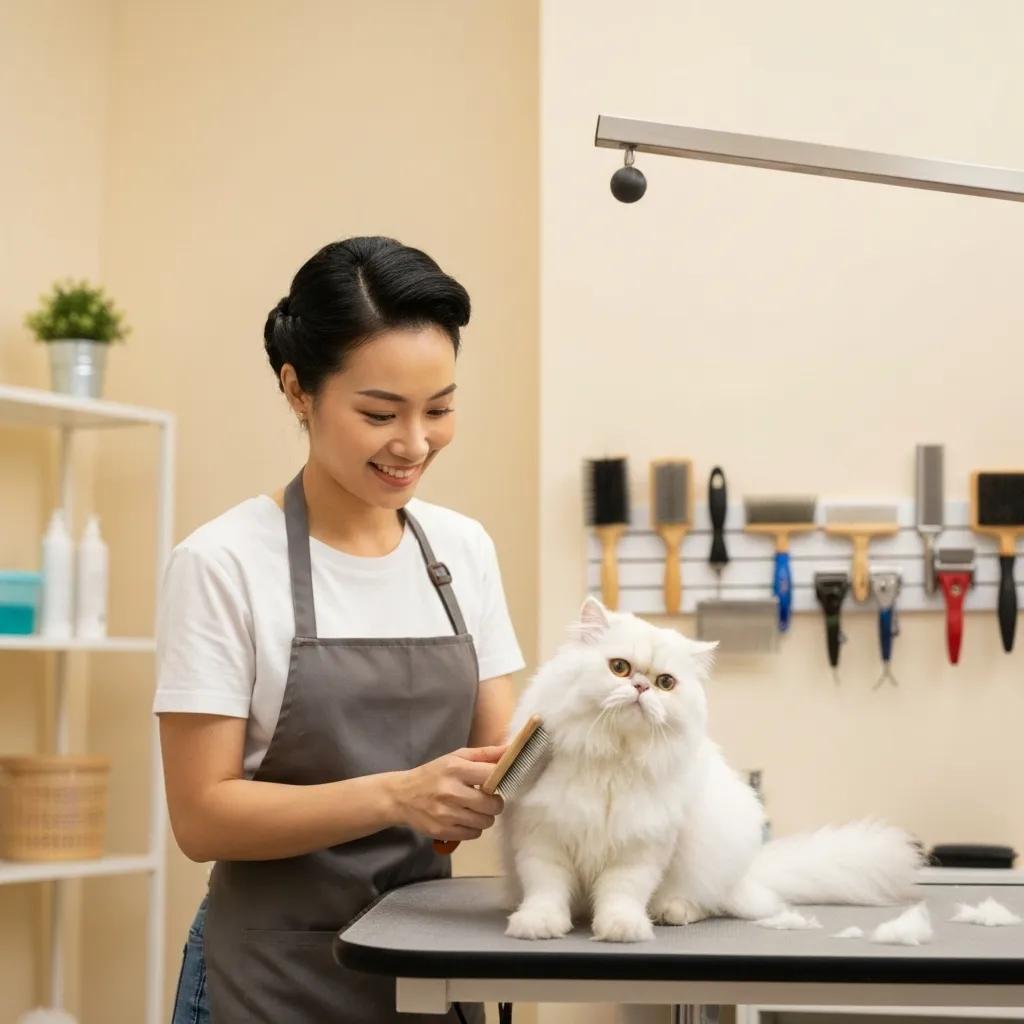
Regular professional grooming and consistent at-home care are vital for maintaining your cat’s coat health, minimizing shedding, and preventing hairballs, all while promoting relaxation and healthy skin. Consistent grooming removes loose fur, distributes natural oils for a lustrous coat, and prevents painful matting. These practices complement overall wellness care, contributing to the visible signs of a truly healthy and happy cat.
What professional grooming services are available for cats in Long Beach?
- Expert Haircuts & Dematting – Tailored styles to suit your cat’s breed and coat type for maximum comfort and manageability.
- Gentle Nail Trimming & Paw Care – Routine maintenance to prevent discomfort from overgrowth and ensure healthy paw pads.
- Hygiene Trims & Ear Cleaning – Precise sanitary trims and careful ear canal cleansing to reduce the risk of infections.
Our grooming professionals are attuned to your cat’s behavioral cues, ensuring a supportive and stress-free experience that can be easily continued with at-home routines.
How can pet owners safely groom their cats at home?
- Selecting the Right Grooming Tools – Utilize a slicker brush for long-haired cats and a rubber curry comb for short coats to effectively remove loose fur and dander.
- Positive Reinforcement Techniques – Introduce grooming gradually through short, positive sessions, rewarding your cat with treats and praise.
- Safe Nail Trimming – Gently extend each paw to expose the claws, then carefully trim only the very tip with specialized cat nail clippers.
Consistent, gentle at-home grooming reinforces coat health and encourages your cat to be more cooperative during future veterinary wellness exams.
What are the health and behavioral benefits of regular cat grooming?
- Reduces Hairball Incidence – Effectively removes loose fur, minimizing ingestion during self-grooming.
- Enhances Skin and Coat Health – Stimulates circulation and oil distribution for a healthier, shinier coat.
- Strengthens the Human-Animal Bond – Positive grooming interactions build trust and reduce anxiety, fostering a deeper connection.
A well-structured grooming routine nurtures both your cat’s physical well-being and emotional security, providing a wonderful foundation for new pet owners preparing for adoption.
Your Comprehensive Guide to Navigating Pet Adoption in Long Beach
A successful pet adoption involves understanding post-adoption adjustments, creating a welcoming home environment, and scheduling essential initial veterinary care. Welcoming a new pet is a significant life event for both you and your companion, requiring thoughtful preparation to foster lasting bonds and ensure a smooth transition. Establishing consistent routines from the start is key to effective preventative care.
What can you expect during your new pet's adjustment period?
- Changes in Eating Habits – Some pets may eat less initially as they acclimate to their new surroundings.
- Exploratory or Reserved Behavior – Shyness, cautious exploration, or a desire to find a safe, quiet space are common.
- Adjustments to Potty Habits – Establishing new routines and locations for elimination will be necessary.
Understanding these normal transitional behaviors allows you to offer compassionate support and know when to consult your veterinarian if behavioral changes persist beyond the initial settling-in phase.
How to prepare your home and schedule veterinary care for your adopted pet?
- Create a Safe Home Environment – Designate comfortable areas with appropriate bedding, food and water stations, litter boxes, or designated chew-proof spaces.
- Schedule an Initial Health Check-up – Book a wellness exam within the first week of adoption for essential vaccinations, parasite screenings, and baseline health assessments.
- Establish Daily Routines – Set consistent schedules for feeding, grooming, exercise, and playtime that align with lifelong preventative health practices.
Early engagement with your veterinary team ensures tailored vaccination plans and introduces you to integrative therapy options that can optimize your pet’s long-term health.
What are the rewarding benefits of adopting senior or rescue pets?
- Known Temperament and Personality – Adoption profiles often provide valuable insights into an animal’s established character and behavior.
- Deep Gratitude and Companionship – Older pets frequently form strong attachments and show immense appreciation for a stable, loving home.
- Opportunities for Impact – You can support rescue organizations and significantly improve an animal’s quality of life through dedicated veterinary care.
Opening your home to a senior pet fosters compassionate stewardship and highlights the profound importance of regular wellness checks in maintaining their long-term health and happiness.
Essential Preventative Pet Care Practices for Lifelong Health
Proactive preventative care, including regular wellness exams, crucial vaccinations, consistent parasite control, and a balanced diet, is the cornerstone of staving off disease and detecting health issues in their earliest stages. By prioritizing your pet’s health proactively, you can minimize future treatment costs, reduce the likelihood of emergency visits, and significantly extend the years of quality companionship you share. Embracing these practices provides a clear roadmap to sustained vitality throughout every stage of your pet’s life.
How frequently should pets undergo wellness examinations?
| Life Stage | Recommended Frequency | Primary Objectives |
|---|---|---|
| Puppy/Kitten | Every 3–4 weeks | Completing vaccination series, monitoring growth and development |
| Adult (1–7 years) | Annually | Routine health assessments, lifestyle and nutritional counseling |
| Senior (>7 years) | Every 6 months | Geriatric health screenings, proactive management of chronic conditions |
Consistent adherence to these examination schedules ensures seamless updates for vaccinations and dietary reviews, which also positively impacts allergy management and grooming routines.
What vaccinations and parasite prevention are vital for dogs and cats?
- Core Vaccinations: For dogs: Rabies, distemper, parvovirus. For cats: Rabies, panleukopenia, herpesvirus.
- Flea & Tick Prevention: Monthly topical or oral treatments to prevent infestations and protect against tick-borne diseases.
- Heartworm Prevention: Year-round medication is recommended for dogs and cats in areas where heartworm is prevalent.
Following these essential protocols strengthens your pet’s immune system and significantly reduces the risk of vector-borne illnesses, complementing our integrative strategies for optimal health.
How does proper nutrition contribute to preventative health?
- Complete & Balanced Diets: Foods formulated to meet AAFCO standards, providing essential nutrients for specific life stages.
- Functional Ingredients: Inclusion of probiotics for gut health, antioxidants for cellular support, and novel proteins for pets with sensitivities.
- Weight Management Solutions: Calorie-controlled options designed to prevent obesity and mitigate associated chronic health risks.
2021 AAHA Nutrition and Weight Management Guidelines for Dogs and Cats
These authoritative guidelines from the American Animal Hospital Association (AAHA) offer comprehensive recommendations for personalized nutritional assessments, diagnosis, and effective weight management strategies for both canine and feline patients. They emphasize the critical importance of considering individual factors such as age, physiological status, activity level, and owner feeding practices to develop truly effective nutrition plans.
This guideline directly reinforces the importance of balanced nutrition, understanding pet food labels, and receiving personalized dietary advice as fundamental components of preventative pet care and overall well-being.
Pine Animal Hospital's Expertise in Pet Nutrition and Diet in Long Beach
Our veterinary nutritionists at Pine Animal Hospital are dedicated to guiding pet owners through the complexities of label interpretation, ingredient selection, and the creation of balanced homemade treats. We ensure diets are tailored to address specific allergies, meet life-stage requirements, and provide behavioral enrichment. Personalized diet counseling helps reduce dietary indiscretions, supports weight management goals, and enhances skin and coat health through nutrient-dense formulations.
What are the top hypoallergenic and limited-ingredient dog food options?
- Novel Protein Formulas (e.g., Duck & Pea): Featuring a single, less common protein source with a controlled amino acid profile, ideal for sensitive digestive systems.
- Hydrolyzed Protein Diets: Proteins broken down into fragments too small to elicit an immune response, suitable for severe food sensitivities.
- Alternative Carbohydrate Bases (e.g., Grain-Free): Utilizing ingredients like tapioca or sweet potato to exclude common cereal allergens while providing essential energy.
Selecting an appropriate diet is a critical step in interrupting allergic reactions and preparing the groundwork for safely preparing customized homemade treats.
How can pet owners effectively read pet food labels and choose healthy options?
- Prioritize First Ingredients – Look for named animal proteins or whole-food sources listed prominently at the beginning of the ingredient list.
- Analyze the Guaranteed Analysis – Compare percentages of crude protein, fat, fiber, and moisture to ensure they align with your pet’s life-stage requirements.
- Identify Unnecessary Additives & Fillers – Avoid excessive by-products, artificial colors, or preservatives that may be linked to adverse reactions.
This knowledge empowers pet owners to make informed decisions, selecting nutritionally sound diets that support preventative health goals and effective allergy management strategies.
Can homemade pet treats contribute positively to your pet’s diet?
| Wholesome Ingredient | Nutritional Advantage | Ideal Use |
|---|---|---|
| Lean Cooked Chicken Breast | High-quality protein source | A healthy, low-fat training reward |
| Plain Puréed Pumpkin | Excellent source of dietary fiber | Aids digestive health and promotes firm stools |
| Fresh Blueberries | Rich in antioxidants | Supports immune system function |
Crafting balanced treats under veterinary supervision ensures they are safe, beneficial, and allow for deeper engagement in your pet’s daily wellness journey.
Recognizing a Healthy Pet and Knowing When to Seek Veterinary Care
Healthy pets consistently exhibit good energy levels, maintain a glossy coat, and have a normal appetite. Promptly recognizing deviations from these norms is key to seeking timely veterinary intervention. Vigilantly monitoring your pet’s behavior, physical appearance, and vital signs empowers you to take proactive steps, preventing minor issues from escalating into more serious health concerns.
How can you identify normal behavior and vital signs in dogs and cats?
- Energy Levels & Activity: Consistent playfulness, regular sleep patterns, and natural curiosity.
- Coat & Skin Health: Smooth, shiny fur free from dandruff, excessive shedding, or skin irritations.
- Key Vital Parameters: Normal Temperature: Approximately 38–39.2 °C (100.5–102.5 °F) for dogs, 38–39.3 °C (100.5–102.7 °F) for cats.Typical Pulse Rate: 60–140 beats per minute for dogs, 140–220 beats per minute for cats.Normal Respiration Rate: 10–30 breaths per minute for dogs, 20–30 breaths per minute for cats.
Regularly observing these indicators helps establish your pet’s baseline norms, making any subtle changes more apparent during each wellness examination.
What common health issues should pet owners be aware of?
- Dental Disease: Signs include persistent bad breath, visible tartar buildup, and potential tooth loss due to untreated plaque.
- Obesity: Excess body weight can lead to joint strain, increased risk of diabetes, and reduced mobility.
- Skin Conditions: Allergies, parasitic infections, or hormonal imbalances can manifest as hair loss, itching, and irritation.
Increased awareness of these prevalent conditions encourages owners to seek veterinary support proactively, before complications arise.
When is it critical to schedule an urgent veterinary appointment?
Seek immediate veterinary attention if your pet exhibits any of the following:
- Sudden Lethargy or Collapse – A rapid onset of weakness or inability to stand.
- Severe Gastrointestinal Upset – Persistent vomiting, diarrhea, or a complete refusal to eat or drink.
- Signs of Respiratory Distress – Difficulty breathing, rapid panting, or open-mouth breathing, which could indicate airway obstruction or cardiac issues.
Timely professional assessment is paramount for preserving your pet’s health and comfort, upholding the trust and transparency that Pine Animal Hospital is committed to providing at every interaction.
What Schema.org Markup Enhances Veterinary Services and Pet Care Content Visibility?
To ensure search engines can better understand and index your content, utilize specific semantic markup types for distinct elements:
- Employ LocalBusiness with the additional type VeterinaryCare to detail clinic information.
- Implement Service markup for each medical, dental, surgical, or grooming offering.
- Apply Article markup to your health guides to enable rich snippets and improve visibility in related search queries.
Accurate annotation of these entities significantly boosts Pine Animal Hospital’s online presence and contextual relevance for both local and informational searches.
How to Optimize Images and Videos for Enhanced Pet Care SEO?
- Use descriptive filenames, such as dog-allergy-treatment-long-beach.jpg.
- Craft detailed alt text that includes service, location, and pet type: “Veterinarian discussing allergy treatment options for a dog at Pine Animal Hospital in Long Beach.”
- Provide accurate video transcripts and closed captions to enhance accessibility and keyword relevance.
Optimized visual content not only improves user engagement and reduces bounce rates but also reinforces thematic relevance for both pet owners and search engine algorithms.
Which FAQ Questions Are Best Suited for Capturing Featured Snippets?
To increase your chances of appearing in the “People Also Ask” section, focus on concise, direct question prompts like:
- How often should my cat have a dental check-up?
- What are the initial signs of heartworm in dogs?
- Which vaccinations are essential for kittens in Long Beach?
- How can I choose the best food for my dog with sensitive skin?
Conclude your journey through comprehensive pet wellness by scheduling regular care that ensures your companion’s lifelong health and happiness. Pine Animal Hospital’s integrative approach masterfully combines advanced medical treatments with holistic therapies, supporting every stage of your pet’s life—from their first days home to their golden years. Trust our expert team to provide clear, compassionate guidance and timely interventions that prevent illness and promote vitality. Your pet’s well-being is our highest priority, starting with informed decisions and consistent, personalized care tailored to the unique needs of Long Beach’s cherished animal companions.