Microchipping Your Pet in Long Beach: What Every Dog and Cat Owner Should Know
Microchipping your pet is a crucial step in ensuring their safety and security. This small, rice-sized device can make a significant difference in reuniting lost pets with their owners. In Long Beach, where the pet population is vibrant, understanding the microchipping process is essential for dog and cat owners. This article will provide comprehensive insights into the importance of microchipping, how it works, its benefits, and what to expect during the procedure at Pine Animal Hospital. By the end, you will be equipped with the knowledge to make informed decisions about your pet’s identification and safety.
Why Is Microchipping Your Pet in Long Beach So Important?
Microchipping is vital for pet identification and recovery, especially in a bustling city like Long Beach. This permanent form of identification significantly increases the chances of reuniting lost pets with their owners. Unlike collars and tags, which can be lost or removed, a microchip provides a reliable means of identification that is always with your pet. Additionally, microchips can be linked to your pet’s medical records, ensuring that veterinarians have access to important health information in case of emergencies.
The importance of microchipping cannot be overstated, as it serves as a safety net for pet owners. In a city where pets can easily wander off or get lost, having a microchip can mean the difference between a happy reunion and a prolonged search. Understanding the microchipping process and its benefits is essential for every pet owner in Long Beach.
Indeed, microchips have revolutionized the approach to managing and identifying stray or lost domestic animals, offering a critical tool in combating pet homelessness.
Microchips: A Solution for Stray Animal Identification
Animal homelessness is a complex issue. Animal shelters, rescue organizations, and even authorities all around the globe fight an unfair fight: the number of animals that become homeless is much greater than the number of animals that are provided for adoption or are found by them. Regardless of whether the condition of the animal is caused by abandonment or loss, these numbers grow in an alarming way. With the invention of the microchip and with its almost exponential evolution, a whole new world of possibilities has opened in this area.
ELECTRONIC IDENTIFICATION OF STRAY DOMESTIC ANIMALS–BARRIERS AND CHALLENGES, I Nedelkovski, 2023
How Does a Pet Microchip Work to Keep Your Dog or Cat Safe?
A pet microchip works by using radio-frequency identification (RFID) technology to provide a unique identification number for your pet. This number is stored in a database that can be accessed by veterinarians and animal shelters. When a lost pet is found, a scanner is used to read the microchip, allowing the finder to contact the registered owner. This system ensures that pets can be quickly identified and returned to their families, enhancing their safety and security.
The microchip itself is a small, encapsulated device that is implanted under your pet’s skin, typically between the shoulder blades. It does not require a battery and is designed to last a lifetime. The process is quick and minimally invasive, making it a safe option for pet identification. By understanding how microchips work, pet owners can appreciate the peace of mind that comes with this form of identification.
What Are the Key Benefits of Microchipping Dogs and Cats?
Microchipping offers several key benefits for pet owners, making it an essential consideration for anyone with a dog or cat. Here are the primary advantages:
- Permanent Identification: Microchips provide a permanent form of identification that cannot be lost or removed, unlike collars and tags.
- Facilitates Recovery: In the event that your pet goes missing, a microchip significantly increases the chances of a successful reunion.
- One-Time Cost: Microchipping is a one-time procedure, making it a cost-effective solution for pet identification.
These benefits highlight why microchipping is a responsible choice for pet owners. For those considering microchipping, Pine Animal Hospital offers comprehensive services to ensure your pet is safely and effectively microchipped.
What to Expect During the Microchip Implant Procedure at Pine Animal Hospital
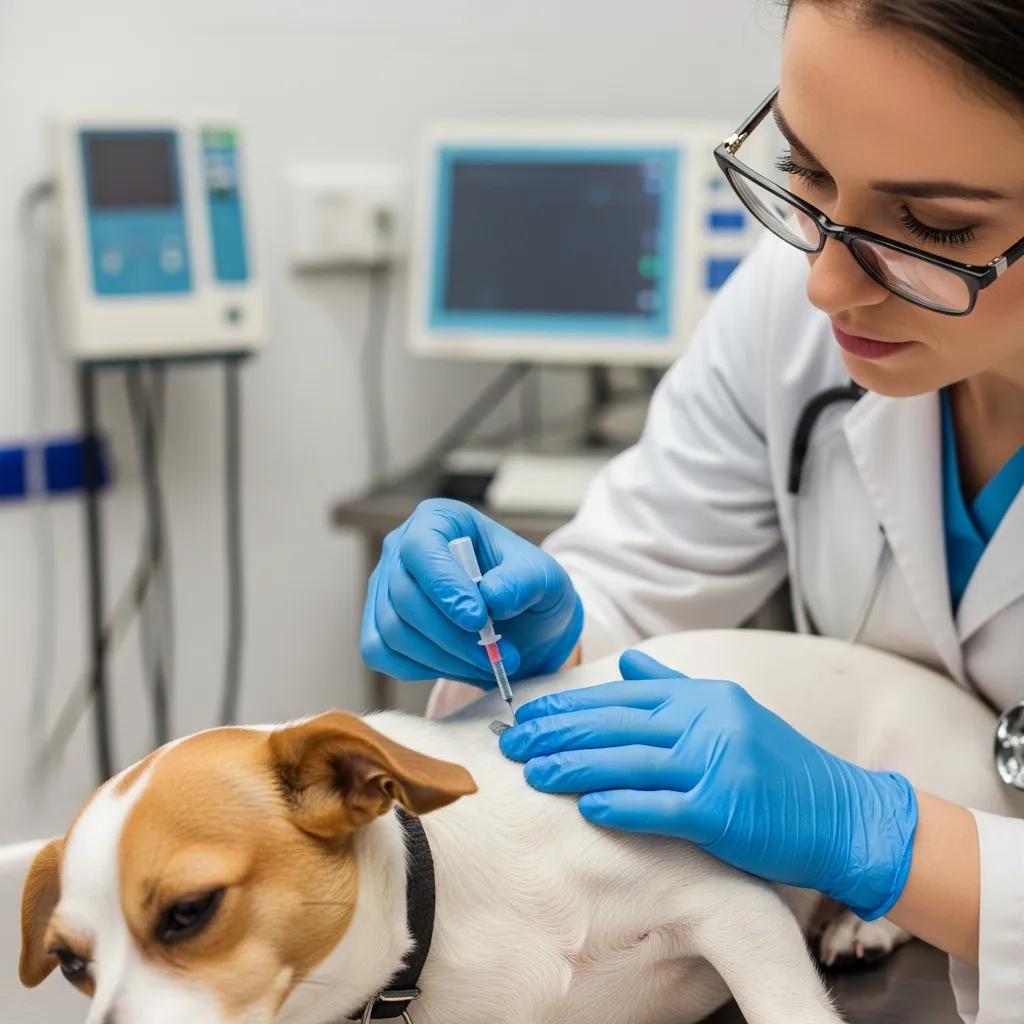
When you bring your pet to Pine Animal Hospital for microchipping, you can expect a straightforward and quick procedure. The process begins with a brief consultation where the veterinarian will explain the procedure and answer any questions you may have.
How Is the Microchip Implanted in Your Pet?
The microchip implantation involves a simple injection, similar to a vaccination. The veterinarian will use a sterile needle to insert the microchip under your pet’s skin. This process is quick, typically taking only a few seconds, and is generally well-tolerated by pets. After the implantation, your pet may not even notice the microchip is there.
Studies confirm that veterinary clinics are central to this process, routinely performing microchip implantations for countless dogs and cats.
Microchip Implantation for Dogs & Cats at Vet Clinics
Describing the implementation of microchipping in animals, this study identified microchip implantation events for dogs and cats presenting to differing veterinary practices over their lifetime.
Identification of microchip implantation events for dogs and cats in the VetCompass Australia database, P McGreevy, 2019
Post-procedure care is minimal, and your pet can resume normal activities immediately. It’s important to keep track of your pet’s microchip registration information to ensure it is up to date.
Is Microchipping Safe for My Dog or Cat?
Microchipping is considered a safe procedure for both dogs and cats. The microchips used are biocompatible and designed to remain in the body without causing harm. Most pets experience little to no discomfort during the implantation process, and serious complications are rare.
Veterinarians recommend microchipping as a standard practice for pet identification. The benefits of having a permanent identification method far outweigh any potential risks. By choosing to microchip your pet, you are taking a proactive step in ensuring their safety.
How Can Microchipping Help with Lost Pet Recovery Services in Long Beach?
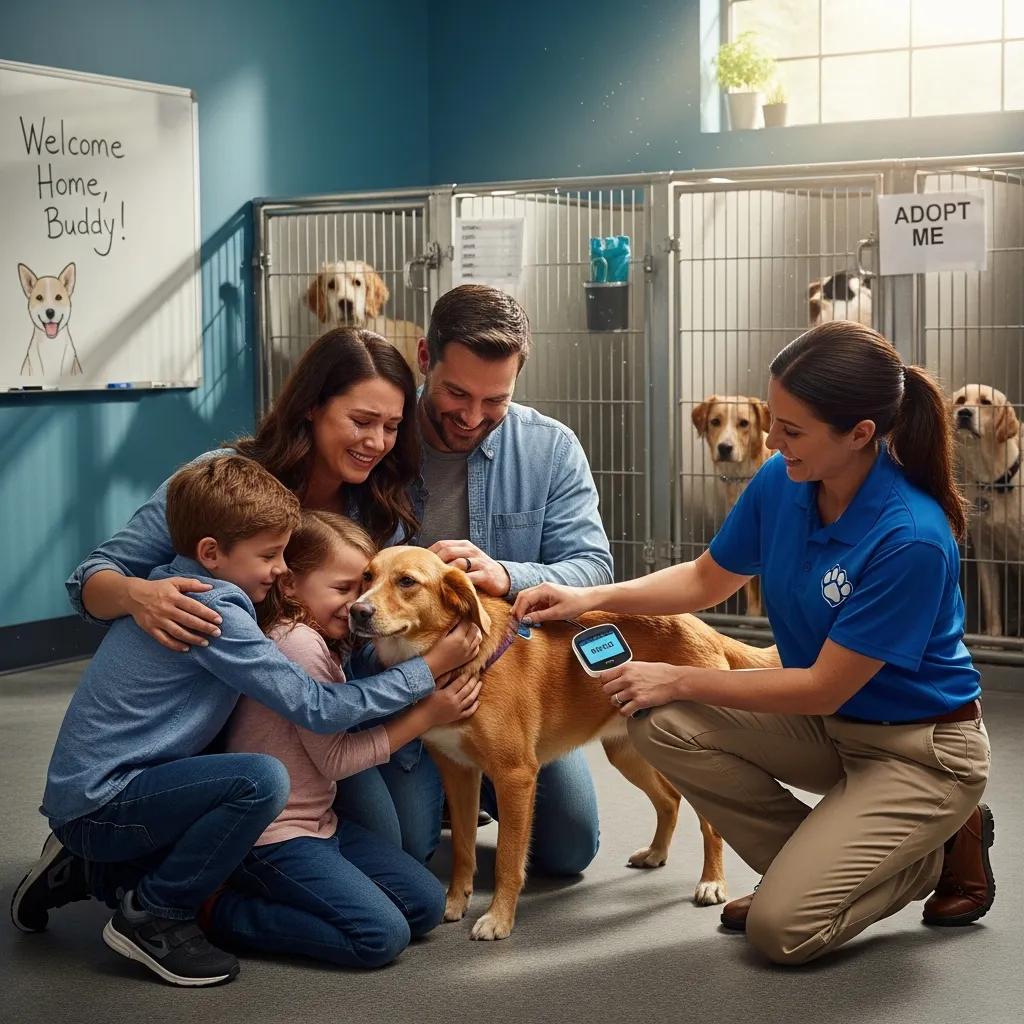
Microchipping plays a crucial role in lost pet recovery services in Long Beach. When a pet is found, animal shelters and veterinarians can quickly scan for a microchip, allowing them to identify the owner and facilitate a reunion. This process not only saves time but also reduces the stress and anxiety associated with losing a pet.
This advanced technology is specifically designed to aid animal shelters in efficiently identifying and reuniting lost pets with their rightful owners.
Microchip Technology for Lost Pet Recovery
Newer technology has led to the use of implanted microchip identification systems that can be used to identify pets and their owners. These systems are used by animal shelters to recover lost pets.
Search and identification methods that owners use to find a lost dog, TE Wittum, 2007
Additionally, microchipping can help avoid shelter fees and other costs associated with lost pets. By ensuring your pet is microchipped, you are enhancing their chances of being returned home safely and quickly.
What Happens After Your Pet’s Microchip Is Registered?
Once your pet’s microchip is implanted, it is essential to register the microchip with a national database. This registration links your pet’s unique identification number to your contact information, ensuring that you can be reached if your pet is found.
It is crucial to keep this information updated, especially if you move or change your phone number. Regularly checking your registration status can help ensure that your pet’s information is current and accessible.
How Does Microchip Registration Improve Lost Pet Recovery?
Microchip registration significantly improves lost pet recovery by providing a direct link between the pet and its owner. When a microchip is scanned, the database will display the owner’s contact information, allowing for immediate communication. This system streamlines the process of reuniting lost pets with their families, making it an invaluable tool for pet owners.
The effectiveness of microchip registration is evident in the high recovery rates of microchipped pets compared to those without identification. By investing in microchipping and ensuring proper registration, pet owners can enhance their chances of a successful reunion.
What Does Pet Microchip Cost in Long Beach and How to Schedule Your Appointment?
The cost of microchipping services in Long Beach typically ranges from $40 to $75, depending on the veterinary clinic. At Pine Animal Hospital, we offer competitive pricing for microchipping, ensuring that pet owners can access this essential service without breaking the bank.
To schedule an appointment for microchipping, simply contact Pine Animal Hospital at (562) 612-7438. Our team is ready to assist you in ensuring your pet’s safety and security through microchipping.
How Much Should You Expect to Pay for Microchipping Services?
When considering microchipping for your pet, it’s important to factor in the overall cost. The typical price for microchipping services includes the implantation of the microchip and registration in a national database.
- Microchip Implantation: $40 – $75
- Registration Fee: Often included in the initial cost
- Follow-Up Services: Minimal, typically no additional costs
Understanding these costs can help you budget for this important service, ensuring your pet is safely identified.
Where Can You Find Trusted Veterinary Microchipping Near Me in Long Beach?
Finding a trusted veterinary clinic for microchipping is essential for ensuring your pet’s safety. Pine Animal Hospital, located at 900 Pine Ave, Long Beach, CA 90813, is a full-service veterinary clinic offering comprehensive pet health services, including microchipping.
Our experienced team is dedicated to providing high-quality care for your pets, ensuring that they receive the best possible treatment. To learn more about our microchipping services or to schedule an appointment, call us at (562) 612-7438.
Microchipping your pet is a responsible decision that can significantly enhance their safety and security. By understanding the process and benefits, you can ensure that your furry friend is always protected.
If your pet requires urgent medical attention, Pine Animal Hospital provides emergency care services to address immediate health concerns.