Comprehensive Pet Dental Care at Pine Animal Hospital
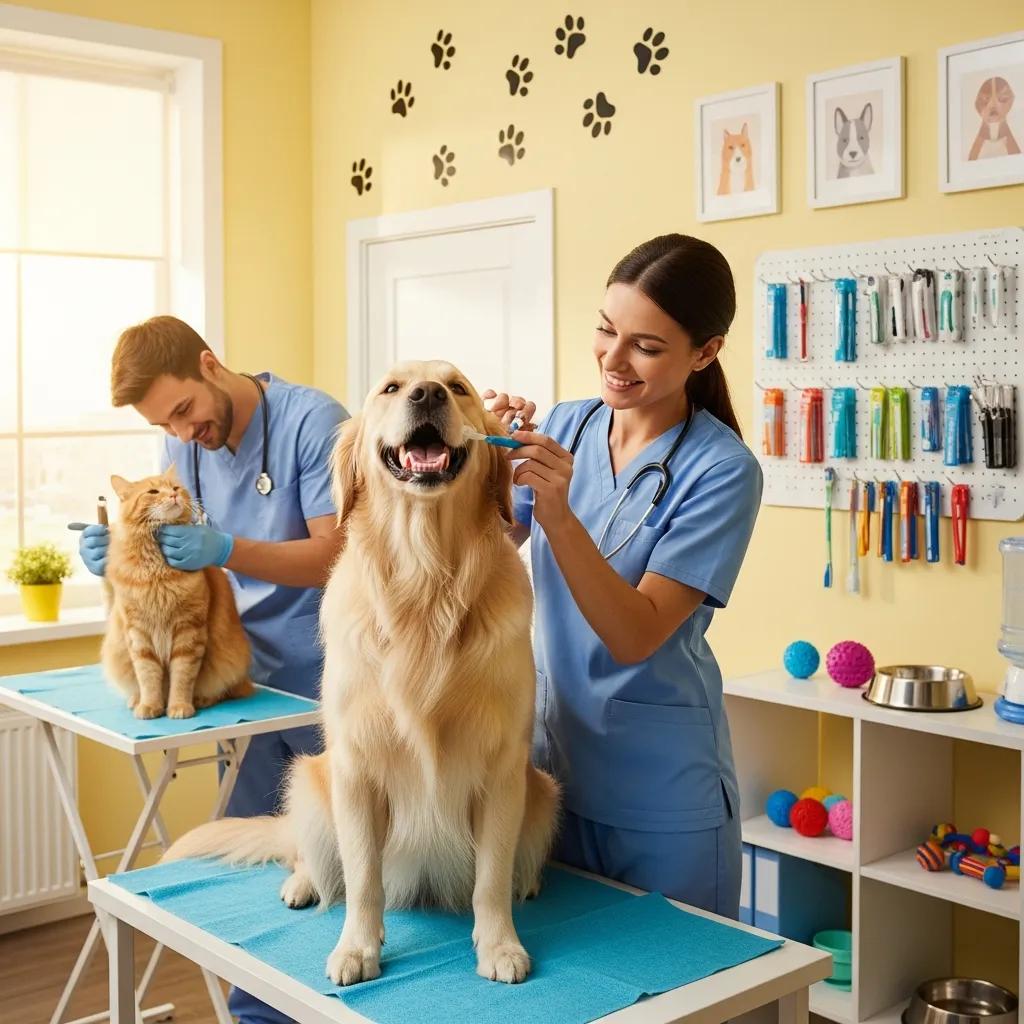
Pet Dental Care in Long Beach: Essential Guide for Dog and Cat Owners
Maintaining your pet’s dental health is crucial for their overall well-being, yet many pet owners overlook this essential aspect of care. This guide aims to provide comprehensive insights into pet dental care, specifically for dog and cat owners in Long Beach. You will learn about the importance of professional dental cleaning, how it prevents oral diseases, and the signs of dental disease to watch for in your pets. Additionally, we will explore the services offered by Pine Animal Hospital, a trusted provider of veterinary dental care in the area. By understanding the risks of neglecting oral hygiene and the best practices for home care, you can ensure your furry friends enjoy a healthy and happy life.
Why Is Professional Pet Dental Cleaning Important in Long Beach?
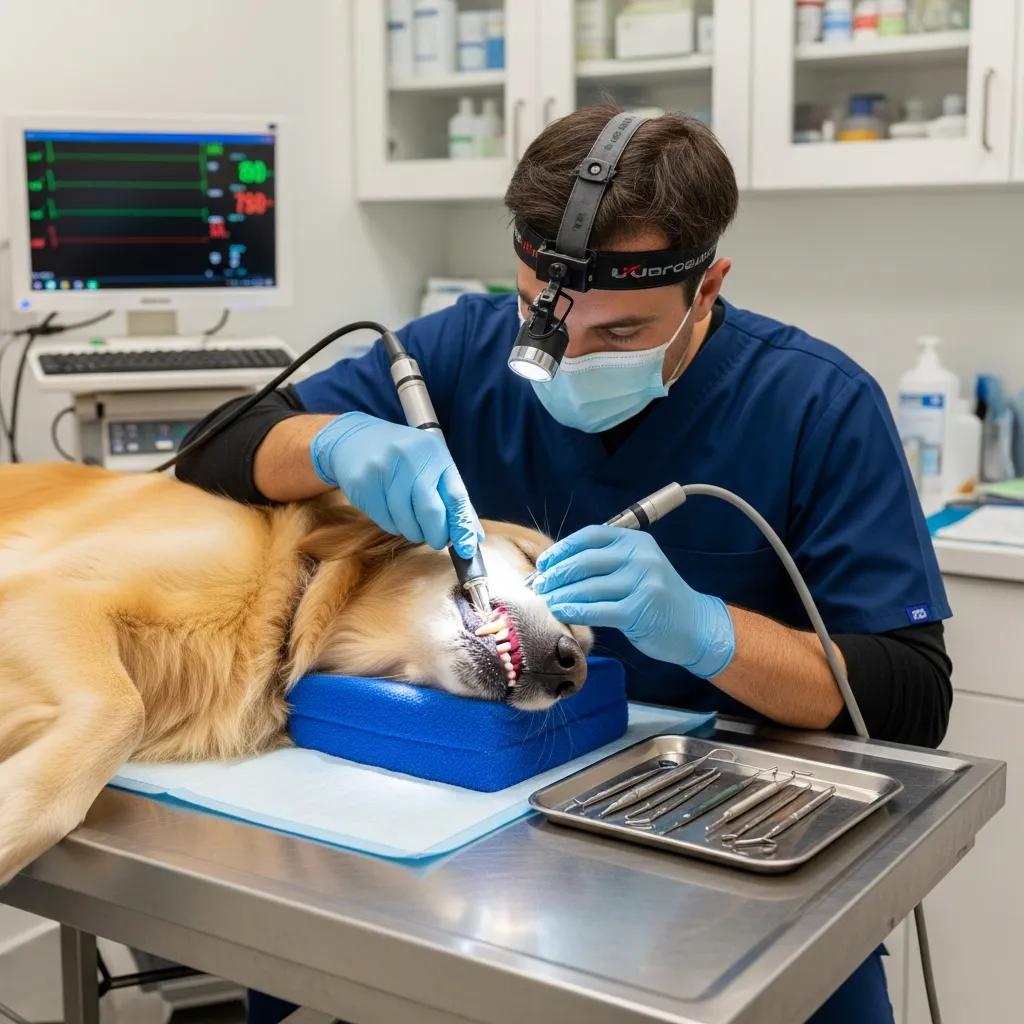
Professional pet dental cleaning is vital for preventing oral diseases and ensuring your pet’s long-term health. Regular cleanings help remove plaque and tartar buildup, which can lead to serious health issues if left untreated. By investing in professional dental care, pet owners can improve their pets’ longevity and overall well-being. Moreover, early detection of dental issues during these cleanings can save both time and money in the long run. Pine Animal Hospital emphasizes the importance of routine dental check-ups to maintain optimal oral health for pets in Long Beach.
How Does Dental Cleaning Prevent Oral Diseases in Dogs and Cats?
Dental cleaning plays a crucial role in preventing oral diseases in pets. It effectively removes plaque and tartar, which are the primary culprits behind gum disease and other oral health issues. By reducing inflammation in the gums, dental cleanings help prevent bacteria from entering the bloodstream, which can lead to systemic health problems. Regular dental care not only protects your pet’s mouth but also supports their overall health, making it an essential part of their routine veterinary care.
Further emphasizing the critical role of professional care, research highlights the prevalence and mechanisms of periodontal disease in pets.
Understanding & Preventing Pet Periodontal Disease
Periodontitis is the most prevalent inflammatory dental disease caused by a lack of oral hygiene measures in domestic animals. The periodontal disease complex arises as a result of bacterial biofilm deposition termed as plaque on the tooth surface. Lack of cleaning measures either mechanical or chemical credit for the condition. The present study was conducted to screen the animals for the presence of plaque deposition, gingivitis, along with various control measures for the same.
Effect of age on dental plaque deposition and its control by ultrasonic scaling, dental hygiene chew, and chlorhexidine (0.2% w/v) in dogs, M Das, 2019
What Are the Risks of Neglecting Pet Oral Hygiene?
Neglecting your pet’s oral hygiene can lead to several serious health risks, including:
- Chronic Inflammation: Poor dental care can cause persistent gum inflammation, leading to pain and discomfort.
- Periodontal Disease: This common condition can result in tooth loss and severe infections if not addressed promptly.
- Systemic Infections: Bacteria from the mouth can enter the bloodstream, potentially affecting vital organs such as the heart and kidneys.
Understanding these risks highlights the importance of maintaining your pet’s dental health through regular professional cleanings and at-home care.
What Are the Signs of Dental Disease in Dogs and Cats?
Recognizing the signs of dental disease in your pets is crucial for timely intervention. Common indicators include:
- Persistent Bad Breath: Foul-smelling breath can be a sign of underlying dental issues.
- Visible Tartar Buildup: Accumulation of tartar on teeth is a clear indication of poor dental hygiene.
- Gums That Bleed: Healthy gums should not bleed; if they do, it may indicate gum disease.
Being vigilant about these signs can help you seek veterinary care before the condition worsens.
How to Recognize Early Symptoms of Periodontal Disease in Pets?
Early symptoms of periodontal disease can be subtle but are essential to catch early. Look for:
- Red or Swollen Gums: Healthy gums should be pink and firm; redness or swelling is a warning sign.
- Visible Tartar Buildup: Check for hard deposits on teeth, which indicate neglect.
- Difficulty Eating: If your pet is hesitant to chew or shows signs of pain while eating, it may be due to dental issues.
Recognizing these symptoms early can lead to more effective treatment and better outcomes for your pet.
When Should You Schedule a Veterinary Dental Exam?
Scheduling regular veterinary dental exams is essential for maintaining your pet’s oral health. It is recommended to have your pet examined at least once a year, but more frequent visits may be necessary for older pets or those with existing dental issues. Key factors to consider include:
- Age Considerations: Puppies and kittens should have their first dental check-up around six months of age.
- Signs of Dental Issues: If you notice any signs of dental disease, such as bad breath or difficulty eating, schedule an appointment immediately.
- Regular Check-Ups: Consistent dental exams help catch problems early and maintain your pet’s oral health.
How Does Pine Animal Hospital Provide Veterinary Dental Care in Long Beach?
Pine Animal Hospital offers comprehensive veterinary dental care tailored to the needs of pets in Long Beach. Their services include preventive dental care, diagnosis and treatment of oral diseases, and advanced dental procedures. The hospital utilizes state-of-the-art technology, including dental X-rays, to ensure accurate assessments and effective treatments. By prioritizing dental health, Pine Animal Hospital helps pet owners maintain their pets’ overall well-being.
What Professional Teeth Cleaning Procedures Are Offered?
At Pine Animal Hospital, several professional teeth cleaning procedures are available to ensure optimal dental health for pets:
- Ultrasonic Scaling: This procedure effectively removes plaque and tartar from teeth using high-frequency sound waves.
- Dental Extractions: In cases of severe dental disease, extractions may be necessary to prevent further complications.
- Fluoride Treatment: This treatment helps strengthen teeth and reduce the risk of cavities.
These procedures are designed to provide thorough dental care and improve your pet’s oral health.
Comprehensive Veterinary Dental Care at Pine Animal Hospital
Veterinary dentistry at Pine Animal Hospital plays a significant role in supporting overall pet health. By preventing systemic health issues through regular dental care, pets can enjoy a better quality of life. Dental health is closely linked to the immune system, and maintaining good oral hygiene can enhance your pet’s overall health. Additionally, addressing dental issues early can prevent complications that may arise from untreated conditions.
What Are the Best Home Dental Care Tips for Dogs and Cats?

Home dental care is essential for maintaining your pet’s oral health between veterinary visits. Here are some effective tips:
- Brushing Teeth: Regular brushing with pet-safe toothpaste can significantly reduce plaque buildup.
- Dental Chews: Providing dental chews can help clean teeth and freshen breath.
- Water Additives: Adding dental water additives to your pet’s drinking water can help reduce bacteria and plaque.
Incorporating these practices into your pet’s routine can enhance their dental health and prevent future issues.
The effectiveness of these home care strategies is well-supported by veterinary research, underscoring their importance in preventing periodontal disease.
Essential Homecare for Pet Periodontal Disease Prevention
Successful treatment and prevention of periodontal disease in pet animals requires a dental homecare program. Over the years, marry thempeutic and preventive intervenfions have been developed to help pet owners maintain their pets’ oral health.
Evidence-based veterinary dentistry: a systematic review of homecare for prevention of periodontal disease in dogs and cats, 2005
Which Pet Oral Hygiene Practices Are Recommended by Veterinarians?
Veterinarians recommend several key practices for maintaining your pet’s oral hygiene:
- Tooth Brushing: Daily brushing is the most effective way to prevent dental disease.
- Dental Chews and Toys: These can help mechanically clean teeth and stimulate gums.
- Professional Cleanings: Regular veterinary cleanings are essential for thorough dental care.
By following these recommendations, pet owners can significantly improve their pets’ oral health.
How to Safely Use Dental Products for Pets at Home?
Using dental products safely is crucial for your pet’s health. Here are some guidelines:
- Brushing Techniques: Use a soft-bristled toothbrush designed for pets and introduce brushing gradually to avoid stress.
- Monitoring Oral Health: Regularly check your pet’s mouth for signs of dental disease, such as bad breath or swollen gums.
- Positive Reinforcement: Reward your pet with treats or praise after dental care sessions to create a positive association.
These practices can help ensure that at-home dental care is effective and stress-free for your pet.
How Often Should Dogs and Cats Receive Professional Dental Cleanings?
The frequency of professional dental cleanings varies based on individual needs. Generally, it is recommended that dogs and cats receive professional cleanings at least once a year. However, some pets may require more frequent cleanings based on their dental health, age, and risk factors. Regular assessments by your veterinarian can help determine the appropriate schedule for your pet.
What Do AVMA and AAHA Guidelines Recommend for Dental Cleaning Frequency?
The American Veterinary Medical Association (AVMA) and the American Animal Hospital Association (AAHA) recommend that pets receive annual dental exams and cleanings. These guidelines emphasize the importance of regular dental care in preventing oral diseases and maintaining overall health. Additionally, pets with specific health concerns or older pets may require more frequent evaluations to ensure their dental health is adequately managed.
How Does Pet Age and Health Affect Dental Care Scheduling?
Pet age and health significantly influence dental care scheduling. Younger pets typically require less frequent dental care, while older pets may need more regular assessments due to increased risk of dental disease. Health conditions, such as diabetes or heart disease, can also impact dental health, necessitating more frequent veterinary visits. It is essential to work with your veterinarian to develop a tailored dental care plan based on your pet’s specific needs.
What Are the Costs and Value of Professional Pet Teeth Cleaning in Long Beach?
The costs of professional pet teeth cleaning in Long Beach can vary based on several factors, including the complexity of the procedure and the specific services provided. On average, pet dental cleanings can range from $200 to $500. While this may seem like a significant investment, the value of professional dental care is evident in the long-term health benefits it provides. Preventing dental disease can save pet owners from costly treatments and improve their pets’ quality of life.
What Factors Influence Pricing for Dog and Cat Dental Services?
Several factors can influence the pricing of dog and cat dental services, including:
- Stage of Dental Disease: More advanced dental issues may require additional treatments, increasing costs.
- Diagnostic Imaging Costs: X-rays and other diagnostic tools can add to the overall expense.
- Postoperative Care: Follow-up care and medications may also contribute to the total cost.
Understanding these factors can help pet owners make informed decisions about their pets’ dental care.
Are There Financing or Promotional Options Available at Pine Animal Hospital?
Pine Animal Hospital offers various financing and promotional options to help pet owners manage the costs of dental care. These options may include payment plans, third-party financing, and membership plans that provide discounts on services. By exploring these options, pet owners can ensure their pets receive the necessary dental care without financial strain.
What Post-Cleaning Care Should Pet Owners Follow?
After a professional dental cleaning, pet owners should follow specific care guidelines to ensure their pets’ recovery:
- Follow Veterinarian’s Instructions: Adhere to any specific post-cleaning care instructions provided by your veterinarian.
- Monitor for Complications: Keep an eye out for any unusual behavior or signs of discomfort following the procedure.
- Limit Physical Activity: Restrict your pet’s activity for a short period to allow for proper recovery.
These steps can help ensure a smooth recovery process for your pet after dental procedures.
How to Manage Your Pet’s Recovery After Dental Procedures?
Managing your pet’s recovery after dental procedures is essential for their well-being. Key considerations include:
- Pain Management: Administer any prescribed pain relief medications as directed by your veterinarian.
- Diet Considerations: Offer soft food for the first few days post-procedure to avoid discomfort.
- Monitoring Recovery: Observe your pet for any signs of complications, such as excessive bleeding or difficulty eating.
By following these guidelines, pet owners can help their pets recover comfortably and effectively.
When to Contact Your Veterinarian for Post-Cleaning Concerns?
It is important to know when to contact your veterinarian after a dental cleaning. Reach out if you notice:
- Persistent Bad Breath: This could indicate an underlying issue that needs attention.
- Changes in Chewing Habits: If your pet is reluctant to eat or shows signs of pain while chewing, consult your veterinarian.
- Facial Swelling: Swelling around the mouth or face may signal complications that require immediate care.
Being proactive about your pet’s health can help prevent more serious issues from developing.
How Can Pet Dental Care Impact Overall Systemic Health?
Pet dental care has a significant impact on overall systemic health. Poor oral hygiene can lead to chronic inflammation and bacterial infections that affect vital organs. Regular dental cleanings help prevent these issues, supporting your pet’s immune system and overall health. By prioritizing dental care, pet owners can enhance their pets’ quality of life and longevity.
What Is the Link Between Oral Health and Systemic Diseases in Pets?
There is a well-established link between oral health and systemic diseases in pets. Bacteria from periodontal disease can enter the bloodstream, leading to infections in the heart, liver, and kidneys. This connection underscores the importance of maintaining good dental hygiene to prevent serious health complications. Regular veterinary dental care is essential for protecting your pet’s overall health.
How Does Regular Dental Care Improve Longevity and Quality of Life?
Regular dental care significantly improves both longevity and quality of life for pets. By preventing dental disease, pet owners can reduce the risk of systemic infections and other health issues. Additionally, maintaining good oral health contributes to better nutrition, as pets are more likely to eat comfortably without dental pain. Overall, investing in dental care is a crucial aspect of responsible pet ownership that pays off in the long run.
To ensure your pet receives comprehensive care, consider scheduling wellness exams at Pine Animal Hospital. These exams can help detect early signs of health issues and ensure your pet remains healthy.
In addition to dental care, Pine Animal Hospital also provides vaccinations to protect your pets from various diseases. Keeping your pet up-to-date on their shots is crucial for their long-term health.
For those seeking alternative treatments, Pine Animal Hospital offers integrative holistic care options. These services can complement traditional veterinary medicine and provide a more comprehensive approach to your pet’s health.