Urgent Care for Pets: Emergency Vet Long Beach CA Insights
Explore Long Beach Vets Today
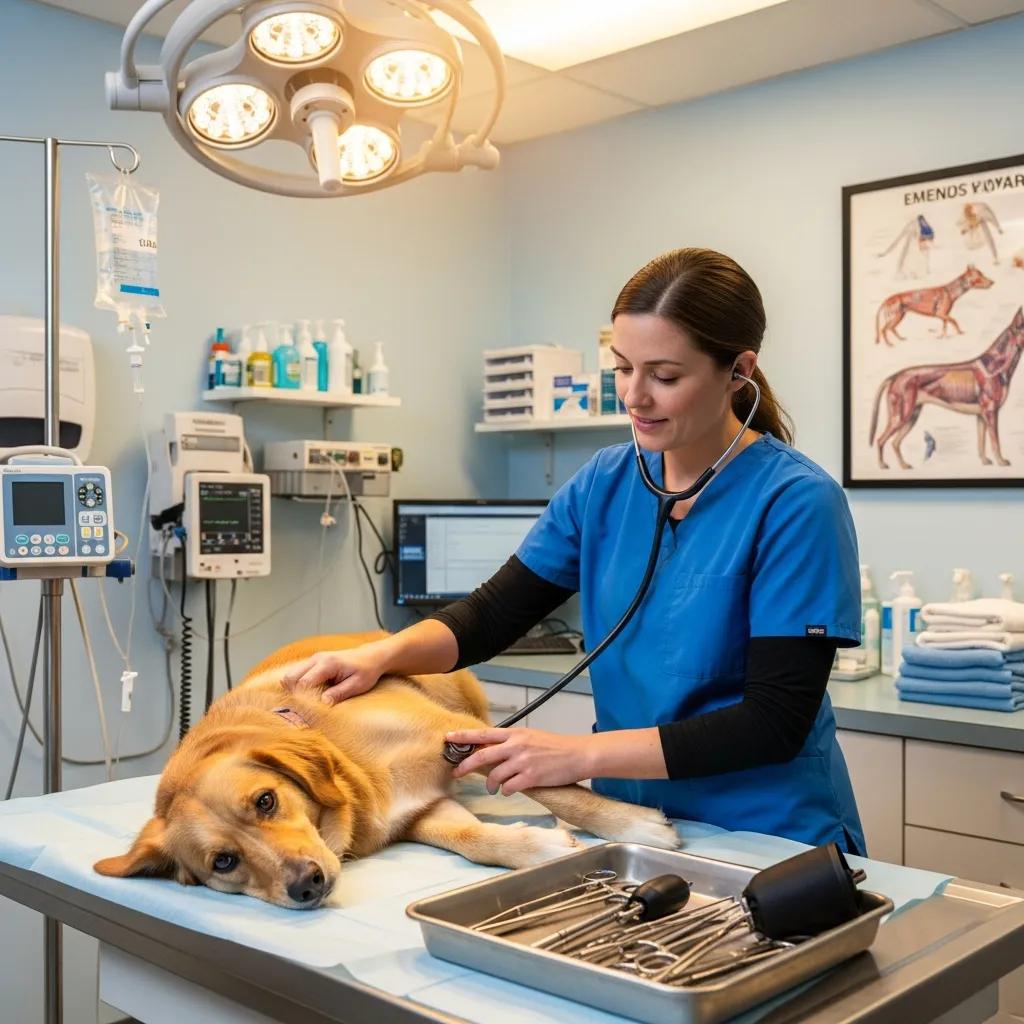
When your pet experiences a medical emergency, knowing where to turn for help is crucial. Emergency veterinary services provide immediate care for pets facing urgent health issues, ensuring they receive the necessary treatment to stabilize their condition. In Long Beach, CA, Pine Animal Hospital stands out as a reliable provider of emergency care, addressing a range of urgent medical needs for pets. This article will guide you through understanding what constitutes a pet emergency, how to find an emergency vet nearby, and the specific services offered by Pine Animal Hospital. By the end, you’ll be equipped with the knowledge to act swiftly in a crisis, ensuring your furry friend gets the care they need.
What Qualifies as a Pet Emergency?
A pet emergency is any situation that poses an immediate threat to your pet’s health or well-being. Common examples include severe injuries, difficulty breathing, seizures, or ingestion of toxic substances. Recognizing these signs early can be life-saving. For instance, if your pet is bleeding profusely or has a broken bone, these situations require urgent veterinary attention. Understanding the types of emergencies can help you act quickly and effectively.
Signs of a Pet Emergency
Identifying the signs of a pet emergency is essential for timely intervention. Here are some critical indicators:
- Severe Bleeding: If your pet is bleeding heavily, it may indicate a serious injury that requires immediate care.
- Difficulty Breathing: Struggling to breathe can signal a respiratory issue or an allergic reaction.
- Unconsciousness or Seizures: These symptoms can indicate severe neurological problems that need urgent evaluation.
- Ingestion of Toxic Substances: If you suspect your pet has ingested something harmful, such as chocolate or certain plants, seek help immediately.
Recognizing these signs can help you determine when to seek emergency care for your pet.
Common Pet Emergencies
Pet emergencies can vary widely, but some of the most common include:
- Trauma: Injuries from accidents, falls, or fights with other animals.
- Poisoning: Ingestion of toxic foods, chemicals, or medications.
- Heatstroke: Overheating, especially in hot weather, can be life-threatening.
- Bloat: A serious condition where the stomach fills with gas and twists, requiring immediate surgery.
Understanding these emergencies can prepare you to respond effectively when they arise.
How to Find an Emergency Vet Near Me?
Finding an emergency vet quickly can make a significant difference in your pet’s outcome. Here are some steps to locate the nearest emergency veterinary services:
- Search Online: Use search engines to find “emergency vet Long Beach CA” to get a list of nearby facilities.
- Ask for Recommendations: Consult your regular veterinarian or local pet owners for trusted emergency clinics.
- Check Reviews: Look for online reviews and ratings to gauge the quality of care provided by local emergency vets.
- Visit Websites: Many veterinary clinics have websites that detail their emergency services, hours, and contact information.
By following these steps, you can ensure that you have access to emergency veterinary care when needed.
Emergency Veterinary Services Offered
Pine Animal Hospital is a full-service veterinary provider in Long Beach, specializing in emergency care among other pet health solutions. Their emergency care service is designed to address urgent medical needs for pets, ensuring they receive timely and effective treatment.
Types of Emergency Services
Pine Animal Hospital offers a range of emergency services, including:
- Critical Care: Immediate assessment and treatment for life-threatening conditions.
- Surgery: Emergency surgical procedures for injuries or acute medical issues.
- Diagnostics: Rapid diagnostic services, including X-rays and blood tests, to determine the cause of your pet’s condition.
- Stabilization: Initial stabilization of pets in critical condition to prepare them for further treatment.
During the critical initial stabilization phase, involving the client can be beneficial for both the pet and the owner, though practical considerations like patient load must be taken into account.
Pet Emergency Stabilization & Client Involvement
client present during the initial stabilization will be beneficial to both the pet and the client. This allows the client to be involved in the care of their pet and to ask questions. However, we must also consider the current patient load, emergencies or procedures being performed. We may also advise no visitations if pet safety or patient care is compromised.
Emergency Receiving, 2025
These services are crucial for ensuring that pets receive the care they need in emergencies.
Implementing standardized diagnostic tests and treatment protocols is essential for veterinary teams to deliver consistent and high-quality care in emergency and critical situations.
Emergency Pet Treatment Protocols & Diagnostics
on Section 1, Emergency Diagnostic and Therapeutic Treatment. The information provided in this section is intended to provide diagnostic and treatment recommendations for emergency and critical care patients. The use of standardized diagnostic tests and treatment protocols improves the veterinary team’s ability to provide consistent, high-quality care.
Kirk & Bistner’s handbook of veterinary procedures and emergency treatment, 2011
Preparing for a Pet Emergency
Being prepared for a pet emergency can significantly reduce stress and improve response times. Here are some tips to help you get ready:
- Know Your Vet’s Contact Information: Keep your emergency vet’s phone number and address easily accessible.
- Create a Pet First Aid Kit: Include essential items like bandages, antiseptics, and any medications your pet may need.
- Have a Transportation Plan: Ensure you have a reliable way to transport your pet to the vet in case of an emergency.
- Stay Informed: Educate yourself about common pet emergencies and how to respond to them.
Preparation can make a significant difference in how effectively you can respond to a pet emergency.
What to Include in a Pet First Aid Kit
A well-stocked pet first aid kit can be invaluable in emergencies. Here are essential items to include:
- Bandages: For covering wounds and controlling bleeding.
- Antiseptic Wipes: To clean wounds and prevent infection.
- Tweezers: For removing splinters or ticks.
- Gauze Pads: For larger wounds that require more coverage.
- Emergency Contact List: Include your vet’s contact information and any emergency clinics.
Having these items on hand can help you provide immediate care to your pet before reaching the vet.
Prioritizing Emergency Care at Pine Animal Hospital
In summary, understanding what constitutes a pet emergency and knowing how to respond can save your pet’s life. Pine Animal Hospital in Long Beach, CA, offers comprehensive 24-hour emergency care to address urgent medical needs. By recognizing the signs of an emergency, knowing how to find help, and preparing in advance, you can ensure that your furry friend receives the best possible care when it matters most.
To ensure your pet stays healthy, consider scheduling wellness exams. Regular check-ups can help detect potential health issues early.
Additionally, keeping your pet up-to-date on their vaccinations is crucial for preventing common and serious diseases. Consult with your veterinarian to determine the appropriate vaccination schedule for your pet.
For a more holistic approach to your pet’s health, explore integrative holistic care options. These therapies can complement traditional veterinary medicine.