Comprehensive Guide to Pet Vaccination Services in Long Beach for Dog and Cat Owners
By Dr. Steve Manyak, DVM
Pet vaccinations are a crucial aspect of responsible pet ownership, ensuring that dogs and cats are protected against various infectious diseases. In Long Beach, pet owners can access a range of vaccination services tailored to the specific needs of their pets. This guide will provide an in-depth look at the essential vaccines, vaccination schedules, and safety considerations for pet vaccinations in Long Beach. Understanding these elements is vital for maintaining your pet’s health and well-being. Throughout this article, we will explore the core and non-core vaccines, the recommended vaccination schedules for different age groups, and the services offered by Pine Animal Hospital, located at 900 Pine Ave, Long Beach, CA 90813.
Core and Non-Core Pet Vaccination Guide at Pine Animal Hospital
Vaccines are categorized into core and non-core vaccines, each serving a distinct purpose in protecting pet health. Core vaccines are essential for all pets, while non-core vaccines are recommended based on individual risk factors.
- Core Vaccines for Dogs: These include the rabies vaccine, distemper vaccine, and parvovirus vaccine, which are critical for preventing severe diseases that can be fatal.
- Core Vaccines for Cats: Essential vaccines for cats include the rabies vaccine, feline viral rhinotracheitis, calicivirus, and panleukopenia.
- Non-Core Vaccines: These vaccines, such as the Bordetella vaccine for dogs and the feline leukemia vaccine for cats, are recommended based on lifestyle and exposure risks.
Understanding the importance of these vaccines helps ensure that pets remain healthy and protected against preventable diseases.
Which Core Vaccines Should Dogs Receive?
Core vaccines are vital for all dogs, providing protection against serious and potentially life-threatening diseases. The following core vaccines are recommended for dogs:
- Rabies Vaccine: Required by law in many areas, this vaccine protects against rabies, a fatal viral disease.
- Distemper Vaccine: This vaccine protects against a highly contagious virus that affects the respiratory, gastrointestinal, and nervous systems.
- Parvovirus Vaccine: Essential for preventing parvovirus, which can cause severe gastrointestinal illness in dogs.
These vaccines are typically administered in a series during the puppy’s first year and require boosters throughout the dog’s life to maintain immunity.
Research further emphasizes the critical role of proper vaccination protocols in protecting dogs from highly fatal diseases like distemper and parvovirus.
Canine Distemper & Parvovirus Vaccine Efficacy
Canine Distemper Virus (CDV) and Canine Parvovirus (CPV) lead to infections with high mortality rates in dogs. These viruses affect unvaccinated dogs or dogs with incomplete vaccination protocols. Vaccination plays an important role in reducing death rates, preventing clinical cases and controlling the spread of virus However, the efficacy of vaccination might be affected by different factors including vaccine scheduling and the neutralization of the vaccine targets by maternal antibodies.
Evaluation of the humoral immune response induced by vaccination for canine distemper and parvovirus: a pilot study, E Cunha, 2018
What Non-Core Vaccines Are Recommended for Cats?
Non-core vaccines for cats are recommended based on individual risk factors, such as lifestyle and environment. Key non-core vaccines include:
- Feline Leukemia Vaccine: Recommended for cats that go outdoors or are at risk of exposure to infected cats.
- Bordetella Vaccine: This vaccine is beneficial for cats in multi-cat environments, such as shelters or boarding facilities.
- Chlamydia Vaccine: Recommended for cats at risk of exposure, particularly in multi-cat households.
Consulting with a veterinarian can help determine which non-core vaccines are appropriate for your cat based on their specific circumstances.
How Are Vaccination Schedules Structured for Different Pet Age Groups in California?
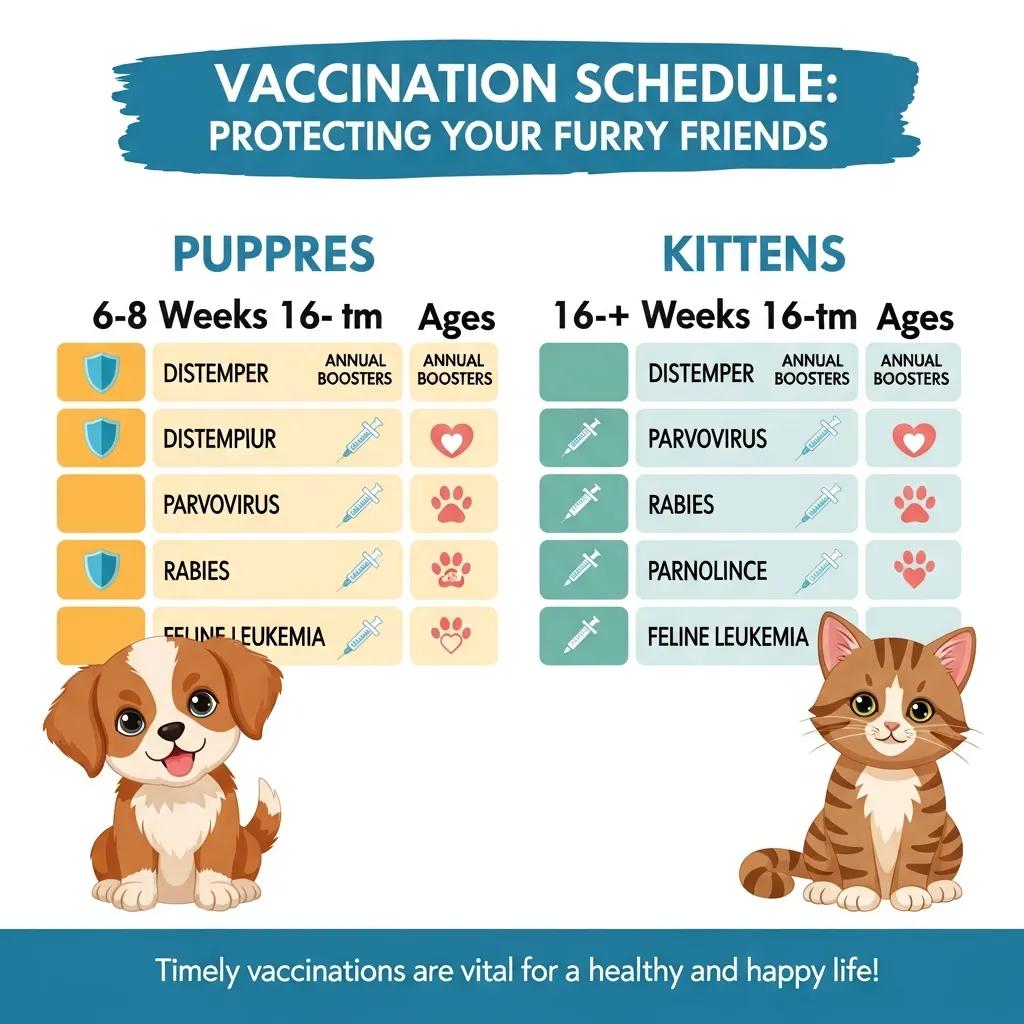
Vaccination schedules are structured to ensure that pets receive their vaccines at the appropriate times for optimal protection. In California, the following vaccination schedules are commonly recommended:
| Age Group | Recommended Vaccines | Schedule |
|---|---|---|
| Puppies (6-8 weeks) | Distemper, Parvovirus | Every 3-4 weeks until 16 weeks |
| Kittens (6-8 weeks) | FVRCP, Rabies | Every 3-4 weeks until 16 weeks |
| Adult Dogs | Core vaccines | Every 1-3 years, depending on the vaccine |
| Adult Cats | Core vaccines | Every 1-3 years, depending on the vaccine |
This structured approach ensures that pets receive their vaccinations at the right times to build immunity effectively.
What Is the Recommended Vaccine Schedule for Puppies and Kittens?
The recommended vaccine schedule for puppies and kittens is crucial for their health and development. For puppies, the vaccination schedule typically includes:
- First Vaccination: At 6-8 weeks, puppies receive their first distemper and parvovirus vaccines.
- Subsequent Vaccinations: Boosters are given every 3-4 weeks until they are 16 weeks old.
- Rabies Vaccine: Administered at 12-16 weeks, followed by boosters as required.
For kittens, the schedule is similar:
- First Vaccination: Kittens receive their first FVRCP and rabies vaccines at 6-8 weeks.
- Subsequent Vaccinations: Boosters are given every 3-4 weeks until they are 16 weeks old.
Following these schedules helps ensure that young pets develop strong immunity against common diseases.
How Often Should Adult Dogs and Cats Be Vaccinated?
Adult dogs and cats require regular vaccinations to maintain their immunity against diseases. The frequency of vaccinations depends on the type of vaccine administered:
- Core Vaccines: Most core vaccines require boosters every 1-3 years, depending on the specific vaccine and local regulations.
- Non-Core Vaccines: The frequency of non-core vaccines varies based on the pet’s lifestyle and risk factors. For example, the Bordetella vaccine may be required annually for dogs in boarding facilities.
Regular veterinary check-ups can help determine the appropriate vaccination schedule for adult pets.
What Are the Common Side Effects and Safety Considerations of Pet Vaccines?
Vaccines are generally safe, but like any medical intervention, they can have side effects. Common side effects include:
- Mild Reactions: These may include slight fever, lethargy, or soreness at the injection site, typically resolving within a day or two.
- Severe Reactions: Though rare, some pets may experience severe allergic reactions, requiring immediate veterinary attention.
Monitoring your pet after vaccination is essential, and any concerning symptoms should be reported to a veterinarian promptly.
Which Mild Side Effects Are Normal After Vaccination?
After vaccination, pets may exhibit mild side effects, which are generally not a cause for concern. Common mild side effects include:
- Lethargy: Pets may seem tired or less active for a day or two.
- Soreness: The injection site may be tender or swollen.
- Mild Fever: A slight increase in body temperature can occur.
These reactions are typically short-lived and indicate that the vaccine is working to stimulate the immune system.
How Does Pine Animal Hospital Ensure Vaccine Safety?
Pine Animal Hospital prioritizes vaccine safety through several measures:
- Personalized Vaccination Schedules: Each pet receives a tailored vaccination plan based on their health history and lifestyle.
- Adherence to Guidelines: The hospital follows the latest guidelines from the American Veterinary Medical Association (AVMA) and the American Animal Hospital Association (AAHA).
- Wellness Exams: Comprehensive wellness exams are conducted before vaccinations to ensure pets are healthy enough to receive vaccines.
These practices help ensure that vaccinations are administered safely and effectively.
What Local Laws and Vaccination Requirements Apply to Pets in Long Beach?
In Long Beach, local laws mandate certain vaccinations for pets, particularly the rabies vaccine. Key requirements include:
- Rabies Vaccination: All dogs and cats must be vaccinated against rabies by a certain age, typically around 4 months.
- Licensing: Pets must be licensed, and proof of rabies vaccination is often required for licensing.
Consulting with a veterinarian can provide clarity on local laws and ensure compliance.
What Are California’s Rabies Vaccine Mandates for Dogs and Cats?
California mandates that all dogs and cats receive the rabies vaccine by the age of 4 months. Key points include:
- Initial Vaccination: The first rabies vaccine must be administered by a licensed veterinarian.
- Booster Requirements: Dogs typically require a booster every 1-3 years, depending on the vaccine used.
These mandates are in place to protect public health and prevent the spread of rabies.
How Do Long Beach Animal Hospitals Comply with AVMA and AAHA Guidelines?
Long Beach animal hospitals, including Pine Animal Hospital, comply with AVMA and AAHA guidelines to ensure high standards of care. Compliance includes:
- Vaccination Protocols: Following established vaccination protocols to ensure pets receive appropriate vaccines at the right times.
- Continuing Education: Veterinarians participate in ongoing education to stay updated on the latest veterinary practices and guidelines.
- Quality Assurance: Regular assessments and quality control measures are implemented to maintain high standards of care.
These practices help ensure that pets receive safe and effective vaccinations.
Where Can You Find Affordable and Trusted Dog Vaccination Clinics in Long Beach?
Finding affordable and trusted vaccination clinics is essential for pet owners. In Long Beach, several options are available:
- Community Clinics: Many community clinics offer low-cost vaccination services for pets.
- Local Veterinary Practices: Many local veterinary practices offer vaccination packages that can help reduce costs.
Researching and comparing options can help pet owners find the best services for their pets.
What Services Does Pine Animal Hospital Offer for Pet Vaccinations?
Pine Animal Hospital offers a range of vaccination services tailored to meet the needs of dogs and cats. Key services include:
- Core and Non-Core Vaccinations: Comprehensive vaccination options for both core and non-core vaccines.
- Customized Vaccination Schedules: Tailored vaccination plans based on individual pet health and lifestyle.
- Wellness Exams: Routine wellness exams to ensure pets are healthy and ready for vaccinations.
These services help ensure that pets receive the necessary vaccinations for optimal health.
How to Access Affordable Pet Vaccines in Long Beach?
Accessing affordable pet vaccines in Long Beach can be achieved through various avenues:
Exploring these options can help pet owners find affordable vaccination services.
What Integrative and Holistic Care Options Support Pets After Vaccination?
Integrative and holistic care options can support pets after vaccination, enhancing their recovery and overall well-being. Key options include:
- Nutritional Support: Providing a balanced diet rich in vitamins and minerals to support immune function.
- Herbal Remedies: Certain herbal supplements may help reduce inflammation and support recovery.
- Acupuncture: This alternative therapy can help alleviate discomfort and promote healing.
These holistic approaches can complement traditional veterinary care and support pets’ health post-vaccination.
How Does Holistic Care Enhance Post-Vaccination Recovery?
Holistic care enhances post-vaccination recovery by addressing the whole pet, not just the symptoms. Benefits include:
- Comprehensive Support: Holistic care considers physical, emotional, and nutritional aspects of health.
- Reduced Side Effects: Integrative approaches can help minimize side effects and promote faster recovery.
- Enhanced Immune Function: Holistic practices can support the immune system, helping pets respond better to vaccinations.
These benefits highlight the importance of considering holistic care as part of a pet’s overall health strategy.
What Wellness Exams Complement Vaccination Services?
Wellness exams are an essential complement to vaccination services, providing a comprehensive assessment of a pet’s health. Key components include:
- Routine Health Checks: Regular exams help identify potential health issues early.
- Dental Health Assessments: Dental cleanings and assessments are crucial for overall health.
- Nutritional Counseling: Guidance on proper nutrition can enhance a pet’s health and recovery.
Incorporating wellness exams into vaccination schedules ensures that pets receive thorough care.
How to Prepare Your Pet for Vaccination and What to Expect During the Visit?
Preparing your pet for vaccination involves several steps to ensure a smooth experience. Key preparation tips include:
- Scheduling: Book an appointment at a time when your pet is calm and relaxed.
- Documentation: Bring any previous vaccination records to the appointment.
- Post-Visit Care: Be prepared to monitor your pet for any side effects after vaccination.
During the visit, expect a thorough examination and discussion of your pet’s health history before vaccinations are administered.
What Should Pet Owners Know Before Vaccination Appointments?
Before vaccination appointments, pet owners should be aware of several important factors:
- Vaccination Requirements: Understand which vaccines are necessary based on your pet’s age and lifestyle.
- Potential Side Effects: Be informed about common side effects and when to contact a veterinarian.
- Tracking Vaccination History: Keep a record of your pet’s vaccinations for future reference.
Being prepared can help ensure a positive experience for both pets and their owners.
What Happens During a Typical Vaccination Visit at Pine Animal Hospital?
During a typical vaccination visit at Pine Animal Hospital, several key steps are followed:
- Initial Intake Process: Pet owners provide information about their pet’s health history and any concerns.
- Wellness Examination: A veterinarian conducts a thorough examination to ensure the pet is healthy enough for vaccination.
- Post-Vaccination Monitoring: Pets are monitored for any immediate reactions after receiving their vaccines.
This structured approach ensures that pets receive safe and effective vaccinations.
What Are the Latest 2026 Vaccination Guidelines and Emerging Pet Disease Risks in Long Beach?
The latest vaccination guidelines for 2026 emphasize the importance of staying updated on emerging disease risks. Key points include:
- Updated Vaccination Protocols: Guidelines are regularly updated to reflect new research and emerging diseases.
- Emerging Disease Risks: Pet owners should be aware of new diseases that may pose risks to their pets, such as canine influenza and leptospirosis.
- Consulting with Veterinarians: Regular consultations with veterinarians can help pet owners stay informed about the latest guidelines and risks.
Staying informed is crucial for ensuring the health and safety of pets.
How Do AVMA and AAHA 2026 Guidelines Affect Pet Vaccination?
The AVMA and AAHA guidelines for 2026 provide a framework for best practices in pet vaccination. Key impacts include:
- Standardized Protocols: These guidelines help standardize vaccination protocols across veterinary practices.
- Emphasis on Preventive Care: The guidelines highlight the importance of preventive care, including regular vaccinations.
- Ongoing Education: Veterinarians are encouraged to participate in continuing education to stay updated on the latest practices.
Following these guidelines helps ensure that pets receive the highest standard of care.
What Emerging Diseases Are Pet Owners in Long Beach Concerned About?
Pet owners in Long Beach should be aware of several emerging diseases that may pose risks to their pets. Key concerns include:
- Canine Influenza: A contagious respiratory disease affecting dogs, with potential outbreaks in crowded environments.
- Leptospirosis: A bacterial infection that can affect both dogs and humans, often transmitted through contaminated water.
- Tick-Borne Diseases: Increasingly prevalent in certain areas, these diseases can pose serious health risks to pets.
Staying informed about these emerging diseases can help pet owners take proactive measures to protect their pets.
To ensure your pet receives comprehensive care, consider scheduling wellness exams. These exams can help identify potential health issues early and ensure your pet is healthy enough to receive vaccines.
After vaccination, it’s important to support your pet’s recovery with integrative and holistic care options. These approaches can enhance their overall well-being and minimize any potential side effects.
Maintaining good dental health is also crucial for your pet’s overall well-being. Regular dental cleanings and assessments can prevent dental issues that can affect their overall health.
In case of an emergency, Pine Animal Hospital offers emergency care services to address urgent health concerns. Knowing where to go in an emergency can provide peace of mind.