
Trust Our Emergency Care for Urgent Veterinary Situations
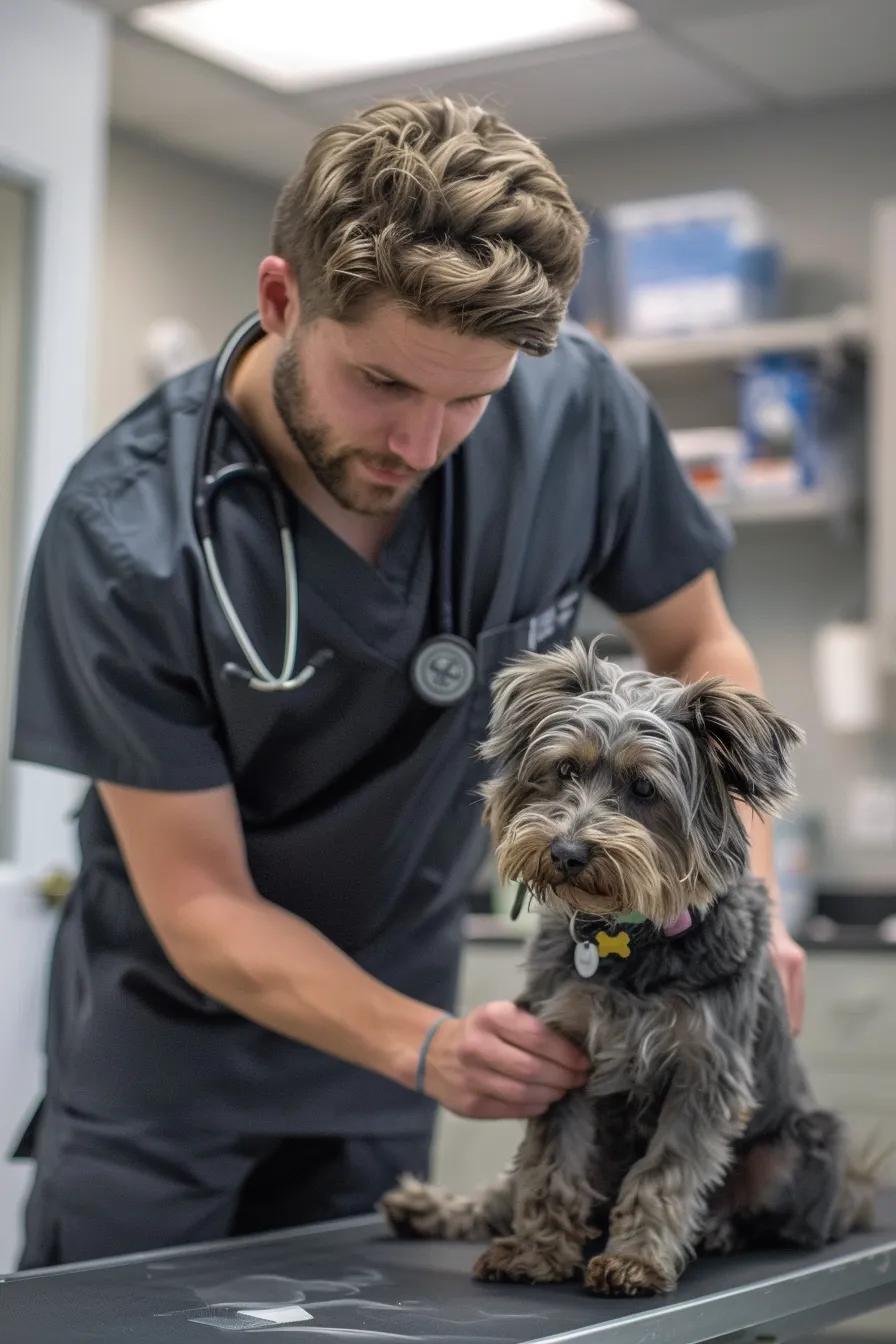
Emergency Veterinary Care in Long Beach — A Practical Guide to Urgent Pet Treatment and Warning Signs
Emergency veterinary care means immediate medical attention for pets with life‑threatening or time‑sensitive problems. Spotting trouble fast and getting your dog or cat to care quickly can make a big difference. This guide walks Long Beach pet owners through common emergencies, home triage steps, the difference between urgent and emergency care, and practical next steps when minutes matter. You’ll learn symptom cues for respiratory, neurologic, gastrointestinal, trauma, and poisoning emergencies, how teams typically diagnose and stabilize a patient, and how cost and membership benefits (including a local offering of “50 percent off emergency/urgent care exam”) can affect choices. We also summarize after‑hours options and how to prepare for a visit to Pine Animal Hospital so you and your pet are ready if an emergency happens.
What Are Common Pet Emergency Symptoms in Long Beach?
Emergency symptoms are signs that a pet’s condition is life‑threatening or getting worse quickly and usually need immediate triage and transport. Serious problems often reflect failure of a key organ system — trouble breathing, neurologic collapse, heavy bleeding, or toxic exposure — and knowing which system is affected helps you act fast. Early recognition lets veterinary teams begin airway support, fluids, or antidotes sooner, improving outcomes. Below we group urgent signs by body system and list short, practical actions you can take while arranging transport.
Remember: pets instinctively hide pain and illness, which makes careful observation and quick action all the more important.
Pet Emergency Triage: Recognizing Hidden Symptoms
Triage is an unavoidable part of emergency work. Through evolution, many pets mask early signs of serious disease, so subtle changes can still signal urgent problems.
The role of artificial intelligence in clinical imaging and workflows, 2022
Common emergency symptoms and immediate actions for Long Beach pet owners:
- Difficulty breathing or open‑mouth breathing in cats: Keep the pet calm, keep the airway clear, reduce stress, and get to veterinary care right away.
- Uncontrolled bleeding or very pale/blue gums: Apply gentle direct pressure to external wounds, keep your pet warm, and seek immediate help.
- Seizures or collapse: Protect the animal from injury, time the seizure, and transport urgently if seizures last several minutes or recur.
- Ingestion of toxins or unknown substances: Remove access to the source, save any packaging, and call your veterinarian or a pet poison control hotline while preparing to travel.
- Severe vomiting with weakness or inability to keep fluids down: Prevent dehydration, withhold food until advised, and get veterinary evaluation promptly.
This short list covers immediate steps. The table below links common symptoms to severity signs and clear actions to help you triage quickly.
Introductory triage table for common pet emergency symptoms:
| Symptom | Severity Indicator | Immediate Action |
|---|---|---|
| Labored breathing, open‑mouth breathing (cats), blue/pale gums | Severe respiratory distress or low oxygen | Keep pet calm, avoid restraining them, and prepare for immediate transport |
| Uncontrolled external bleeding | Rapid blood loss, weak pulse, pale gums | Apply direct pressure with a clean cloth and get to emergency care |
| Seizures or collapse | Prolonged (>2–3 min) or repeated seizures | Protect from injury, note timing, and seek emergency attention immediately |
| Suspected poisoning or ingestion | Vomiting, drooling, tremors, altered behavior | Remove hazards, collect packaging, call poison control or your vet, and transport |
| Trauma (hit by car, fall) | Visible deformity, inability to rise, active bleeding | Immobilize if possible, control bleeding, and transport for imaging and triage |
This table helps you describe severity clearly to a veterinary team. Next we explain species‑specific red flags for dogs and cats so you can tailor your response.
How to Recognize Critical Signs in Dogs and Cats

Dogs and cats show distress differently. Dogs tend to display obvious signs like heavy panting, collapse, or excessive drooling when in pain or shock. Cats often hide illness and may show subtle clues — poor grooming, hiding, faster breathing, or reduced activity. Respiratory distress in cats (open‑mouth breathing or a hunched posture) can worsen quickly; blue gums are a sign of low oxygen and need immediate attention. Neurologic signs — disorientation, circling, head tilt, or seizures — are serious in both species and can come from brain disease, toxins, or severe metabolic problems. Recognizing these red flags gets you from watching to acting and helps you give precise information during triage calls about whether to transport right away.
When Should You Seek Immediate Emergency Vet Care?
Deciding when to seek emergency care depends on how severe the signs are, how fast they’re getting worse, and how long it takes to reach a clinic. If a condition is life‑threatening or rapidly deteriorating, call ahead and head straight to emergency services. Seek immediate care for trouble breathing, uncontrolled bleeding, prolonged or repeated seizures, collapse, profound weakness, or suspected poisoning — these often need oxygen, IV fluids, or antidotes. For concerning but stable issues (mild vomiting, a single episode of non‑bloody diarrhea, a small laceration), a same‑day urgent appointment may be enough if you can monitor your pet closely. When in doubt, err on the side of evaluation — early intervention changes outcomes.
Quick decision tree for immediate action:
- Is the pet breathing normally and alert? If no, arrange emergency transport now.
- Is there heavy bleeding, collapse, or seizures? If yes, control immediate hazards and seek emergency care immediately.
- Is the pet stable with non‑life‑threatening symptoms? If yes, call your regular vet for same‑day urgent care guidance.
- Is poisoning suspected? If yes, bring samples/packaging and go for emergency evaluation.
This flow helps you prioritize fast action and leads into the difference between urgent and emergency care so you can pick the right option for your pet.
What Is the Difference Between Urgent Veterinary Care and Emergency Care?
Urgent care treats problems that need attention within hours but aren’t immediately life‑threatening. Emergency care treats acute, life‑threatening conditions that require immediate stabilizing treatment. The difference comes down to acuity and time sensitivity: emergency care focuses on stabilizing airway, breathing, circulation and neurologic function right away; urgent care focuses on fast diagnosis and treatment to prevent deterioration. Knowing the distinction helps you decide whether to seek a same‑day appointment or go straight to an emergency facility, which affects travel plans and expected timing for diagnostics and treatment.
Three key differences between urgent care and emergency care:
- Severity: Emergency care handles life‑threatening issues; urgent care handles non‑life‑threatening, time‑sensitive problems.
- Timing: Emergency care often requires immediate transfer and 24/7 resources; urgent care is usually handled within clinic hours or the same day.
- Examples: Emergency: respiratory collapse, uncontrolled hemorrhage, severe trauma. Urgent: minor lacerations needing stitches, persistent vomiting that hasn’t caused collapse.
That distinction should help you choose between emergency transport and scheduling an urgent clinic visit here in Long Beach.
Defining Urgent Care vs. Emergency Care for Pets
Use urgent care for issues that need same‑day attention but aren’t immediately life‑threatening. Use emergency care when immediate stabilization is required to save life or prevent permanent harm. The core difference is risk to vital functions — for example, prolonged inability to breathe or ongoing blood loss compromises oxygen delivery and needs emergency interventions like oxygen, IV fluids, or surgery. Phone triage with a trained clinician can clarify whether signs are emergent by asking focused questions about breathing, mentation, and circulation. Clear definitions help you communicate efficiently with providers and get your pet the right level of care without delay.
How to Decide Which Care Your Pet Needs in Long Beach
When deciding where to go in Long Beach, consider symptom severity, travel time to facilities, and whether after‑hours care is required — the farther you are from a 24/7 hospital, the more urgent it may be to start emergency transport. Call ahead and describe specific findings (gums, respiration, consciousness) so clinicians can advise whether to come now or wait for an urgent appointment. Have a carrier or blanket ready, plan safe transport, and bring recent medical history and current medications — these steps shorten triage time and improve the speed and accuracy of care on arrival.
How Does Pine Animal Hospital Provide Emergency Veterinary Care in Long Beach?
Pine Animal Hospital offers same‑day availability with a focus on fast triage, targeted diagnostics, and stabilization for urgent and emergent cases. We combine advanced diagnostic tools often found at specialty centers with general practice care to speed diagnosis and treatment. Typical workflow after arrival is: triage -> focused diagnostics (imaging, bloodwork) -> initial stabilization (fluids, pain control, oxygen) -> definitive treatment or referral for specialty surgery. Our goal is to shorten time‑to‑diagnosis locally. We also offer a wellness membership that includes a benefit noted locally as “50 percent off emergency/urgent care exam,” which can reduce the initial cost of presenting for evaluation.
Introduction to services and a quick comparison of common emergency services:
| Service | Diagnostics / Treatment | Availability / Notes |
|---|---|---|
| Triage & Emergency Exam | Rapid clinical assessment, vitals, stabilization | Same‑day availability; unstable patients are prioritized |
| Imaging (X‑ray, ultrasound) | Detect fractures, internal bleeding, foreign bodies | On‑site imaging for faster answers |
| In‑house Laboratory Tests | CBC, chemistry, electrolytes, clotting profiles | Rapid results to guide fluids and medications |
| Hospitalization & Fluid Therapy | IV fluids, monitoring, pain control | Short‑term observation and stabilization available |
This sets expectations for what to bring and what we can do immediately. Below we describe our advanced diagnostics and treatments so you know what to expect when you arrive.
Advanced Diagnostics and Critical Care Services Offered
We use digital X‑rays, abdominal ultrasound, point‑of‑care blood testing, and supportive therapies to stabilize and diagnose emergencies quickly. Imaging helps identify fractures, internal bleeding, or foreign bodies; in‑house bloodwork reveals metabolic causes of collapse, electrolyte imbalances, and organ dysfunction that need prompt correction. Our critical care services include IV fluids for shock, oxygen therapy for respiratory compromise, pain management, and short‑term hospitalization with monitoring. Bring any medical records, current medication lists, and packaging from ingested items when possible — that information directly affects diagnosis and treatment decisions.
Meet Dr. Steve Manyak: Expertise in Emergency Pet Care
Dr. Steve Manyak draws on a background in microbiology and human medical research to guide our diagnostic approach. That training sharpens lab interpretation and helps us select focused diagnostics that shorten time to the right therapy. In emergencies this translates to faster fluid plans, targeted antimicrobial choices when needed, or timely referral for surgery. Knowing our diagnostic approach can give owners confidence that emergency evaluations here prioritize accurate answers and practical treatment plans.
What Are the Costs and Wellness Plan Benefits for Emergency Vet Services?
Emergency costs reflect a combination of the exam, diagnostics, medications, treatments, and any hospitalization or surgery. Exam fees, imaging, lab tests, IV fluids, and surgery can all add to the total; case complexity drives both urgency and cost. To lower financial barriers and encourage prompt care, wellness memberships may reduce the immediate exam cost — locally noted as “50 percent off emergency/urgent care exam.” Understanding these components helps you plan financially and decide when to present your pet for evaluation or discuss payment options with the clinic.
Introductory cost‑component table explaining coverage and financial impact:
| Plan / Service | What It Covers | Financial Impact |
|---|---|---|
| Emergency/urgent exam | Initial triage and veterinary assessment | Membership: “50 percent off emergency/urgent care exam” applies to the exam fee |
| Diagnostics (imaging, lab tests) | X‑ray, ultrasound, point‑of‑care bloodwork | Costs vary by tests required; discounts may not apply to all diagnostics |
| Stabilization & hospitalization | IV fluids, monitoring, oxygen, short‑term stay | Expense depends on duration and intensity of care |
| Surgery & advanced interventions | Surgical repair, anesthesia, specialty supplies | Major cost driver; often a separate estimate is provided |
The table shows which elements drive bills and where membership savings apply. Below we explain cost drivers and how membership savings typically work in practice.
Understanding Emergency Vet Visit Costs in Long Beach
Costs depend on exam complexity, diagnostic needs, hospital stay length, and any surgery. Two pets with similar symptoms can require very different care — one may need fluids and observation, another surgery and intensive monitoring. Ask for an estimate when possible; many clinics will outline likely next steps and cost ranges rather than fixed prices because treatment adapts to findings. Preparing financial options and bringing a current medication list and medical history helps reduce delays during an emergency.
How Wellness Memberships Offer Savings on Emergency Exams
Wellness memberships lower the immediate cost of care by discounting exam fees and encouraging regular preventive care, which can reduce the chance of advanced emergencies. Locally, a membership benefit noted as “50 percent off emergency/urgent care exam” reduces the exam portion of a visit and can make it easier to bring your pet in quickly. Memberships usually do not cover all diagnostics or treatments, so check what is included and what will be billed separately. Even so, reducing the exam fee can change the decision to seek prompt evaluation — and when seconds count, that matters.
Where and When Can You Access 24-Hour Emergency Vet Services in Long Beach?
Availability of 24‑hour emergency care depends on local facilities and whether a case needs continuous monitoring or specialized surgery. Know your after‑hours options and call ahead where you can to shorten handoff time. If a pet is unstable (severe respiratory compromise, uncontrolled bleeding, or seizures), go to the nearest 24/7 hospital equipped for immediate stabilization and surgery. For less acute urgent problems outside normal hours, call clinics with after‑hours triage lines for guidance on whether to travel now or wait for morning appointments. Consider travel time when choosing a facility; longer drives may require emergency stabilization or choosing the best‑equipped center for the problem.
After-Hours and Weekend Emergency Care Options
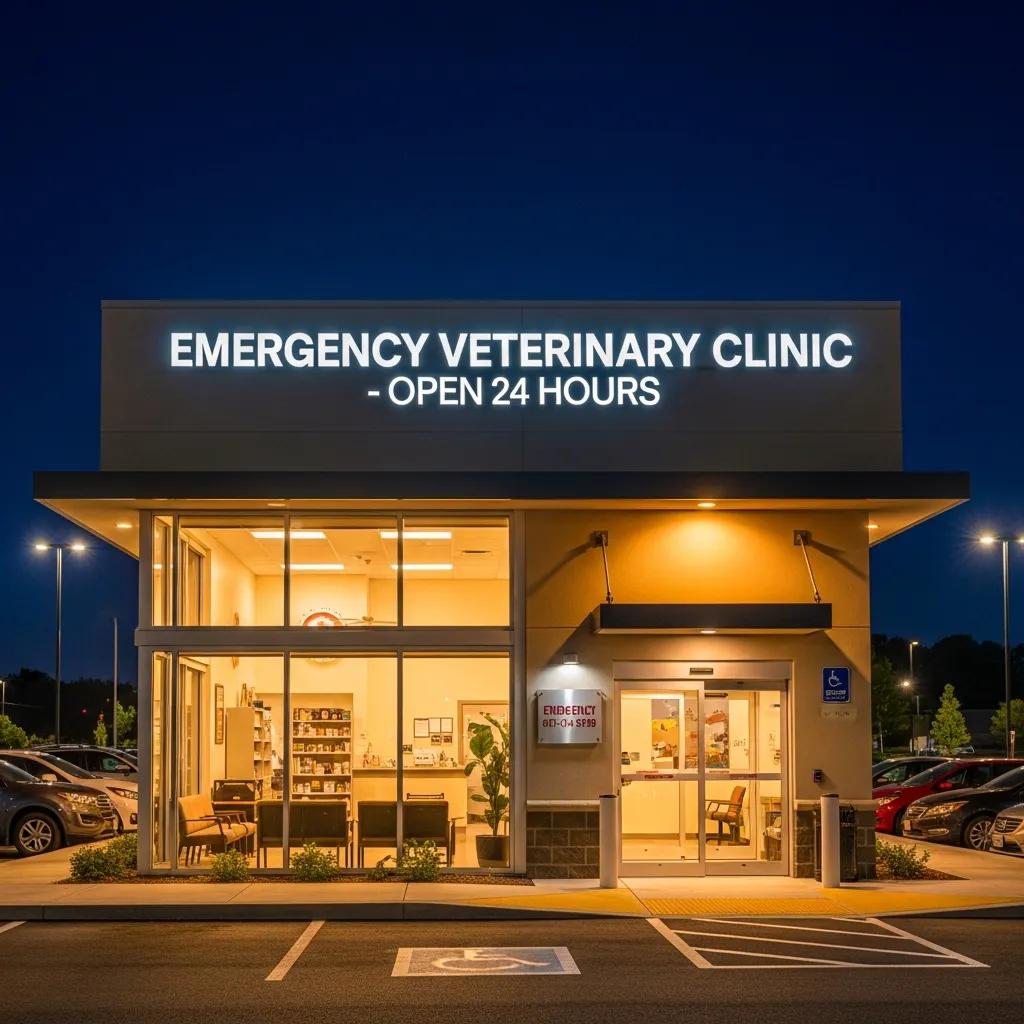
After‑hours options include dedicated 24/7 emergency hospitals and clinics that offer extended or on‑call services. If your pet is unstable — severe breathing trouble, uncontrolled hemorrhage, or ongoing seizures — proceed to the nearest 24/7 hospital that can stabilize and operate if needed. For urgent but stable concerns outside regular hours, contact clinics with after‑hours triage for advice on whether to come in now or wait for a scheduled urgent visit. When you call, describe specific signs (breathing pattern, gum color, consciousness level), be ready to follow basic first‑aid instructions, and bring any medications or samples that might help diagnosis.
Contact Information and Directions to Pine Animal Hospital
When you’re preparing to come to Pine Animal Hospital in Long Beach, gather your pet’s medical records, a list of current medications, and any packaging from ingested items — that information speeds diagnosis and treatment. Use public map services to find our location and estimated travel time; search for “Pine Animal Hospital Long Beach” in your preferred map app. Bring a secure carrier or leash, a blanket for stabilization, and an emergency contact who can help with decisions. These steps reduce triage time and help our team provide focused care when you arrive.
- Prepare records: Bring prior medical records and medication lists to speed triage.
- Secure transport: Use a carrier or blanket to stabilize and protect your pet during transit.
- Note travel time: Choose the closest facility that can handle the severity of the problem.
Following these practical steps helps minimize delays and makes handoff to veterinary staff more efficient, whether at Pine Animal Hospital or another emergency facility.
Frequently Asked Questions
What should I do if my pet is experiencing a medical emergency at night?
Stay as calm as you can and quickly assess the situation. For severe signs — trouble breathing, uncontrolled bleeding, or seizures — go to the nearest 24‑hour emergency hospital right away. For less severe concerns, call a clinic with after‑hours services for guidance. Have your pet’s medical records and any relevant information ready to share when you arrive.
How can I prepare my pet for an emergency vet visit?
Gather your pet’s medical records, vaccination history, and a list of current medications. Secure your pet in a carrier or on a leash, and bring a blanket for comfort and stabilization. Arrange an emergency contact who can help with decisions or transportation if needed. Being organized reduces stress and speeds care.
What are the signs that my pet may need urgent care instead of emergency care?
Signs that suggest urgent (same‑day) rather than emergency care include mild vomiting, a single episode of non‑bloody diarrhea, or small lacerations without heavy bleeding. These problems need prompt attention but aren’t immediately life‑threatening. If your pet is stable, call your regular veterinarian for same‑day guidance.
How can I recognize if my pet is in pain or distress?
Pets often hide pain, so watch for changes: excessive panting, whining, restlessness, hiding, aggression, limping, reluctance to move, or a drop in appetite. If these signs persist or worsen, seek veterinary assessment — better to check early than wait for deterioration.
What should I expect during an emergency vet visit?
Expect rapid triage on arrival: staff will check vital signs, perform a focused exam, and often run diagnostics like bloodwork or imaging. The immediate goal is stabilization and to form a treatment plan. Be ready to describe your pet’s history and the events leading up to the emergency.
Are there any financial assistance options for emergency vet care?
Many clinics offer wellness memberships, payment plans, or financing options. Locally, some memberships include discounts such as “50 percent off emergency/urgent care exam,” which lowers the exam portion of the visit. Ask your clinic about available plans and what the membership covers versus what remains billed separately.
Conclusion
Knowing how to spot emergency signs and when to act can make a real difference for your pet. Quick recognition, clear communication during triage, and prompt transport to the right facility give your pet the best chance for a positive outcome. Use this guide to prepare, and visit Pine Animal Hospital’s website to learn more about our services and how we support pets and families in Long Beach when it matters most.