Why Veterinary Wellness Exams Matter for Your Pet’s Health
Why Preventive Pet Care Matters — Wellness Exams, Vaccines, and Plans at Pine Animal Hospital (Long Beach)
Preventive pet care is about staying one step ahead of illness — protecting dogs and cats through routine wellness visits, vaccinations, diagnostics, parasite control, and dental care. When we focus on prevention instead of crisis care, pets stay happier and healthier for longer, and owners avoid many sudden, costly emergencies. This guide walks through how preventive care works, what we check during a complete wellness exam, vaccine timing for pets in Long Beach, parasite prevention strategies, and why dental health matters. At Pine Animal Hospital we deliver thorough, compassionate care tailored to each pet. Read on for clear checklists, evidence-based explanations, and details on membership options that make staying current with preventive care simple and affordable.
Why Preventive Pet Care Is Essential for Your Dog or Cat
Preventive care means monitoring and protecting your pet before serious problems appear. By combining regular exams, vaccinations, targeted diagnostics, and owner education, we reduce risk and catch disease early. That leads to better treatment outcomes, fewer emergencies, and longer, healthier lives for pets. Preventive care also makes budgeting easier by avoiding large, unexpected bills and promoting steady, predictable maintenance.
Key benefits of preventive care include:
- Fewer advanced illnesses because issues are found and treated early.
- Lower lifetime medical costs by avoiding emergency surgeries and long hospital stays.
- Better day-to-day comfort and mobility through pain control and chronic disease management.
- Community protection by reducing disease spread with vaccination and parasite control.
These benefits come from core actions — early diagnostics, vaccines, parasite prevention, and good dental care — that together form an effective, actionable plan.
How Preventive Care Helps Pets Live Longer, Healthier Lives
Preventive care extends and improves life by identifying health concerns before they become emergencies. Routine monitoring flags subtle changes in weight, appetite, activity, and lab results so we can intervene sooner. Vaccines lower the chance of severe infectious disease, and parasite prevention limits hidden burdens that slowly harm organs. Regular wellness exams and targeted tests are the backbone of healthy aging for pets.
When we create a baseline for every pet, future changes are easier to spot, letting us tailor screening and treatment to each animal. That evidence-based approach reduces sudden, expensive emergencies and supports steady management of chronic conditions. Next, we break down what happens during a comprehensive wellness exam.
How Preventive Care Can Save You Money
Keeping up with preventive services often costs less over a pet’s lifetime than repairing advanced disease. A basic wellness exam can catch infections, metabolic problems, or dental disease early — issues that, if ignored, may require hospitalization and much higher bills. Many clinics offer lower-cost first exams (for example, a Complete Wellness Exam commonly promoted around $40 for new clients) to help you get started with routine care. Pairing regular visits with preventive medications usually reduces total spending compared with episodic, emergency-driven care.
Memberships and preventive plans add budget predictability by turning unpredictable expenses into manageable monthly payments. That encourages timely visits at the first sign of trouble and reduces downstream costs. With the financial case clear, here’s what we examine during a wellness visit.
What a Comprehensive Veterinary Wellness Exam Covers
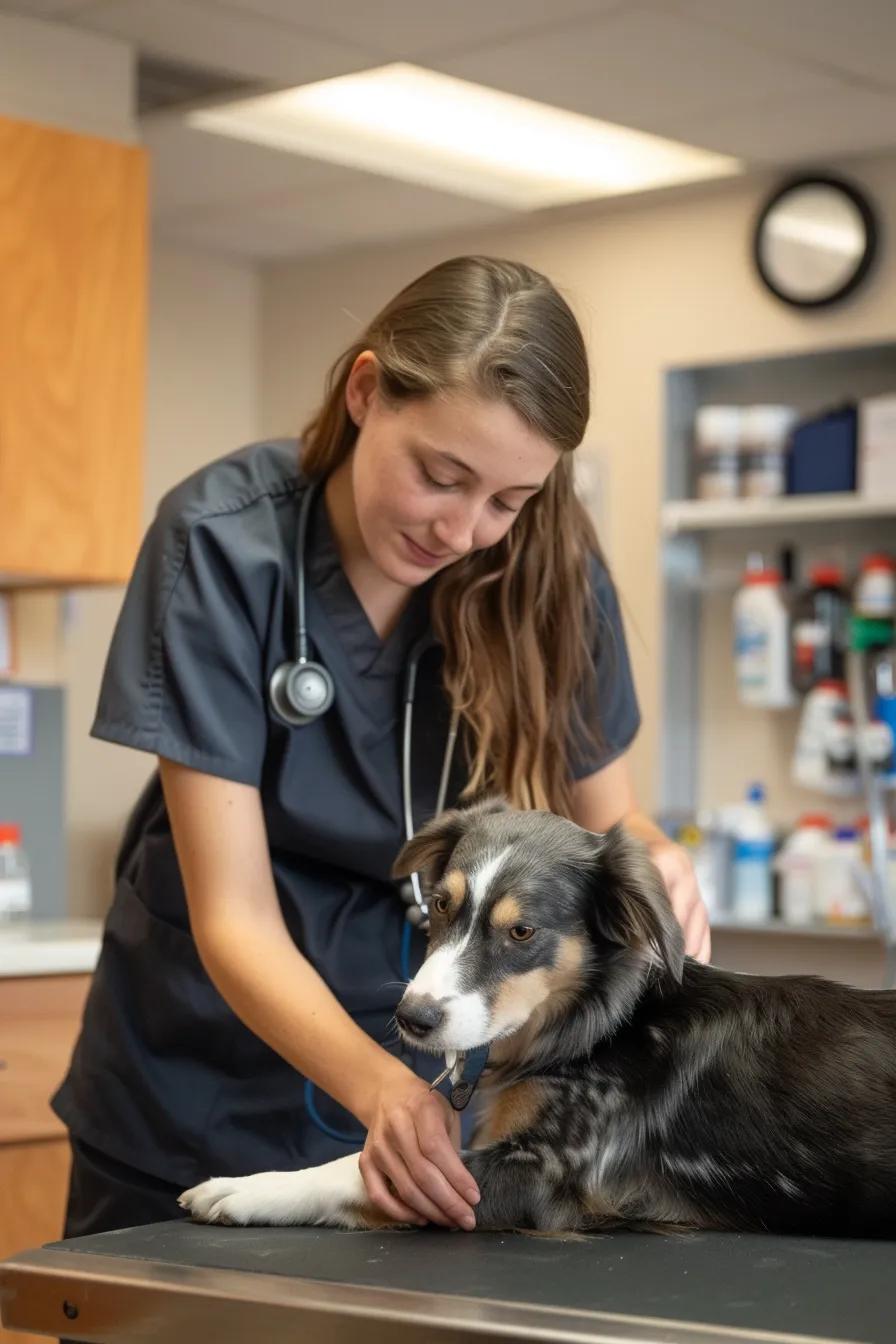
A comprehensive wellness exam evaluates your pet from nose to tail. The visit combines a physical exam with age-appropriate diagnostics, a dental check, vaccine and parasite review, and practical guidance on nutrition and behavior. The goal is to spot early signs of disease, establish health baselines, and make a clear plan for prevention and treatment. Exams differ by life stage and risk factors, and adding basic diagnostics increases our chance of catching problems early. Below is a quick checklist of common components and why they matter.
Typical wellness exam components:
- Complete physical exam with vital signs and body condition score to detect issues owners may not see.
- Oral exam to spot tartar, gum disease, or growths that affect overall health.
- Vaccine and parasite review to confirm protection against local threats.
- Age-based diagnostics like bloodwork, urinalysis, and fecal testing to screen for metabolic or infectious disease.
- Owner counseling on nutrition, behavior, activity, and at-home monitoring.
This checklist helps us decide which tests and visit frequency are best for puppies, adults, and seniors.
Intro to table: The table below summarizes common wellness exam elements and the typical recommendations by life stage so you know what to expect and why each part matters.
| Exam Component | Purpose | Typical Recommendation by Life Stage |
|---|---|---|
| Physical exam & vitals | Spot early illness and assess overall condition | Every visit for puppies; adults yearly; seniors 2–3×/year |
| Dental inspection | Find periodontal disease and oral growths | Begin in puppy/kitten visits; professional cleaning as needed |
| Bloodwork (CBC/Chemistry) | Check organ function, metabolic disease, infection | Baseline for adults; annual for seniors or at-risk pets |
| Urinalysis | Detect kidney disease, diabetes, urinary infection | Annual for adults; more frequent for seniors |
| Fecal test | Screen for intestinal parasites | At first visit for young pets; at least yearly for adults |
That comparison shows how exam components build a strong preventive plan. Next we’ll explain how visits change at different life stages.
How We Tailor Wellness Exams for Puppies, Adult Pets, and Seniors
Life stage determines priorities. Puppies and kittens need focused vaccination schedules, parasite checks, and early nutrition and socialization guidance. Adult pets get annual checkups and baseline diagnostics. Seniors require more frequent monitoring for conditions like kidney disease, arthritis, and endocrine disorders. We customize frequency and tests based on clinical judgment and lifestyle — for example, an indoor-outdoor cat may need FeLV screening while an indoor-only cat may not. Establishing a personalized plan on the first visit creates clear baselines and follow-up intervals that improve early detection.
The next section covers the diagnostics we commonly use to catch disease early.
Diagnostic Tests That Help Catch Problems Early
Common diagnostics used in wellness exams include bloodwork (CBC and chemistry), urinalysis, fecal tests, and — when needed — imaging such as X-rays or ultrasound. Bloodwork can reveal organ dysfunction, anemia, and inflammation before symptoms appear. Urinalysis detects kidney problems, diabetes, and infections. Fecal testing finds intestinal parasites, and imaging is used when physical findings suggest internal issues. Regular, age-appropriate screening increases the chance we’ll find treatable conditions early.
Recommended intervals vary: many clinicians suggest annual bloodwork for adult pets and twice-yearly or more for seniors. Fecal testing is done at initial visits and then periodically based on risk. These tests form the objective base of preventive medicine and keep pets healthier longer. Next, we’ll look at how vaccination schedules protect pets and the community.
How Vaccination Schedules Protect Dogs and Cats in Long Beach

Vaccines prime your pet’s immune system to prevent serious infectious diseases and reduce pathogen spread in the community — a big benefit in urban areas like Long Beach. Core vaccines protect against highly contagious or life-threatening illnesses and are recommended for nearly all pets. Non-core vaccines depend on lifestyle and local disease risk. Following the recommended series for young animals and boosters for adults builds reliable protection and lowers the chance of outbreaks. The table below summarizes core vaccines and typical timing so you can plan ahead.
Intro to table: This table lists common core vaccines, suggested ages or intervals, and the main purpose of each to make scheduling easier.
| Vaccine | Recommended Age / Interval | Purpose / Notes |
|---|---|---|
| DHPP (dogs) | Puppy series starting at 6–8 weeks; boosters every 3–4 weeks through 16 weeks; then 1-year booster and follow-up revaccination as advised | Protects against distemper, adenovirus, parvovirus, parainfluenza |
| Rabies (dogs & cats) | Initial vaccine per local law and label, then boosters as required (typically 1 or 3 years) | Prevents fatal rabies; usually required by law |
| FVRCP (cats) | Kitten series starting at 6–8 weeks with boosters every 3–4 weeks to 16 weeks; then booster schedule per clinician | Protects against feline viral rhinotracheitis, calicivirus, panleukopenia |
| FeLV (cats at risk) | Initial series for kittens or at-risk adults; boosters based on exposure risk | Recommended for outdoor or FeLV-exposed cats |
Summary: Core vaccines set a community baseline and are adjusted by age and risk. Below we break down canine and feline timing in more detail.
Core Vaccines for Dogs and When They’re Given
Core vaccines for dogs include DHPP and rabies. Puppies typically begin their DHPP series at 6–8 weeks, receive boosters every 3–4 weeks through 16 weeks, then a one-year booster followed by revaccination according to clinical guidance. This schedule protects puppies as maternal antibodies decline and maintains immunity in adults. Additional vaccines may be recommended based on travel, lifestyle, or local disease patterns. Staying up to date protects both your dog and the wider pet community.
Keeping accurate records helps us avoid gaps in protection and plan boosters appropriately. Next we cover feline vaccine timing.
Core Vaccines for Cats and When They’re Given
Core feline vaccines typically include FVRCP and rabies. The kitten series usually starts at 6–8 weeks with boosters every 3–4 weeks through 16 weeks, followed by a one-year booster and later boosters as indicated by risk. FeLV is advised for kittens and cats with outdoor access or exposure risk. Indoor-only cats may follow a different protocol, but rabies remains important for legal and health reasons. We review each cat’s vaccine needs during wellness exams to keep protection tailored to lifestyle and local risks.
Like dogs, vaccine timing for cats is designed to establish immunity as maternal antibodies wane and to sustain that immunity over time. Next, we explain how parasite prevention supports these protections.
How Parasite Prevention Fits into Preventive Care
Parasite prevention is a vital part of preventive care. It stops fleas and ticks, prevents heartworm in dogs, and controls intestinal parasites that can harm pets and, in some cases, people. Adding parasite control to routine wellness care protects pets and reduces environmental contamination. Effective prevention means choosing the right product, testing when needed, and maintaining year-round or seasonal regimens based on local risk. Below is a practical breakdown to help build a reliable parasite prevention plan.
Studies also show strong health and economic benefits from good parasite control.
Health & Economic Benefits of Parasite Control
Early findings indicate current parasite control measures targeting Toxocara canis, Toxocara cati, Angiostrongylus vasorum, fleas, and ticks prevent roughly 5.5 million infections in UK dogs and cats each year. With optimal compliance, averted infections could rise by about 70.6% to 9.3 million annually. Economically, existing prevention practices may save UK households an estimated £53 million in veterinary costs per year, with potential savings increasing to £95.2 million under ideal coverage and lower parasite prevalence.
First quantitative assessment of the effects of parasite control in dogs and cats in the UK, A Antonopoulos, 2025
Common parasite prevention approaches include:
- Topical and oral flea and tick products that provide monthly protection and reduce environmental infestation.
- Heartworm preventives, usually oral monthly medications or periodic injectables, typically started after testing.
- Routine fecal testing and targeted deworming for intestinal parasites, especially in puppies and kittens.
These strategies work together: external parasite control helps prevent vector-borne illness, heartworm prevention protects the heart and lungs, and intestinal parasite management preserves nutrition and reduces zoonotic risk. The next sections look at product classes and intestinal parasite management in more detail.
Flea, Tick, and Heartworm Prevention Options
Flea, tick, and heartworm products come as topicals, oral medications, or injectables. Each has specific use patterns, safety considerations, and effectiveness windows that we match to your pet and household. Topicals are applied to the skin and often last a month; oral products provide systemic protection and can be more convenient for multi-pet homes. Heartworm prevention is usually an oral monthly medication or a periodic injectable and often requires a heartworm test before starting. We weigh ease of use, medical history, and exposure risk when recommending the right choice for your pet.
A wellness exam is the perfect time to create a safe, effective prevention plan, taking into account age and weight restrictions and any other medical concerns.
Managing Intestinal Parasites in Preventive Care
Intestinal parasite control relies on regular fecal testing, targeted deworming when needed, and good hygiene to prevent reinfection. Puppies and kittens typically follow an initial deworming protocol with follow-up testing. Fecal float or PCR testing finds common parasites like roundworms and hookworms that affect growth and digestion, and results guide the right dewormer choice. Household hygiene — cleaning bedding, promptly removing feces, and proper handwashing — reduces environmental contamination and protects your family. Regular fecal screening during wellness exams ensures parasite burdens are found and treated early.
These steps reduce zoonotic risk and improve your pet’s nutrition and comfort, which is why parasite control is a core part of preventive medicine. Next, we’ll focus on dental care — often overlooked but critically important.
Why Dental Care Is Central to Preventive Health
Dental care is a cornerstone of preventive pet health because periodontal disease is common and can cause pain, tooth loss, and systemic inflammation that affects organs like the heart and kidneys. Professional exams and cleanings remove plaque and tartar below the gumline — places home care can’t reach — and let us diagnose and treat oral disease early. Pairing at-home dental routines with periodic professional cleanings reduces long-term dental disease and its wider health effects. The list below outlines why dental care matters and how it fits into prevention.
Research supports the value of combining professional and at-home dental care for dogs.
Professional and Home Dental Care Improve Canine Health
Dental disease is very common in dogs. Veterinary professional dental cleaning and examination, together with daily home dental care, form the foundation of good oral health.
Professional dental cleaning in dogs: clinical routines among Swedish veterinarians and veterinary nurses, KB Enlund, 2020
Dental care helps in three main ways:
- Prevents periodontal disease progression that causes pain and systemic inflammation.
- Finds oral tumors, fractures, and infected teeth that need timely treatment.
- Preserves eating ability and quality of life, preventing secondary nutritional decline.
With those benefits in mind, the following subsections explain why professional cleanings matter and what you can do at home.
Why Professional Dental Cleanings Matter
Professional dental cleanings remove tartar and plaque below the gumline, allow full oral examination including dental X-rays when needed, and let us treat disease that home care can’t manage. Without professional care, periodontal disease advances, causing tooth loss, chronic pain, and increased risk of bacteria entering the bloodstream. Cleanings under appropriate anesthesia allow safe scaling, polishing, and extractions when necessary. For many pets, annual or biannual professional care based on risk prevents chronic decline and improves long-term health.
Professional dental work complements home routines and lowers the chance of advanced dental disease that becomes painful and costly. Next, practical at-home steps you can take.
At-Home Dental Habits That Make a Difference
Daily at-home dental care supports professional treatments. Brush with pet-safe toothpaste, offer dental diets and chews designed to reduce plaque, and regularly check your pet’s gums and teeth for changes. Toothbrushing is the single most effective home measure; short, consistent sessions with a soft brush and enzymatic toothpaste are generally manageable for most pets. Dental chews and diets help but don’t replace brushing or professional cleanings when disease exists. Watching for changes in appetite, breath, or behavior and reporting them at exams helps catch dental pain early.
These daily habits extend the benefits of professional cleaning and reduce relapse between visits. That brings us to practical ways to make preventive care easier to follow — membership plans.
How Pine Animal Hospital’s Wellness Membership Supports Preventive Care
A wellness membership makes preventive care easier to follow by turning one-off visits into an ongoing relationship, lowering per-visit costs for core services, and offering predictable monthly payments that simplify budgeting. Pine Animal Hospital’s Wellness Membership is designed to encourage regular care with features that include unlimited scheduled exams, 50% off vaccines, and 50% off emergency/urgent care exams — all aimed at reducing barriers to early, consistent care. Framing membership as a preventive tool shows how affordability and access support better long-term health.
Below is a clear EAV table that links membership features to the benefits they deliver and gives simple examples of how membership can change annual costs versus pay-as-you-go care.
Intro to table: This comparison shows key membership features, the direct benefits they provide, and a practical example of impact to help you evaluate value.
| Membership Feature | Benefit | Example Impact |
|---|---|---|
| Unlimited scheduled exams | Makes regular check-ins easy and low-cost | More chances to catch issues early and adjust care plans |
| 50% off all vaccines | Reduces routine preventive spending | Halves vaccine costs compared with standard pricing |
| 50% off emergency/urgent care exams | Lowers the immediate cost to seek urgent assessment | Encourages prompt evaluation that can avoid hospitalization |
| Predictable monthly payments | Simplifies budgeting for pet health | Turns surprise bills into steady, manageable payments |
In short: a membership that bundles unlimited exams, vaccine discounts, and emergency exam savings improves preventive adherence and eases financial stress. The next sections outline member benefits and how the program works.
What Benefits and Savings the Wellness Membership Provides
The Wellness Membership lowers the marginal cost of routine services and nudges owners to schedule proactively, which usually leads to earlier diagnosis and simpler treatments. With unlimited scheduled exams and half-price vaccines and emergency exams, members pay less per visit for preventive care and urgent assessments. For many pets, the membership pays for itself through discounts alone, and predictable payments prevent the financial shock of an unexpected urgent visit. This model aligns financial incentives with preventive health goals and supports better outcomes.
Clinically, owners who use membership benefits regularly tend to have pets with stronger preventive metrics and fewer late-stage interventions. Enrollment and scheduling are straightforward, which helps owners use benefits consistently.
How Membership Makes Care More Convenient and Predictable
Memberships streamline enrollment, scheduling, and billing, and may offer member-priority scheduling when possible. The typical experience is simple: enroll, book regular wellness exams, and receive discounts automatically at checkout. Predictable monthly payments help families plan pet care and avoid postponing necessary visits due to cost worries. Practical conveniences like easier scheduling and clear discounts encourage steady engagement with preventive care and strengthen the relationship between you and our team.
These operational benefits close the gap between recommended care and real-world follow-through, helping keep pets healthier year-round.
To schedule a wellness exam or learn about our Wellness Membership, contact Pine Animal Hospital. Enrolling and booking a visit are practical first steps to put these preventive strategies into action.
Frequently Asked Questions
What signs mean my pet might need more frequent wellness exams?
Look for changes in behavior, appetite, or energy. Noticeable weight gain or loss, ongoing vomiting or diarrhea, or trouble moving are reasons to bring your pet in. Senior pets and animals with chronic conditions often need more frequent monitoring. Also schedule an exam after exposure to other animals or travel to new areas to rule out infections.
How should I prepare my pet for a wellness exam?
Gather any medical records, including vaccine history. Help your pet get comfortable with the carrier or leash ahead of the visit. Feed normally but avoid a large meal right before the appointment. Stay calm and reassuring during travel — your pet will pick up on your energy.
What happens at my pet’s first wellness exam?
The vet will perform a full physical exam, check vital signs and body condition, and review vaccination history. We may recommend vaccines or tests and will discuss diet, behavior, and any concerns you have. This first visit creates a health baseline and a tailored preventive plan for your pet.
Are any vaccinations required by law in Long Beach?
Yes — rabies vaccination is typically required for dogs and cats in Long Beach. While other core vaccines like DHPP for dogs and FVRCP for cats aren’t always legally mandated, they’re strongly recommended. Check with your veterinarian to keep your pet compliant and protected.
How can I tell if my pet has dental problems?
Common signs include bad breath, trouble eating, swollen or bleeding gums, excessive drooling, or pawing at the mouth. You might also notice reluctance to chew toys or missing teeth. If you see these signs, schedule a dental check — early treatment prevents pain and broader health issues.
What are the advantages of a wellness membership for my pet?
A wellness membership reduces routine costs, encourages regular exams, and makes payments predictable. Features like unlimited scheduled exams and vaccine discounts help owners stay on top of preventive care. The result is better early detection, simpler treatments, and less financial stress.
How does preventive care affect my pet’s quality of life?
Preventive care improves quality of life by finding problems early, enabling timely treatment, and preventing many serious diseases. Regular exams, vaccines, parasite control, and dental care keep pets active, comfortable, and happy. Investing in prevention pays off in longer, healthier years together.
Conclusion
Preventive pet care is the best way to protect your furry family members. Regular wellness exams, timely vaccinations, parasite control, and dental care reduce the risk of serious illness and often lower overall veterinary costs. Explore our Wellness Membership at Pine Animal Hospital to make preventive care easier and more affordable. Schedule your pet’s wellness exam today — it’s a simple step toward a healthier future.