Evidence-Based Dermatology Treatments at Pine Animal Hospital
Veterinary dermatology is a specialized field focused on diagnosing and treating skin issues in pets, which can significantly impact their quality of life. This article will explore various veterinary dermatology solutions available for your pet’s skin problems, including expert care approaches, treatment options, and preventive measures. Many pet owners face challenges when their furry companions suffer from skin allergies, infections, or other dermatological conditions. Understanding the available solutions can help you make informed decisions about your pet’s health. We will cover common skin conditions, how to recognize signs of allergies, and the importance of routine veterinary check-ups.
Expert Care Approaches
Early diagnosis and tailored treatment plans are crucial in managing your pet’s skin issues effectively. Veterinary dermatology combines advanced diagnostic techniques with a comprehensive understanding of skin conditions to provide optimal care. By utilizing a range of diagnostic tools, veterinarians can identify the underlying causes of skin problems, such as allergies, infections, or parasites. This approach ensures that treatment plans are specifically designed to address your pet’s unique needs, leading to better outcomes and improved quality of life.
Evidence-Based Dermatology Treatments at Pine Animal Hospital
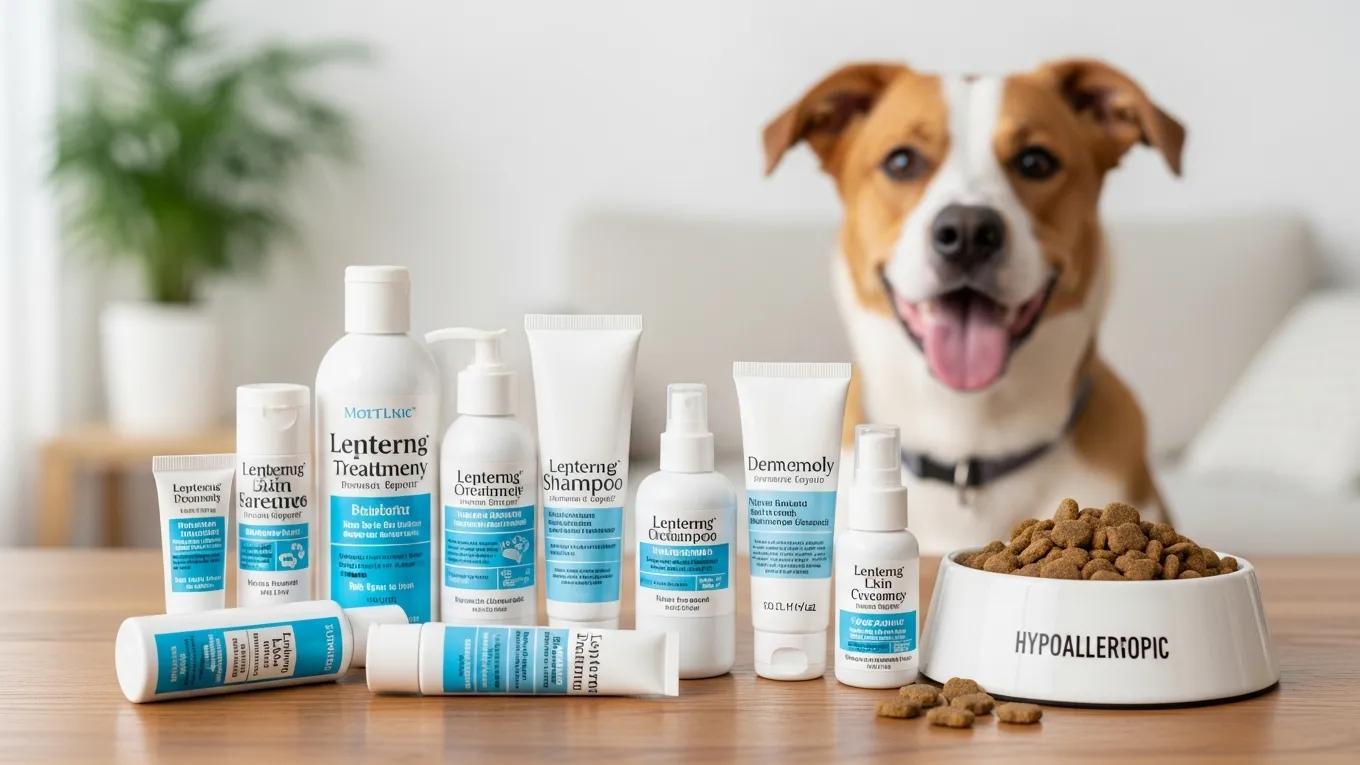
When it comes to treating skin conditions in pets, various options are available, each tailored to the specific issue at hand. Common treatment methods include:
- Topical Ointments: These are often prescribed to alleviate symptoms and promote healing directly on the affected area.
- Oral Medications: Antihistamines and corticosteroids are commonly used to manage inflammation and itching associated with skin allergies.
- Specialized Shampoos: Designed to soothe the skin and reduce irritation, these shampoos can be an essential part of a pet’s skincare routine.
- Dietary Adjustments: Hypoallergenic diets may be recommended to address food allergies that contribute to skin issues.
- Environmental Modifications: Reducing exposure to allergens in your pet’s environment can significantly improve their skin health.
At Pine Animal Hospital, we offer a range of treatment options tailored to your pet’s specific needs, ensuring they receive the best care possible.
Common Skin Conditions in Pets
Pets can suffer from various skin conditions, each requiring specific attention and treatment. Some of the most prevalent skin issues include:
- Atopic Dermatitis: A chronic inflammatory skin condition often caused by environmental allergens.
- Acute Moist Dermatitis (Hot Spots): These are localized areas of skin inflammation and infection that can develop rapidly.
- Dermatophyte Infection: Also known as ringworm, this fungal infection can affect pets and requires antifungal treatment.
Understanding these conditions is essential for effective management and treatment.
It’s important to note that some of these conditions, like dermatophytosis, are zoonotic, highlighting the importance of preventive measures for both pet and owner health.
Zoonotic Skin Diseases & Prevention in Pets
This paper summarizes the most important common zoonotic dermatological diseases of dogs and cats. The most common dermatological zoonoses are flea and tick infestations and the diseases they transmit; dermatophytosis; and mite infestations (SarcoptesandCheyletiella). Prevention of zoonotic infestations or infections can be accomplished easily by the use of routine flea and tick control, screening of new pets for dermatophytosis, and routine hand-washing.
Allergen specific immunotherapy in canine atopic dermatitis: An update, 2019
Evidence-Based Dermatology Treatments at Pine Animal Hospital
Preventing skin issues in pets is often more effective than treating them after they occur. Here are some strategies to help maintain your pet’s skin health:
- Regular Grooming: Keeping your pet’s coat clean and free of mats can help prevent skin irritations.
- Routine Veterinary Check-ups: Scheduling regular appointments with your veterinarian allows for early detection of potential skin problems.
- Balanced Nutrition: Providing a well-balanced diet rich in essential fatty acids can support healthy skin and coat.
At Pine Animal Hospital, we emphasize the importance of routine check-ups to monitor your pet’s skin health and address any concerns promptly.
Resources for Pet Owners
Pet owners can benefit from various resources to help manage their pets’ skin conditions effectively. These include:
- Downloadable Guides: Educational materials that provide insights into common skin issues and their management.
- Educational Articles: Articles that cover various aspects of pet dermatology, helping owners stay informed.
- Community Engagement: Connecting with other pet owners can provide support and shared experiences in managing skin conditions.
What Are the Most Common Pet Skin Conditions We Treat?
At Pine Animal Hospital, we frequently treat several common skin conditions, including:
- Dermatitis: Inflammation of the skin that can result from allergies or irritants.
- Atopic Dermatitis: A specific type of dermatitis linked to environmental allergens.
- Pyoderma: A bacterial skin infection that often requires antibiotic treatment.
Understanding these conditions can help pet owners recognize symptoms early and seek appropriate care.
How to Recognize Signs of Pet Skin Allergies and Eczema
Recognizing the signs of skin allergies and eczema in pets is crucial for timely intervention. Common symptoms include:
- Itching and Scratching: Persistent itching can indicate an allergic reaction or skin condition.
- Red or Inflamed Skin: Areas of redness or swelling may signal irritation or infection.
- Hair Loss: Patches of hair loss can occur due to excessive scratching or underlying skin issues.
If you notice any of these signs, it is essential to consult with a veterinarian for proper diagnosis and treatment.
Identifying Dog Skin Infections and Other Dermatological Issues
Identifying skin infections in dogs requires careful observation of symptoms. Common signs include:
- Pustules or Sores: These can indicate bacterial infections that require veterinary attention.
- Foul Odor: An unusual smell may suggest an underlying infection.
- Changes in Coat Condition: Dullness or excessive shedding can be signs of skin problems.
Veterinarians use various diagnostic methods, including skin scrapings and cultures, to determine the cause of these issues.
How Does Allergy Testing Work for Pets?
Allergy testing is a valuable tool in diagnosing skin conditions related to allergies. The process typically involves:
- Skin Tests: Small amounts of allergens are introduced to the skin to observe reactions.
- Blood Tests: These tests measure the immune response to specific allergens.
Interpreting the results helps veterinarians develop targeted treatment plans for managing allergies effectively.
Detailed guidelines emphasize that diagnosing canine atopic dermatitis involves a thorough clinical assessment and ruling out other conditions before proceeding with allergy testing for specific immunotherapy.
Canine Atopic Dermatitis: Diagnosis & Allergen Identification
The diagnosis of canine AD is based on meeting clinical criteria and ruling out other possible causes with similar clinical signs. Flea combing, skin scraping and cytology should be performed, where necessary, as part of a thorough work-up. Elimination diet trials are required for patients with perennial pruritus and/or concurrent gastrointestinal signs. Once a clinical diagnosis of canine AD is made, allergy testing can be performed to identify potential causative allergens for allergen-specific immunotherapy.
Canine atopic dermatitis: detailed guidelines for diagnosis and allergen identification, C Favrot, 2015
What Treatment Options Are Available for Pet Skin Allergies and Infections?
When it comes to treating skin allergies and infections, several options are available:
- Topical Treatments: Creams and ointments can provide localized relief.
- Oral Medications: Antihistamines and corticosteroids are commonly prescribed to manage symptoms.
- Immunotherapy: This treatment involves gradually desensitizing pets to specific allergens.
These options can be tailored to your pet’s specific needs, ensuring effective management of their skin issues.
Further research highlights the effectiveness and safety of allergen immunotherapy as a key treatment for canine atopic dermatitis.
Allergen Immunotherapy for Canine Atopic Dermatitis
AIT is the only etiological treatment available for canine atopic dermatitis. Selection of allergens is based on clinical history in conjunction with positive reactions on intradermal and serum testing. During decades AIT was applied subcutaneously (SCIT) using aqueous or aluminum-precipitated solution of allergens, but in the last few years, new routes like sublingual (SLIT), intralymphatic (ILIT), and epicutaneous administration are on the rise. AIT combines a satisfactory success rate (around 70%) with a good safety profile.
Allergen specific immunotherapy in canine atopic dermatitis: An update, 2019
Conventional Treatments: Medications and Surgical Procedures
Conventional treatments for skin conditions often involve medications and, in some cases, surgical procedures. Common approaches include:
- Medications: These may include antibiotics for infections or corticosteroids for inflammation.
- Surgical Options: In severe cases, surgical intervention may be necessary to remove tumors or lesions.
Understanding these treatment options can help pet owners make informed decisions about their pet’s care.
Integrative and Holistic Care: Acupuncture, Herbal Remedies, and More
Integrative and holistic care approaches can complement conventional treatments for skin issues. These may include:
- Acupuncture: This technique can help alleviate symptoms and promote healing.
- Herbal Remedies: Certain herbs may support skin health and reduce inflammation.
- Complementary Therapies: Techniques such as massage or aromatherapy can enhance overall well-being.
Exploring these options can provide additional support for your pet’s skin health.
Why Choose a Veterinary Skin Specialist Near You in Long Beach?
Choosing a veterinary skin specialist offers several benefits, including:
- Personalized Treatment: Specialists can provide tailored care based on your pet’s specific needs.
- Accessibility to Services: Local specialists are often more accessible for follow-up appointments and ongoing care.
- Ongoing Support: Specialists can offer continuous guidance and support throughout your pet’s treatment journey.
At Pine Animal Hospital, we pride ourselves on providing compassionate and comprehensive care for all skin conditions.
How Pine Animal Hospital Combines Compassionate and Comprehensive Care
At Pine Animal Hospital, we believe in a holistic approach to veterinary dermatology. Our team combines advanced diagnostics with compassionate care to ensure your pet receives the best treatment possible. We focus on understanding each pet’s unique needs and developing tailored treatment plans that address their specific skin issues. Our commitment to community involvement and education further enhances our ability to provide exceptional care.
How Can You Prevent and Manage Your Pet’s Skin Issues Long-Term?
Long-term management of your pet’s skin issues involves several strategies:
- Regular Grooming: Keeping your pet’s coat clean and well-maintained can prevent many skin problems.
- Diet Monitoring: Ensuring your pet receives a balanced diet can support skin health.
- Routine Check-ups: Regular veterinary visits allow for early detection and management of potential issues.
By implementing these strategies, pet owners can help maintain their pets’ skin health and prevent future problems.
Routine Skin Health Exams and Early Detection Tips
Routine skin health exams are essential for early detection of potential issues. Pet owners should look for:
- Signs of Irritation: Regularly check for redness, swelling, or unusual odors.
- Frequency of Exams: Schedule veterinary check-ups at least once a year, or more frequently for pets with known skin issues.
- Importance of Early Detection: Early intervention can prevent more severe problems and improve treatment outcomes.
To ensure your pet’s well-being, consider scheduling regular veterinary visits for comprehensive health assessments.
Lifestyle and Environmental Changes to Support Healthy Skin
Making lifestyle and environmental changes can significantly impact your pet’s skin health. Consider the following:
- Dietary Adjustments: Incorporating omega-3 fatty acids can improve skin condition.
- Grooming Practices: Regular brushing can help remove allergens and debris from your pet’s coat.
- Environmental Factors: Reducing exposure to known allergens in your pet’s environment can help prevent flare-ups.
For pets requiring urgent attention, emergency care services are available to address immediate health concerns.
Additionally, vaccinations play a crucial role in preventing various diseases that can affect your pet’s overall health.