Canine Vaccination Guidelines at Pine Animal Hospital
Vaccinations are a critical aspect of canine health, providing essential protection against various diseases that can affect dogs. In Long Beach, understanding the vaccination requirements and schedules is vital for pet owners to ensure their dogs remain healthy and safe. This comprehensive guide will cover the core and non-core vaccines every dog needs, the vaccination schedule, and the importance of these vaccinations. Additionally, we will discuss how to prepare your puppy for their vaccination visits and where to find trusted clinics in Long Beach, including the services offered by Pine Animal Hospital.
By the end of this article, you will have a clear understanding of the necessary vaccinations for your dog, the timing for these vaccinations, and how to navigate the vaccination process effectively. This knowledge will empower you to make informed decisions about your pet’s health and well-being.
Core Vaccines for Dogs

Core vaccines are essential for all dogs, as they protect against serious diseases that can be life-threatening. In Long Beach, the core vaccines recommended for dogs include:
- Rabies Vaccine: Required by law, this vaccine protects against rabies, a fatal viral disease that affects the nervous system.
- Distemper Vaccine: This vaccine protects against canine distemper, a highly contagious viral disease that can cause severe respiratory, gastrointestinal, and neurological issues.
- Parvovirus Vaccine: This vaccine is crucial for preventing parvovirus, a highly contagious virus that can lead to severe gastrointestinal illness and is often fatal, especially in puppies.
These vaccines are typically administered in a series during a dog’s early life, followed by booster shots to maintain immunity. Ensuring your dog receives these core vaccines is vital for their health and the safety of the community.
Non-Core Vaccines (Based on Risk)
Non-core vaccines are recommended based on a dog’s lifestyle, environment, and risk factors. These vaccines may include:
- Bordetella Vaccine: Recommended for dogs that are frequently in contact with other dogs, such as those attending daycare or boarding facilities, as it protects against kennel cough.
- Lyme Disease Vaccine: This vaccine is advisable for dogs that spend a lot of time outdoors in areas where ticks are prevalent, as it protects against Lyme disease transmitted by tick bites.
- Leptospirosis Vaccine: Recommended for dogs that may be exposed to contaminated water or environments, as it protects against a bacterial infection that can affect both dogs and humans.
Consulting with your veterinarian can help determine which non-core vaccines are appropriate for your dog based on their specific circumstances.
Vaccination Schedule Overview
Understanding the vaccination schedule is crucial for ensuring your dog receives their vaccines on time. The following table outlines the typical vaccination schedule for puppies and adult dogs:
Pine Animal Hospital offers comprehensive vaccination services, making it easy for pet owners to stay on schedule with their dog’s vaccinations. Regular check-ups and vaccinations are essential for maintaining your dog’s health and preventing the spread of diseases.
Importance of Vaccinations
Vaccinations play a crucial role in protecting not only individual dogs but also the broader community. They help prevent the outbreak of contagious diseases, ensuring a healthier environment for all pets. Vaccinations can also save pet owners money in the long run by preventing costly treatments for diseases that could have been avoided.
Moreover, many boarding facilities, dog parks, and training classes require proof of vaccinations, making them essential for socialization and participation in various activities. By keeping your dog up to date on vaccinations, you contribute to the overall health of the canine population in Long Beach.
Indeed, the widespread benefits of vaccination for both individual pets and the broader community are well-documented, with experts emphasizing that the advantages far outweigh any potential risks.
Why Dog Vaccinations Are Essential: Benefits Outweigh Risks
Widespread vaccination of humans and animals against previously common infectious diseases has decreased the incidence and mortality associated with these diseases to such an extent that most of the general population now has no memory of what it was like when these diseases were the major cause of death. While adverse reactions to vaccination do occur, the rate of these reactions is low and the risk of not having immunity to common infectious organisms far outweighs the risk of developing serious illness as a result of vaccination (1–3).
Suspected adverse reactions to vaccination in Canadian dogs and cats, 2015
Canine Vaccination Guidelines at Pine Animal Hospital
In addition to vaccinations, regular wellness exams and preventive care are essential for your dog’s health. This includes:
- Routine Check-ups: Regular veterinary visits help monitor your dog’s health and catch any potential issues early.
- Preventive Care: This includes flea and tick prevention, heartworm testing, and dental care to maintain overall health.
- Nutritional Counseling: A balanced diet is crucial for your dog’s well-being, and your veterinarian can provide guidance on the best nutrition for your pet.
By integrating these care requirements with vaccinations, you can ensure your dog leads a healthy and happy life.
What Are the Core Dog Vaccines Recommended in Long Beach?
The core dog vaccines recommended in Long Beach include:
- Rabies Vaccine
- Distemper Vaccine
- Parvovirus Vaccine
These vaccines are essential for protecting your dog from serious diseases and are required by law in many areas.
Which Vaccines Protect Against Rabies, Distemper, and Parvovirus?
The vaccines that protect against rabies, distemper, and parvovirus are:
- Rabies Vaccine: Protects against rabies, a fatal viral disease.
- Distemper Vaccine: Protects against canine distemper, which can cause severe illness.
- Parvovirus Vaccine: Protects against parvovirus, a highly contagious virus that can be fatal.
These vaccines are critical for maintaining your dog’s health and preventing the spread of these diseases.
Why Are Core Vaccines Crucial for Your Dog’s Health?
Core vaccines are crucial for your dog’s health because they provide protection against life-threatening diseases. Vaccinations help to:
- Prevent Disease: Vaccines stimulate the immune system to protect against specific pathogens.
- Promote Community Health: Vaccinating your dog helps prevent outbreaks of contagious diseases in the community.
- Reduce Veterinary Costs: Preventing diseases through vaccination can save pet owners from expensive treatments.
By ensuring your dog receives their core vaccines, you are taking a proactive step in safeguarding their health.
How Does the Dog Vaccination Schedule Work in Long Beach?
In Long Beach, the dog vaccination schedule typically begins when puppies are around six to eight weeks old. The initial series of vaccinations is crucial for building immunity. After the initial vaccinations, booster shots are required at specific intervals to maintain immunity.
Veterinarians in Long Beach, including those at Pine Animal Hospital, can provide detailed vaccination schedules tailored to your dog’s needs, ensuring they receive the necessary vaccines on time.
When Should Puppies Receive Their First Shots?
Puppies should receive their first vaccinations at around six to eight weeks of age. The initial series usually includes the distemper and parvovirus vaccines, followed by additional vaccinations at twelve weeks.
It is essential to adhere to this schedule to ensure that puppies develop a strong immune response and are protected from serious diseases as they grow.
How Often Do Adult Dogs Need Booster Vaccines?
Adult dogs typically need booster vaccines every one to three years, depending on the vaccine type and local regulations. Core vaccines like rabies, distemper, and parvovirus usually require boosters every three years, while others, such as Bordetella and Lyme disease vaccines, may need to be administered annually.
Regular check-ups with your veterinarian will help determine the appropriate booster schedule for your dog.
What Are the Puppy Vaccine Requirements in Long Beach, CA?
In Long Beach, CA, puppy vaccine requirements include:
- Rabies Vaccine: Required by law.
- Distemper Vaccine: Essential for preventing serious illness.
- Parvovirus Vaccine: Critical for protecting against a highly contagious virus.
These vaccines are necessary for ensuring the health and safety of your puppy and the community.
Are Puppy Shots Required by California Law?
Yes, puppy shots, particularly the rabies vaccine, are required by California law. This law helps protect both pets and humans from rabies, a fatal disease. Ensuring your puppy is vaccinated not only complies with legal requirements but also safeguards their health.
How to Prepare Your Puppy for Their Vaccination Visits?
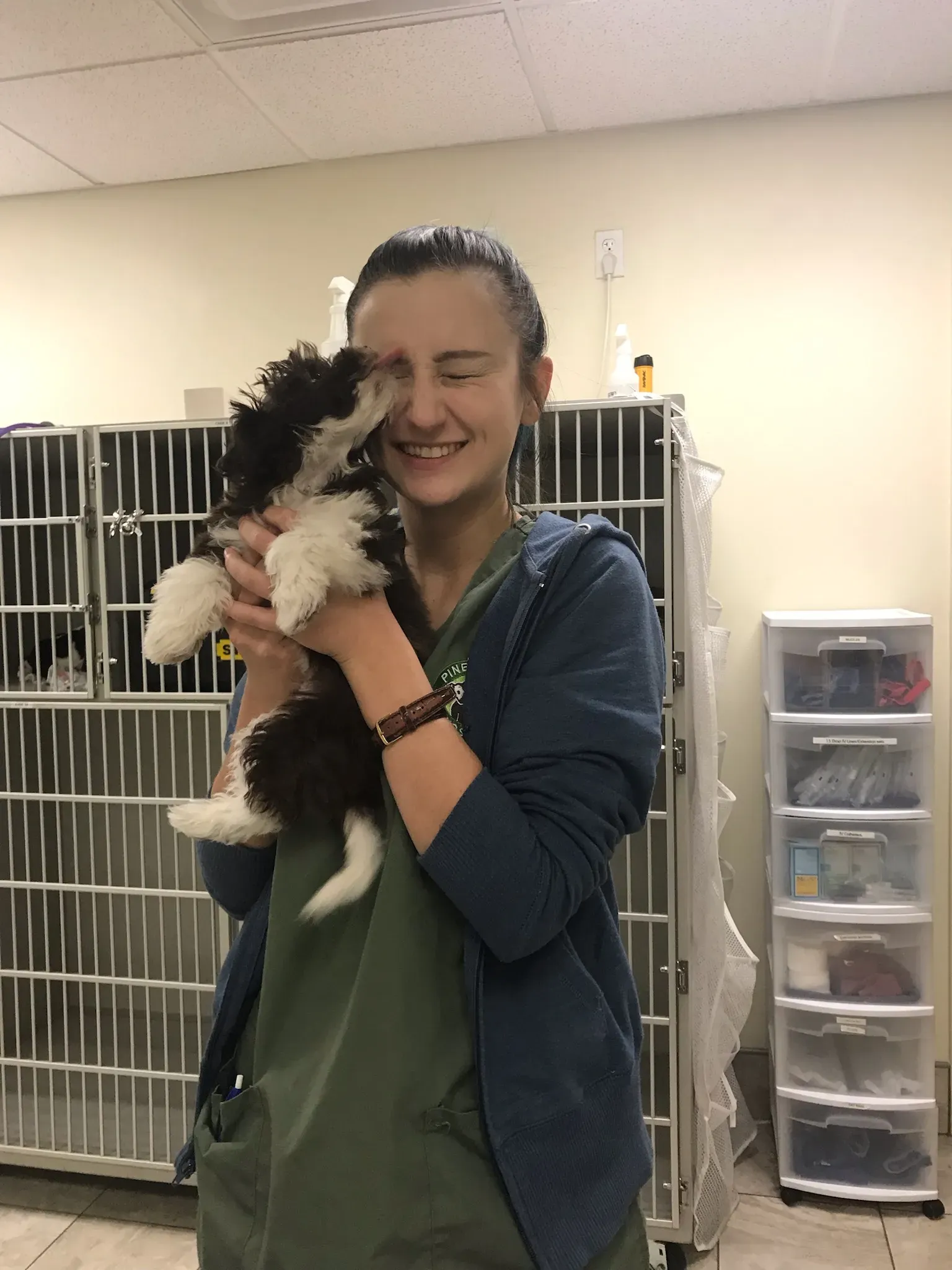
Preparing your puppy for vaccination visits can help reduce stress and ensure a smooth experience. Here are some tips:
- Gather Medical Records: Bring any previous vaccination records to the appointment.
- Familiarize Your Puppy: Take your puppy to the clinic before the appointment to help them get used to the environment.
- Stay Calm: Your demeanor can influence your puppy’s behavior; remain calm and reassuring during the visit.
By following these steps, you can help your puppy feel more comfortable during their vaccination visits.
Where Can You Find Trusted Dog Vaccine Clinics in Long Beach?
In Long Beach, several trusted clinics offer dog vaccinations, including:
- Pine Animal Hospital: Provides comprehensive vaccination services and wellness exams.
- Local Veterinary Clinics: Many clinics in the area offer vaccination services tailored to your dog’s needs.
It’s essential to choose a reputable clinic to ensure your dog receives high-quality care.
What Services Does Pine Animal Hospital Offer for Dog Vaccinations?
Pine Animal Hospital offers a range of services for dog vaccinations, including:
- Core and Non-Core Vaccines: Comprehensive vaccination options to protect your dog.
- Wellness Exams: Regular check-ups to monitor your dog’s health.
- Preventive Care Services: Additional services to maintain your dog’s overall well-being.
These services ensure that your dog receives the best possible care throughout their life.
How to Schedule Your Dog’s Vaccination Appointment in Long Beach?
Scheduling your dog’s vaccination appointment at Pine Animal Hospital is straightforward. You can call their office at (562) 912-7463 to set up an appointment. Be sure to have your dog’s medical records handy and discuss any specific concerns with the staff.
By staying proactive about your dog’s vaccinations, you can help ensure they remain healthy and protected against preventable diseases.
Canine Vaccination Guidelines at Pine Animal Hospital
While vaccines are generally safe, some dogs may experience mild side effects, including:
- Soreness at the Injection Site: This is common and usually resolves within a few days.
- Mild Fever: A slight increase in temperature can occur but typically subsides quickly.
- Lethargy: Some dogs may be less active for a day or two after vaccination.
If you notice any severe reactions, such as difficulty breathing or swelling, contact your veterinarian immediately.
What Common Reactions Should You Watch for After Vaccination?
After vaccination, it’s essential to monitor your dog for any unusual reactions. Common reactions to watch for include:
- Persistent Vomiting or Diarrhea: This may indicate an adverse reaction.
- Severe Lethargy: If your dog is excessively tired or unresponsive, seek veterinary advice.
- Swelling or Redness: If the injection site appears swollen or inflamed, consult your veterinarian.
Being vigilant after vaccinations can help ensure your dog’s safety and well-being.
When Should You Contact Your Vet About Vaccine Side Effects?
You should contact your veterinarian if you notice any of the following after your dog’s vaccination:
- Severe Allergic Reactions: Difficulty breathing, swelling of the face, or hives.
- Persistent Symptoms: If mild side effects do not resolve within a few days.
- Behavioral Changes: Significant changes in your dog’s behavior or energy levels.
Prompt communication with your vet can help address any concerns and ensure your dog’s health.
How Do Local Laws Affect Dog Vaccination Requirements in Long Beach?
Local laws in Long Beach mandate certain vaccinations for dogs, primarily the rabies vaccine. These laws are in place to protect public health and prevent the spread of rabies. Pet owners must comply with these regulations to ensure their dogs are legally vaccinated and to contribute to community health.
What Are California’s Rabies Vaccine Regulations for Dogs?
California’s rabies vaccine regulations require that all dogs receive their first rabies vaccination by four months of age. Subsequent booster shots are required every one to three years, depending on the vaccine used. Compliance with these regulations is essential for public safety and the health of your pet.
Are There Additional Vaccination Rules Specific to Long Beach?
In addition to state regulations, Long Beach may have specific local rules regarding vaccinations. These can include requirements for non-core vaccines based on local health concerns. Pet owners should consult with their veterinarian to ensure they are aware of any additional vaccination rules that may apply to their dogs.