Emergency Pet Procedures at Pine Animal Hospital
By Dr. Steve Manyak, Pine Animal Hospital
When our pets face emergencies, quick action can be the difference between life and death. This article details emergency pet procedures and essential guidance to ensure pet owners feel prepared to manage pet health crises. At Pine Animal Hospital, we focus on delivering expert emergency veterinary care and urgent pet surgery, providing critical support when it matters most. Pet owners often feel panic when their pets show distress or injury; understanding the emergency services available can alleviate some of that stress. This guide covers vital emergency services, signs that require urgent attention, and preparations that enhance care.
Emergency Pet Procedures at Pine Animal Hospital
Pine Animal Hospital offers comprehensive emergency veterinary services designed to provide immediate and effective interventions. Our rapid triage process ensures that pets receive prompt assessments based on severity. In addition to standard diagnostics, we utilize advanced imaging technologies to identify issues quickly. Our facilities are equipped for various emergency surgical procedures, addressing critical needs such as trauma, poisoning, or severe illness. For assistance, you can contact our expert team at (562) 912-7463.
Guidance for Urgent Pet Surgeries
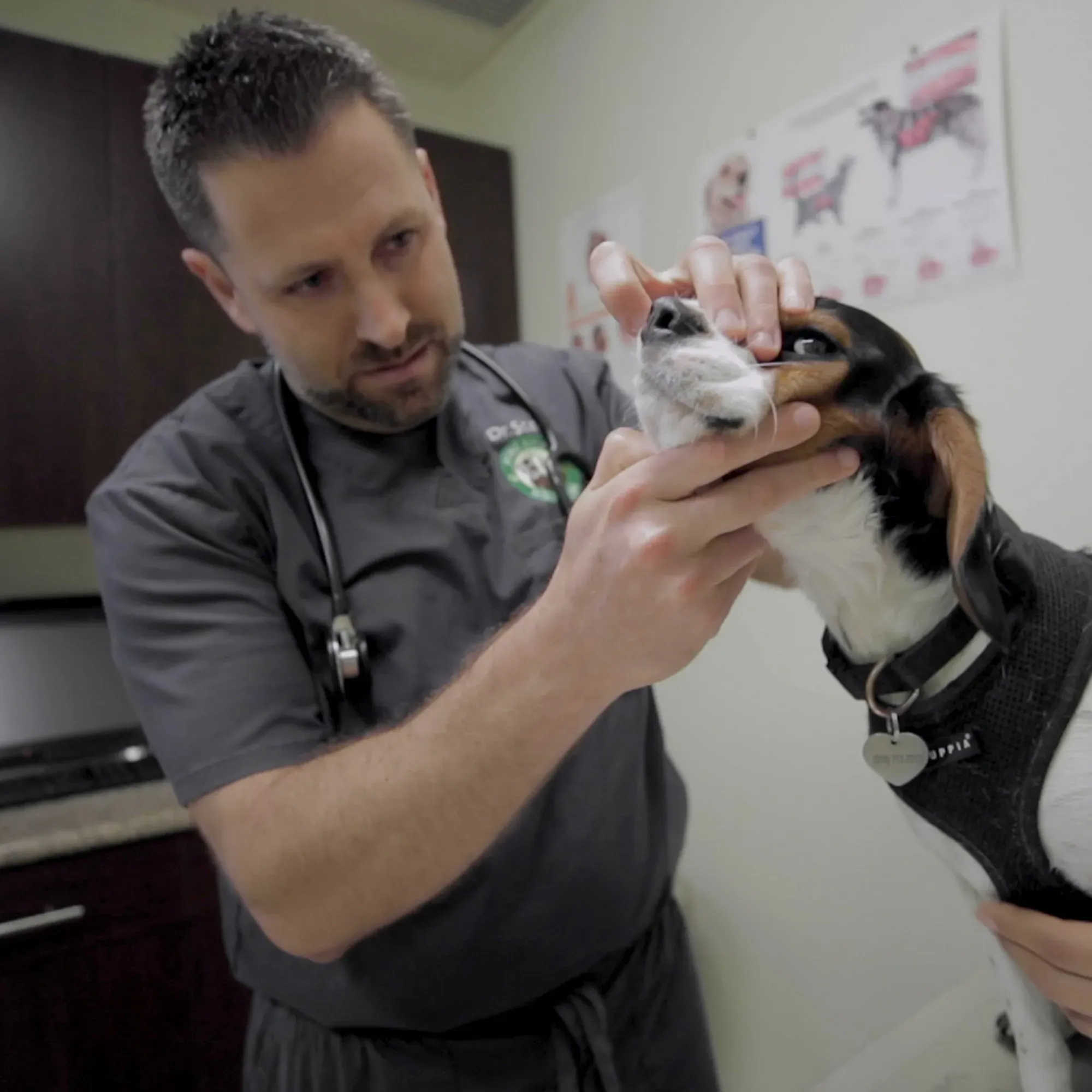
Urgent surgeries can make a critical difference in life-threatening situations. At Pine Animal Hospital, we emphasize timely interventions for conditions requiring surgical management—such as internal bleeding and severe fractures. Our approach involves a collaborative effort among specialists to ensure the best outcomes for pets. Regular training and updates keep our veterinary team at the forefront of emergency care practices.
Critical Steps for Pet Owners During Emergencies
In an emergency, pet owners should follow a few key steps to ensure their pet’s safety and well-being:
- Stay Calm and Secure Your Pet: Ensure your pet is calm and prevent them from running away or injuring themselves further.
- Contact the Clinic: Call (562) 912-7463 to inform the clinic of your situation, so the team can prepare for arrival.
- Prepare Records: Gather any relevant health records, including vaccination information and previous medical history, to expedite care.
Following these steps can significantly enhance the efficiency of emergency care procedures, aiding both the pet and the veterinary team.
Emergency Pet Procedures at Pine Animal Hospital
Knowing the signs of a pet emergency is crucial for swift intervention. Common symptoms indicating immediate veterinary attention include:
- Respiratory Distress: Labored breathing or excessive panting can indicate serious medical issues.
- Neurological Changes: Symptoms such as seizures or loss of consciousness require urgent care.
- Severe Trauma Indications: Visible wounds, broken bones, or signs of severe pain necessitate immediate evaluation.
Recognizing these signs early can help facilitate faster treatment and potentially save lives.
When Should You Visit Pine Animal Hospital for 24 Hour Emergency Care?
Not every incident requires a late-night trip to the clinic, but certain scenarios necessitate immediate professional attention:
- Need for Immediate Attention: If your pet shows sudden, severe symptoms, don’t hesitate to seek care.
- Symptoms Indicating Emergencies: Continuous vomiting, profuse diarrhea, or unresponsiveness are clear signals.
- Examples of Urgent Cases: Severe allergic reactions, intoxications, or significant trauma all warrant a trip to the emergency room.
Being informed about when to rush your pet to Pine Animal Hospital can significantly affect their health outcomes.
What Does the Emergency Surgery Process at Pine Animal Hospital Involve?
In the event that surgery is needed, the emergency surgery process is thoroughly structured to ensure your pet receives the best possible care. Initially, we conduct a comprehensive triage assessment to evaluate the patient’s condition. Stabilizing the pet often involves administering fluids and medications before proceeding with surgical intervention. Our team meticulously communicates with pet owners throughout this process, outlining what to expect during their pet’s surgery and recovery.
What Is the Post-Operative Critical Care for Pets After Emergency Procedures?
Post-operative care is vital to ensure the recovery and comfort of your pet. Our protocols include:
- Monitoring Protocols: Continuous monitoring of vital signs and overall conditions helps detect any early signs of complications.
- Complication Signs to Watch For: Pet owners should be vigilant for signs like excessive bleeding, difficulty breathing, or unusual swelling at the surgical site.
Adhering to post-operative instructions is crucial, and Pine Animal Hospital provides resources to guide owners through this recovery phase.
What Steps Should Pet Owners Follow for Recovery and Monitoring?
Once your pet is home, following the right recovery steps is essential for healing. Consider these practices:
- Postoperative Care Details: Administer prescribed medications and ensure your pet stays comfortable.
- Follow-Up Appointment Importance: Schedule follow-up visits to monitor progress and address any concerns with our veterinary team.
Consistent care during recovery can maximize the likelihood of a complete healing process.
How Can Pet Owners Prepare for Emergency Veterinary Visits at Pine Animal Hospital?
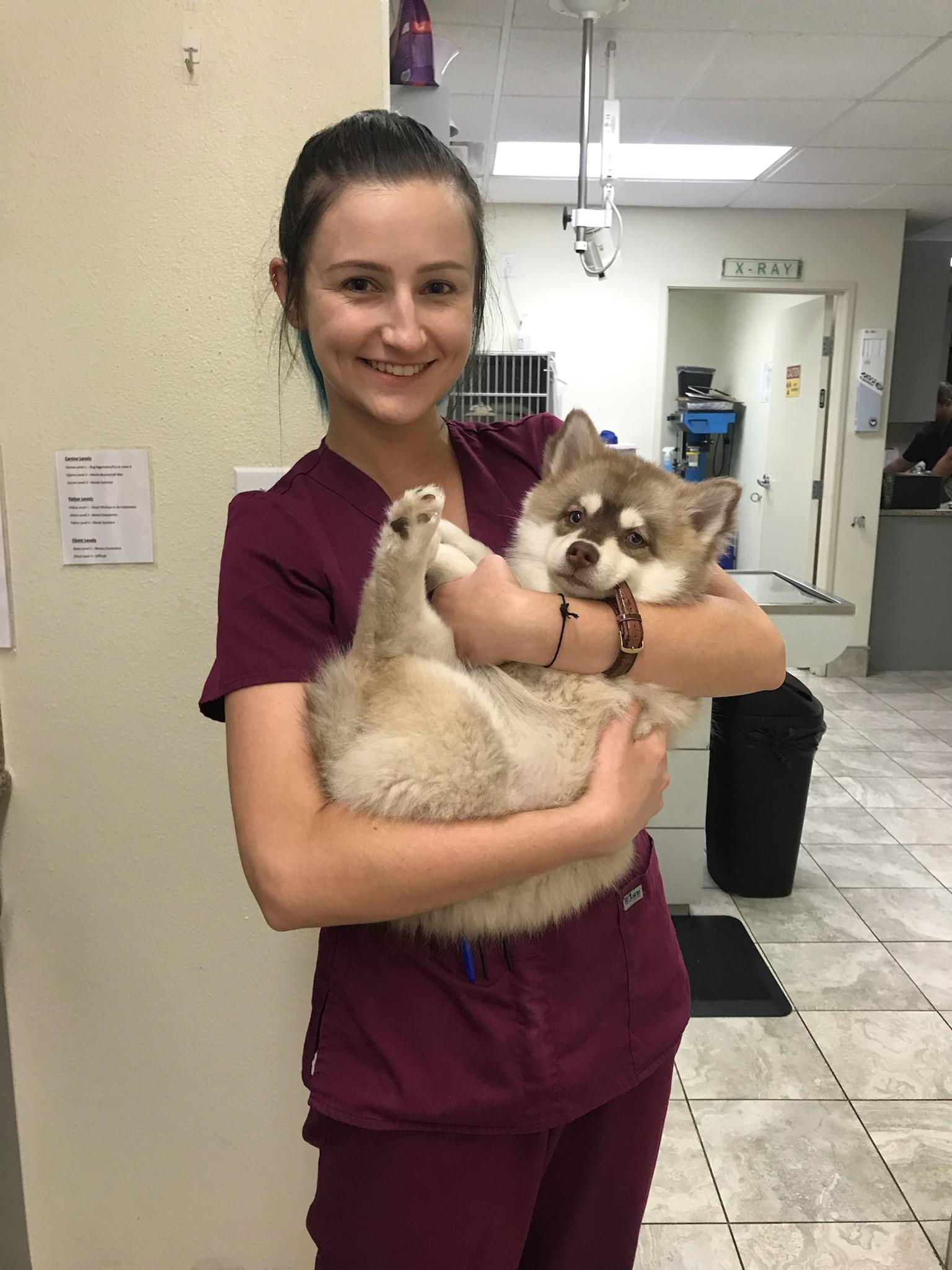
Preparation can significantly improve the efficiency of emergency visits. Pet owners should ensure they have:
- Necessary Items to Bring: Always have a leash, muzzle, and their pet’s health records available.
- Actions to Take Before Arriving: When possible, assess your pet’s symptoms to convey crucial information to the veterinary team upon arrival.
Being prepared enables a smoother transition through emergency care processes, enhancing treatment efficiency.
How Does Preparing in Advance Improve Emergency Care Outcomes?
Being proactive is an excellent way to improve emergency outcomes. Developing an emergency plan, including trusted contacts and transport methods to the clinic, minimizes panic in urgent situations. Ensuring your pet is accustomed to travel and handling can also help facilitate a smoother process during emergencies. The collective impact of preparation on health systems significantly promotes better recovery rates and peace of mind.
Emergency Surgical Procedures Comparison
Different emergency surgical intervention aspects can significantly affect outcomes. The following table outlines various procedures and their characteristics: