Comparing Integrative and Traditional Care at Pine Animal Hospital
Choosing the right veterinary care for your pet can be a daunting task, especially with the growing options available today. Integrative veterinary care combines traditional methods with alternative therapies, offering a holistic approach to pet health. This article will explore the differences between integrative and traditional veterinary care, helping you make an informed decision for your furry friend. Many pet owners are unsure about which approach best suits their pet’s needs, and understanding the nuances of each can provide clarity. We will delve into the key differences, factors to consider when choosing care, potential benefits and drawbacks, and how to access these services in Long Beach, CA.
Differences Between Integrative and Traditional Veterinary Care:
Integrative and traditional veterinary care differ significantly in their approaches to health and treatment philosophies. Traditional veterinary care primarily focuses on diagnosing and treating illnesses using established medical practices, including surgery, medication, and vaccinations. In contrast, integrative veterinary care emphasizes a holistic approach, considering the pet’s physical, emotional, and environmental factors. This method often incorporates alternative therapies alongside conventional treatments, aiming for a more comprehensive understanding of the pet’s health.
The types of therapies used also vary between the two approaches. Traditional care typically relies on pharmaceuticals and surgical interventions, while integrative care may include acupuncture, herbal medicine, and nutritional counseling. Understanding these differences is crucial for pet owners seeking the best care for their pets.
Factors to Consider When Choosing Care for Your Pet:
When deciding between integrative and traditional veterinary care, several factors should be taken into account:
- Health Needs of the Pet: Assess your pet’s specific health conditions and needs. Some pets may benefit more from traditional treatments, while others may thrive with integrative approaches.
- Personal Beliefs About Treatment: Consider your own beliefs regarding health and wellness. If you prefer a more holistic approach, integrative care may align better with your values.
- Veterinarian Expertise: Evaluate the qualifications and experience of the veterinarians available to you. Some may specialize in integrative methods, while others may focus solely on traditional practices.
For those in Long Beach, CA, Pine Animal Hospital offers a comprehensive range of services, including both traditional and integrative veterinary care. You can schedule an appointment by calling (562) 912-7463 or emailing info@pineanimalhospital.com.
Potential Benefits and Drawbacks:
Both integrative and traditional veterinary care come with their own sets of advantages and disadvantages. Understanding these can help you make a more informed choice.
Integrative care often provides a more comprehensive view of pet health, while traditional care is grounded in established medical practices. Weighing these benefits and drawbacks is essential for making the right choice for your pet.
What Is Integrative Veterinary Care and How Does It Work?
Integrative veterinary care is a comprehensive approach that combines traditional veterinary medicine with alternative therapies. This method focuses on treating the whole pet rather than just the symptoms of a disease. By addressing the physical, emotional, and environmental factors affecting a pet’s health, integrative care aims to promote overall well-being.
The key principles of integrative veterinary care include individualized treatment plans, preventive care, and the use of various treatment modalities. This approach often incorporates therapies such as acupuncture, chiropractic care, and nutritional counseling, which can enhance the effectiveness of traditional treatments.
How Does Integrative Care Combine Traditional and Alternative Therapies?
Integrative care effectively combines traditional and alternative therapies to provide a well-rounded treatment plan. For instance, a pet suffering from chronic pain may receive pain relief through traditional medications while also undergoing acupuncture to promote healing and reduce inflammation. This combination allows for a more comprehensive approach to managing the pet’s condition.
The benefits of combining therapies include improved treatment outcomes, reduced reliance on pharmaceuticals, and a focus on long-term wellness. By addressing the root causes of health issues, integrative care can lead to more sustainable health improvements for pets.
Indeed, the strategic integration of various treatment modalities is consistently shown to yield superior results for animal patients.
Integrating Therapies for Enhanced Pet Health Outcomes
By integrating therapies, the goal is to actuate better clinical outcomes for our patients, and, Therapeutic results of integrative medicine treatments combining traditional Chinese with
Integration of complementary therapies with conventional therapy: multimodal approach, 2023
Comparing Integrative and Traditional Care at Pine Animal Hospital
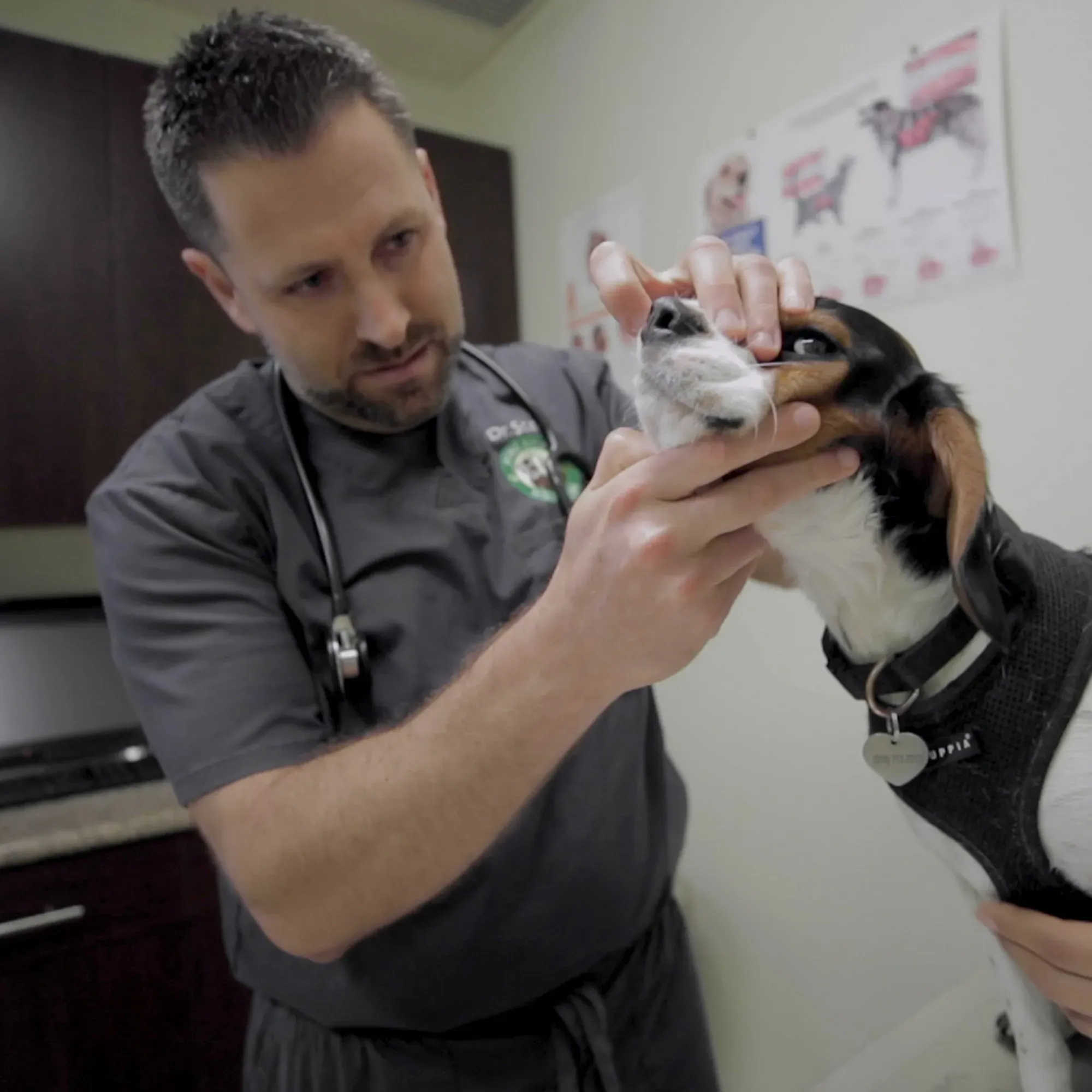
Alternative therapies play a significant role in integrative veterinary care. Two common therapies include acupuncture and herbal medicine.
Acupuncture involves the insertion of fine needles into specific points on the body to stimulate healing and relieve pain. This ancient practice has been shown to be effective for various conditions, including arthritis and anxiety in pets.
Further research supports the growing recognition of acupuncture’s significant role in managing chronic pain and inflammation in veterinary practice.
Acupuncture in Integrative Veterinary Pain Management
Acupuncture is being used much more commonly now as a sole or integrative modality in veterinary medicine and can play a large role in management of inflammation and chronic pain.
Traditional Chinese veterinary medicine: the mechanism and management of acupuncture for chronic pain, 2010
Herbal medicine utilizes plant-based compounds to support health and treat ailments. Many herbs have been used for centuries to promote healing and enhance overall well-being. Integrative veterinarians often combine these therapies with traditional treatments to create a balanced approach to pet health.
What Does Traditional Veterinary Medicine Include and When Is It Recommended?
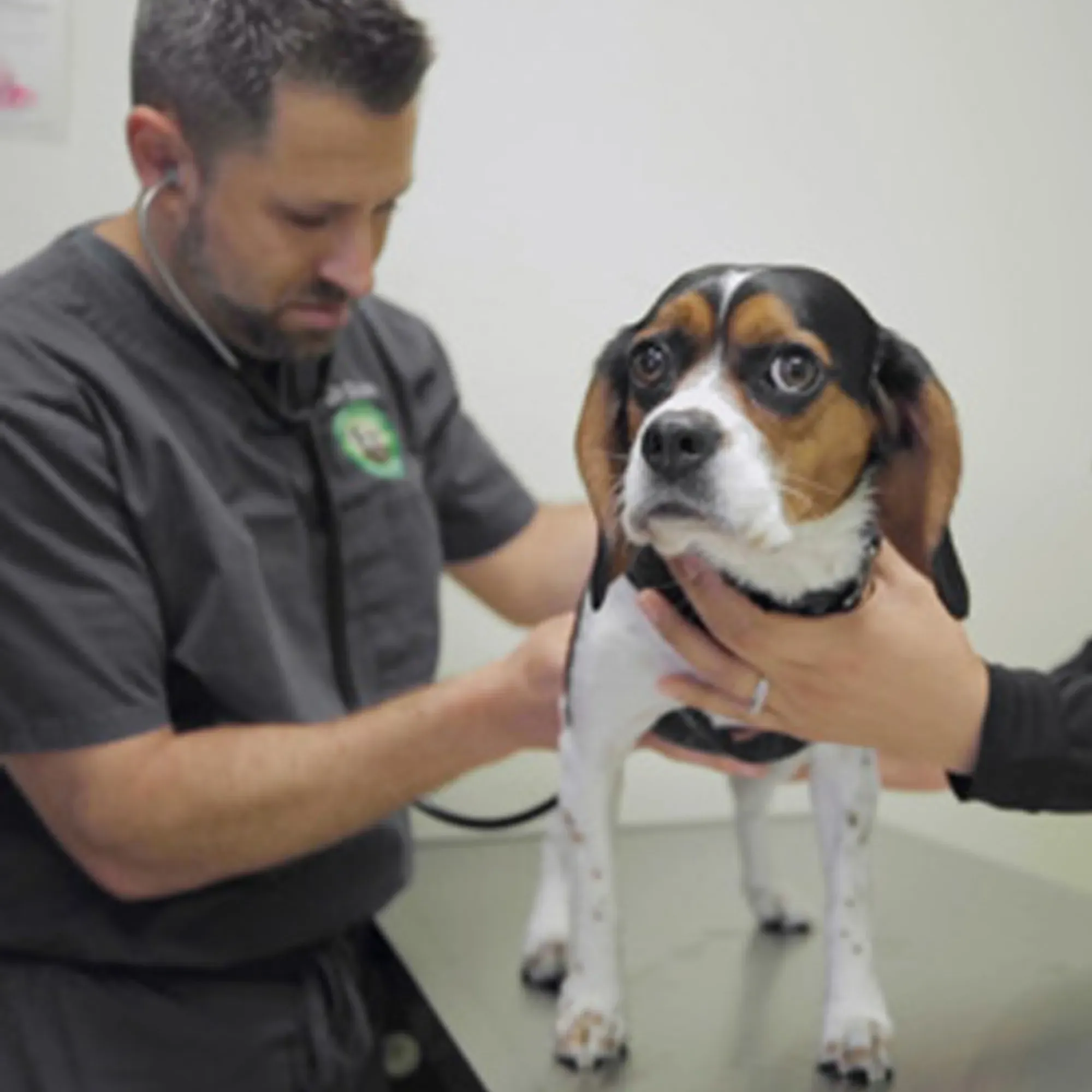
Traditional veterinary medicine encompasses a range of practices focused on diagnosing and treating illnesses through established medical protocols. This includes vaccinations, surgeries, and the use of pharmaceuticals. Traditional care is often recommended for acute conditions, emergencies, and situations requiring immediate intervention.
For example, if a pet is diagnosed with a severe infection, traditional veterinary medicine would provide the necessary antibiotics and treatments to address the issue promptly. Understanding when to utilize traditional care is crucial for ensuring the best outcomes for your pet.
What Are the Pros and Cons of Traditional Veterinary Treatments?
Traditional veterinary treatments offer several advantages, including:
- Proven Efficacy: Many traditional treatments have undergone rigorous testing and have established success rates.
- Immediate Results: Traditional methods can provide quick relief for acute conditions, such as infections or injuries.
- Emergency Care: Traditional veterinary practices are essential for emergency situations requiring immediate medical attention.
However, there are also drawbacks to consider:
- Invasiveness: Some traditional treatments may involve invasive procedures, such as surgery.
- Limited Holistic Focus: Traditional care may not always address the underlying causes of health issues, focusing instead on symptom management.
When Is Surgery or Emergency Care Necessary for Your Pet?
Surgery or emergency care is necessary when a pet experiences severe injuries, life-threatening conditions, or requires immediate medical intervention. Signs that may indicate the need for emergency care include:
- Difficulty breathing
- Severe bleeding
- Unconsciousness or unresponsiveness
- Signs of pain or distress
In such cases, traditional veterinary care is crucial for ensuring the pet’s safety and well-being. Understanding when to seek emergency care can save your pet’s life.
What Are the Benefits of Holistic and Integrative Pet Health Treatments?
Holistic and integrative pet health treatments offer numerous benefits, including:
- Comprehensive Care: These approaches consider the pet’s overall health, addressing physical, emotional, and environmental factors.
- Enhanced Recovery: Integrative treatments can support faster recovery from illnesses and surgeries by promoting overall wellness.
- Preventive Health: Holistic care emphasizes preventive measures, helping to maintain health and prevent future issues.
By focusing on the whole pet, integrative care can lead to improved health outcomes and a better quality of life.
How Can Integrative Care Improve Preventive Wellness and Chronic Condition Management?
Integrative care enhances preventive wellness and chronic condition management by addressing the root causes of health issues. This approach encourages regular wellness exams, nutritional counseling, and lifestyle modifications to support long-term health.
For pets with chronic conditions, integrative care can provide additional support through alternative therapies, such as acupuncture and herbal medicine. These treatments can help manage symptoms and improve the pet’s overall quality of life.
Studies further highlight how integrative approaches can significantly enhance the well-being of pets suffering from chronic and degenerative conditions.
Benefits of Integrative Vet Medicine for Pet Pain
may be effective and safe for improving pain relief, physical function, and quality of life in dogs with degenerative diseases, chronic pain, or musculoskeletal pain.
Integrative veterinary medicine: an emerging trend in veterinary practice, 2025
Are Natural Veterinary Remedies Safe and Effective for Pets?
Natural veterinary remedies can be safe and effective for pets when used appropriately. However, it is essential to consult with a qualified veterinarian before introducing any new treatments. Some natural remedies may interact with traditional medications or may not be suitable for all pets.
Research indicates that many natural remedies, such as certain herbs and supplements, can provide health benefits. However, the effectiveness and safety of these remedies can vary, making professional guidance crucial.
How Do You Choose Between Integrative and Traditional Veterinary Care?
Choosing between integrative and traditional veterinary care involves considering several factors:
- Pet’s Health Needs: Assess your pet’s specific health conditions and determine which approach may be more beneficial.
- Personal Beliefs: Reflect on your own beliefs regarding health and wellness, as this can influence your choice.
- Veterinarian Expertise: Seek out veterinarians who specialize in the type of care you prefer, whether traditional or integrative.
Ultimately, the best choice will depend on your pet’s unique needs and your personal preferences.
What Factors Should Influence Your Choice of Care for Your Pet?
Several factors should influence your choice of veterinary care for your pet:
- Owner’s Philosophy: Your beliefs about health and wellness can guide your decision.
- Cost Considerations: Evaluate the costs associated with each type of care, as some treatments may be more expensive than others.
- Availability of Services: Consider the availability of veterinarians and services in your area, as this can impact your options.
By weighing these factors, you can make a more informed decision about your pet’s care.
How Can Long Beach Pet Owners Access Alternative Pet Therapies Locally?
Long Beach pet owners can access alternative pet therapies through local veterinary clinics that offer integrative services. Pine Animal Hospital, located at 900 Pine Ave, Long Beach, CA 90813, provides a range of veterinary services, including both traditional and integrative care. For more information or to schedule an appointment, you can contact them at (562) 912-7463 or via email at info@pineanimalhospital.com.
What Can You Expect from Post-Surgical Integrative Support and Ongoing Wellness Exams?
Post-surgical integrative support typically includes a combination of traditional care and alternative therapies to promote healing. This may involve pain management, nutritional support, and follow-up wellness exams to monitor recovery.
Regular wellness exams are essential in both integrative and traditional care approaches. These exams allow veterinarians to detect potential health issues early and provide preventive care to maintain your pet’s health.
How Does Integrative Care Support Recovery After Surgery?
Integrative care can significantly enhance recovery after surgery by addressing both physical and emotional aspects of healing. This may include pain management through acupuncture, nutritional support to promote healing, and emotional support to reduce anxiety.
By focusing on the whole pet, integrative care can lead to faster recovery times and improved overall well-being.
Why Are Regular Wellness Exams Important in Both Care Approaches?
Regular wellness exams are crucial in both integrative and traditional veterinary care. These exams allow veterinarians to monitor your pet’s health, detect potential issues early, and provide preventive care.
The benefits of regular wellness exams include:
- Early Detection: Identifying health issues before they become serious can lead to better outcomes.
- Preventive Care: Regular check-ups help maintain your pet’s health and prevent future problems.
- Tailored Health Plans: Wellness exams allow veterinarians to create personalized health plans based on your pet’s needs.
In conclusion, understanding the differences between integrative and traditional veterinary care is essential for making informed decisions about your pet’s health. By considering your pet’s needs, your beliefs, and the available options, you can choose the best care approach for your furry friend.