
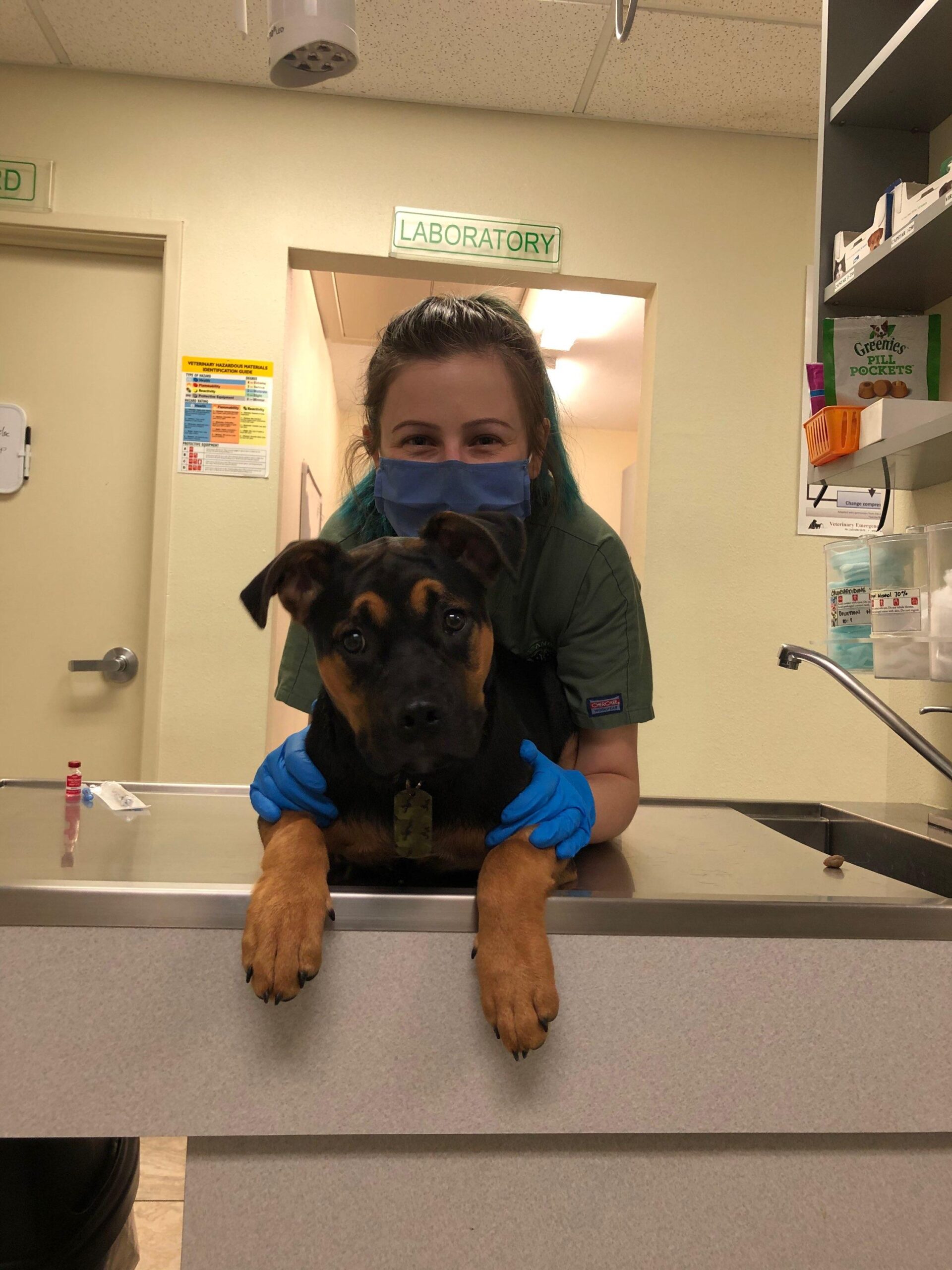
Risk Factors for Pet Heart Disease at Pine Animal Hospital
Recognizing the signs that your pet may require emergency cardiology care is crucial for their health and well-being. Pets, like humans, can suffer from heart issues that may escalate quickly if not addressed promptly. This article will guide you through the critical signs and symptoms that indicate your pet needs urgent heart care, the risk factors associated with pet heart disease, and the recommended actions to take in such situations. Additionally, we will explore the services offered by Pine Animal Hospital, a leading veterinary provider in Long Beach, CA, specializing in emergency cardiology care.
Signs and Symptoms Indicating Emergency Cardiology Care:
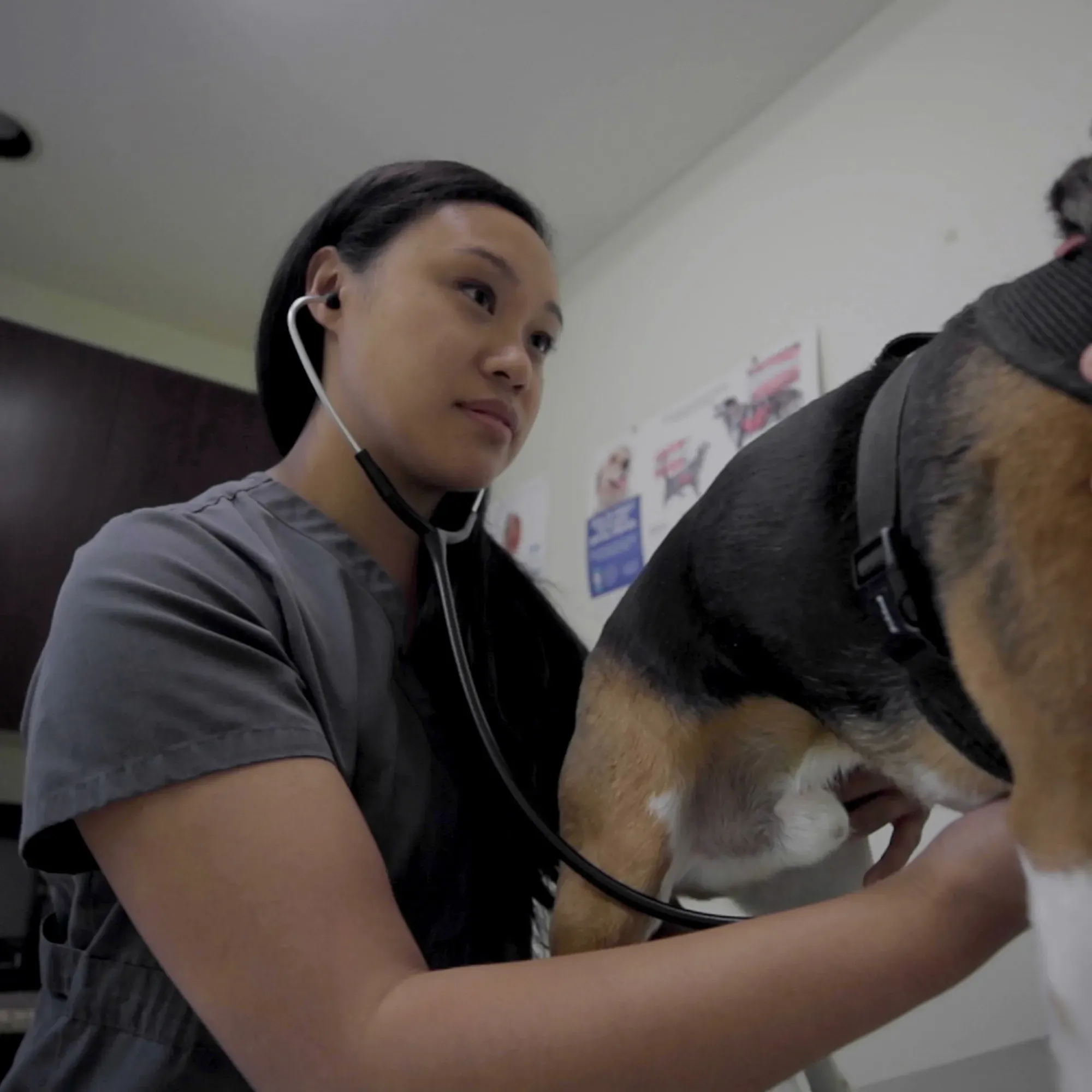
Identifying the signs that your pet may need emergency cardiology care is essential for timely intervention. Common symptoms include:
- Difficulty Breathing: If your pet is struggling to breathe or exhibiting rapid breathing, it may indicate a serious heart condition.
- Coughing: Persistent coughing, especially if it occurs during rest, can be a sign of heart failure.
- Lethargy: A sudden decrease in energy or reluctance to engage in normal activities can signal cardiac distress.
- Fainting or Collapse: If your pet collapses or faints, immediate veterinary attention is necessary.
- Swollen Abdomen: An enlarged abdomen may indicate fluid accumulation due to heart failure.
- Pale or Blue Gums: Gums that appear pale or bluish can indicate inadequate oxygenation, a serious concern.
If you notice any of these symptoms, it is crucial to seek veterinary care immediately. Pine Animal Hospital offers emergency cardiology services to address these urgent needs.
Risk Factors for Pet Heart Disease at Pine Animal Hospital
Understanding the risk factors associated with heart disease in pets can help you take preventive measures. Key risk factors include:
- Age: Older pets are more susceptible to heart disease.
- Obesity: Excess weight can strain the heart and lead to various health issues.
- Breed: Certain breeds are genetically predisposed to heart conditions.
- Previous Health Issues: Pets with a history of health problems may be at higher risk for developing heart disease.
Being aware of these factors can help you monitor your pet’s health more effectively.
Recommended Actions:
When you observe signs of cardiac distress in your pet, taking immediate action is vital. Recommended steps include:
- Immediate Veterinary Care: Contact your veterinarian or an emergency animal hospital right away.
- Prepare for Transport: Keep your pet calm and secure for transport to the veterinary facility.
- Emergency Kit: Have an emergency kit ready, including any medications your pet may need.
- Stay Calm: Your pet can sense your anxiety, so try to remain calm to help them feel secure.
Pine Animal Hospital is equipped to provide rapid emergency care for pets in need of cardiology services.
What Are the Most Common Pet Heart Disease Symptoms to Watch For?
Recognizing the most common symptoms of heart disease in pets can lead to early detection and treatment. Key symptoms include:
- Coughing: Frequent coughing can indicate fluid buildup in the lungs.
- Difficulty Breathing: Labored breathing is a significant warning sign.
- Lethargy: A noticeable drop in energy levels can be a red flag.
- Decreased Exercise Tolerance: If your pet tires easily during walks or play, it may signal heart issues.
- Fluid Retention: Swelling in the abdomen or limbs can indicate heart failure.
How Can You Recognize Signs of Heart Failure in Dogs?
Heart failure in dogs can manifest through several specific signs. Look for:
- Persistent Coughing: This may worsen at night or after exercise.
- Rapid Breathing: Increased respiratory rate, especially at rest, is concerning.
- Decreased Exercise Tolerance: A reluctance to engage in physical activity can indicate underlying heart problems.
What Are Early Warning Symptoms of Pet Cardiac Issues?
Early warning signs of cardiac issues in pets can include:
- Coughing: A sudden onset of coughing can be a precursor to more severe conditions.
- Difficulty Breathing: Noticeable changes in breathing patterns should prompt immediate attention.
- Lethargy: If your pet seems unusually tired or disinterested in activities, it may be time for a veterinary check-up.
Risk Factors for Pet Heart Disease at Pine Animal Hospital
Knowing when to seek emergency veterinary services can save your pet’s life. Key indicators include:
- Severe Breathing Difficulties: If your pet is struggling to breathe, it is a medical emergency.
- Unconsciousness or Collapse: Any loss of consciousness requires immediate veterinary intervention.
- Uncontrolled Bleeding: If your pet is bleeding and cannot be controlled, seek help right away.
- Signs of Pain or Distress: If your pet shows signs of severe pain or distress, do not hesitate to contact a veterinarian.
What Urgent Signs Mean Your Pet Needs Emergency Cardiology Care?
Urgent signs that indicate your pet requires immediate cardiology care include:
- Difficulty Breathing: This is a critical sign that should not be ignored.
- Uncontrolled Bleeding: Any significant bleeding is a cause for concern.
- Sudden Collapse: If your pet collapses, it is essential to seek emergency care immediately.
How Does Pine Animal Hospital Provide Rapid Emergency Heart Care in Long Beach?
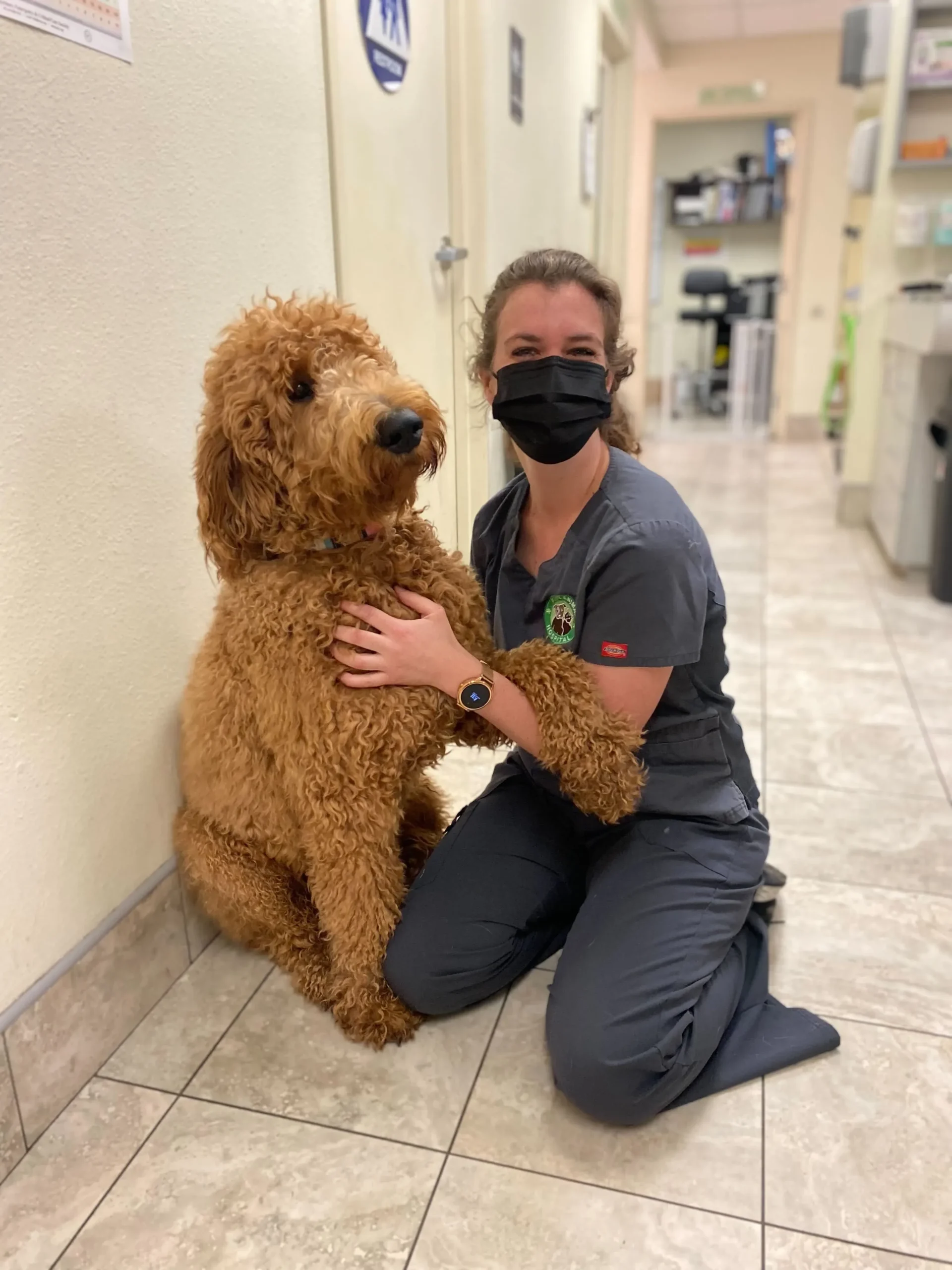
Pine Animal Hospital is dedicated to providing rapid emergency heart care for pets. Their services include:
- Immediate Triage and Stabilization: Pets are assessed quickly to determine the urgency of their condition.
- Advanced Diagnostic Capabilities: The hospital is equipped with state-of-the-art diagnostic tools to identify heart issues promptly.
- Emergency Treatments: A range of emergency treatments is available to stabilize pets in critical condition.
Which Diagnostic Procedures Help Identify Pet Heart Disease Quickly?
Identifying heart disease in pets often requires specific diagnostic procedures. Common methods include:
- Echocardiograms: These provide real-time images of the heart’s structure and function.
- ECGs: Electrocardiograms measure the electrical activity of the heart to identify irregularities.
- Blood Tests: These can help assess overall health and detect underlying issues.
How Do Echocardiograms and ECGs Detect Cardiac Problems in Pets?
Echocardiograms and ECGs are vital tools in diagnosing cardiac problems.
- Echocardiograms provide detailed images of the heart, allowing veterinarians to assess its size, shape, and function.
- ECGs measure the heart’s electrical activity, helping to identify arrhythmias or other abnormalities.
What Should You Expect During Emergency Cardiology Diagnostics?
During emergency cardiology diagnostics, you can expect:
- Initial Assessment: A thorough examination to evaluate your pet’s condition.
- Diagnostic Procedures: Various tests, including echocardiograms and ECGs, will be performed.
- Duration of Procedures: Most diagnostics can be completed within a few hours, depending on the complexity of the case.
What Are the Immediate Steps to Take If Your Pet Shows Emergency Cardiac Symptoms?
If your pet exhibits emergency cardiac symptoms, follow these immediate steps:
- Recognize the Signs: Be aware of the symptoms that indicate a cardiac emergency.
- Seek Immediate Veterinary Care: Contact your veterinarian or an emergency animal hospital without delay.
- Prepare for Transport: Ensure your pet is secure and calm for transport to the veterinary facility.
The importance of clear, consensus-based guidelines for veterinary CPR is widely recognized in emergency and critical care.
Veterinary CPR Guidelines for Emergency Cardiac Arrest
Cardiopulmonary arrest is common in veterinary emergency and critical care, and consensus guidelines are lacking. Human resuscitation guidelines , and veterinary literature support
Updates in the American Heart Association guidelines for cardiopulmonary resuscitation and potential applications to veterinary patients., 2012
How Can You Respond Effectively to Pet Cardiac Arrest Symptoms?
In the event of cardiac arrest, it is crucial to respond effectively:
- Check for Breathing and Pulse: Assess your pet’s condition immediately.
- Perform CPR if Necessary: If your pet is not breathing, perform CPR until help arrives.
- Transport to Emergency Vet: Get your pet to a veterinary facility as quickly as possible.
For comprehensive guidance on performing CPR and managing post-cardiac arrest care in pets, veterinary professionals often refer to established protocols.
RECOVER Guidelines for Dog & Cat CPR & Post-Arrest Care
of veterinary CPR including Prevention and Preparedness and Post-cardiac Arrest Care are to create a finalized set of consensus guidelines for CPR in dogs and cats, which appear in
2024 RECOVER Guidelines: Updated treatment recommendations for CPR in dogs and cats, 2024
Understanding the effectiveness and outcomes of CPR in veterinary hospitals is crucial for continuous improvement in emergency care.
Canine & Feline CPR Outcomes in Veterinary Hospitals
describe CPR outcomes and document arrest variables in dogs and cats at a US veterinary on uniform reporting of in-hospital cardiopulmonary arrest (IHCA) and CPR in dogs and cats
… of cardiopulmonary resuscitation performed in dogs and cats according to the RECOVER guidelines. Part 2: patient outcomes and CPR practice since guideline …, SN Hoehne, 2019
When Is It Critical to Call Emergency Vet Cardiology in Long Beach?
It is critical to call emergency vet cardiology services in Long Beach when:
- Severe Trauma: Any significant injury can impact heart function.
- Acute Poisoning: Exposure to toxins can lead to rapid deterioration.
- Respiratory Distress: Difficulty breathing is a serious concern that requires immediate attention.
How Does Emergency Cardiology Treatment Help Pets Recover?
Emergency cardiology treatment plays a vital role in helping pets recover from heart issues. Key aspects include:
- Common Emergency Treatments: Treatments may include intravenous fluid therapy, oxygen support, and pain management.
- Integrative Holistic Care: Combining traditional treatments with holistic approaches can enhance recovery.
- Preventive Wellness Exams: Regular check-ups can help identify potential heart issues before they become critical.
What Are Common Emergency Treatments for Pet Heart Disease?
Common emergency treatments for pet heart disease include:
- Intravenous Fluid Therapy: Helps stabilize pets experiencing fluid loss or dehydration.
- Oxygen Support: Provides necessary oxygen to pets struggling to breathe.
- Pain Management: Ensures comfort during treatment and recovery.
How Does Integrative Holistic Care Support Emergency Cardiology?
Integrative holistic care can support emergency cardiology by:
- Acupuncture: This can help relieve stress and improve circulation.
- Nutritional Counseling: Tailored diets can support heart health and overall well-being.
- Herbal Medicine: Certain herbs may provide additional support for heart function.
To further support your pet’s well-being, consider exploring integrative holistic care options.
How Can Preventive Wellness Exams Reduce the Risk of Pet Heart Emergencies?
Preventive wellness exams are essential for reducing the risk of pet heart emergencies. They allow for:
- Early Detection: Regular check-ups can identify heart issues before they escalate.
- Comprehensive Health Monitoring: Ongoing assessments help track your pet’s health over time.
- Cost-Effectiveness: Preventive care can save money by avoiding costly emergency treatments.
What Heart Health Checks Should You Schedule Regularly?
Regular heart health checks should include:
- Routine Wellness Exams: Annual check-ups can help monitor your pet’s overall health.
- Blood Tests and Health Screenings: These can detect underlying issues early.
- Dental Health Checks: Oral health is closely linked to heart health, making dental care essential.
Scheduling routine wellness exams is a proactive step in ensuring your pet’s long-term health.
How Does Early Detection Improve Emergency Outcomes for Pets?
Early detection of heart issues can significantly improve emergency outcomes for pets by:
- Timely Interventions: Addressing problems early can prevent complications.
- Preservation of Organ Function: Early treatment can help maintain overall health.
- Reduction of Complications: Identifying issues before they escalate can lead to better recovery rates.
Additionally, ensuring your pet receives timely vaccinations can contribute to their overall health and well-being.