Understanding Pet Cardiology at Pine Animal Hospital
Veterinary cardiology is a specialized field focused on diagnosing and treating heart conditions in pets, particularly dogs and cats. As pet owners, understanding the importance of cardiac health is crucial, as heart disease can significantly impact your pet’s quality of life. This article aims to provide valuable insights into veterinary cardiology services available in Long Beach, including common cardiac conditions, signs of heart disease, and tips for selecting the right specialist. By the end, you will be equipped with the knowledge to ensure your pet receives the best possible heart care.
Services Offered by Veterinary Cardiology Specialists
Veterinary cardiology specialists provide a range of services aimed at diagnosing and treating heart diseases in pets. These services include:
- Diagnosis and Treatment: Comprehensive evaluations to identify heart conditions and develop tailored treatment plans.
- Preventive Care: Regular check-ups and screenings to monitor heart health and prevent potential issues.
- Emergency Care: Immediate attention for pets experiencing acute cardiac problems.
At Pine Animal Hospital, we are dedicated to providing exceptional veterinary cardiology services to ensure your pet’s heart health is prioritized.
Common Cardiac Conditions in Pets

Understanding the common cardiac conditions that affect pets is essential for early detection and treatment. Some prevalent issues include:
These conditions can lead to serious health complications if not addressed promptly. Regular veterinary check-ups can help catch these issues early.
Tips for Selecting the Right Specialist
Choosing the right veterinary cardiologist is crucial for your pet’s health. Here are some tips to guide your decision:
- Check Qualifications: Ensure the specialist is board-certified in veterinary cardiology.
- Read Reviews: Look for testimonials from other pet owners to gauge the quality of care.
- Evaluate Services: Consider the range of services offered and whether they meet your pet’s specific needs.
Pine Animal Hospital is a trusted option in Long Beach, known for its qualified staff and comprehensive cardiac care services.
What Are the Common Signs of Heart Disease in Dogs and Cats?
Recognizing the signs of heart disease in pets can lead to early intervention and better outcomes. Common symptoms include:
- Coughing: Frequent coughing, especially after exercise or at night.
- Difficulty Breathing: Labored breathing or panting at rest.
- Lethargy: Decreased energy levels and reluctance to engage in normal activities.
Being vigilant about these signs can help you seek veterinary care promptly.
How Can You Recognize Dog Heart Disease Symptoms Early?

Early recognition of heart disease symptoms in dogs is vital for effective treatment. Key indicators include:
- Coughing After Exercise: A persistent cough that worsens with activity.
- Difficulty Breathing: Signs of distress or rapid breathing during rest.
- Decreased Exercise Tolerance: Reluctance to play or go for walks.
If you notice these symptoms, consult a veterinary cardiologist for a thorough evaluation.
What Are the Key Cat Cardiology Care Signs to Watch For?
Cats can also exhibit specific signs of heart disease. Pet owners should be aware of:
- Coughing: Unusual coughing or wheezing.
- Difficulty Breathing: Rapid or labored breathing, especially when resting.
- Fluid Retention: Swelling in the abdomen or limbs.
Prompt attention to these signs can lead to timely diagnosis and treatment.
How Do Veterinary Heart Specialists Diagnose Pet Heart Conditions?
Veterinary heart specialists utilize various diagnostic methods to assess heart health in pets. Common techniques include:
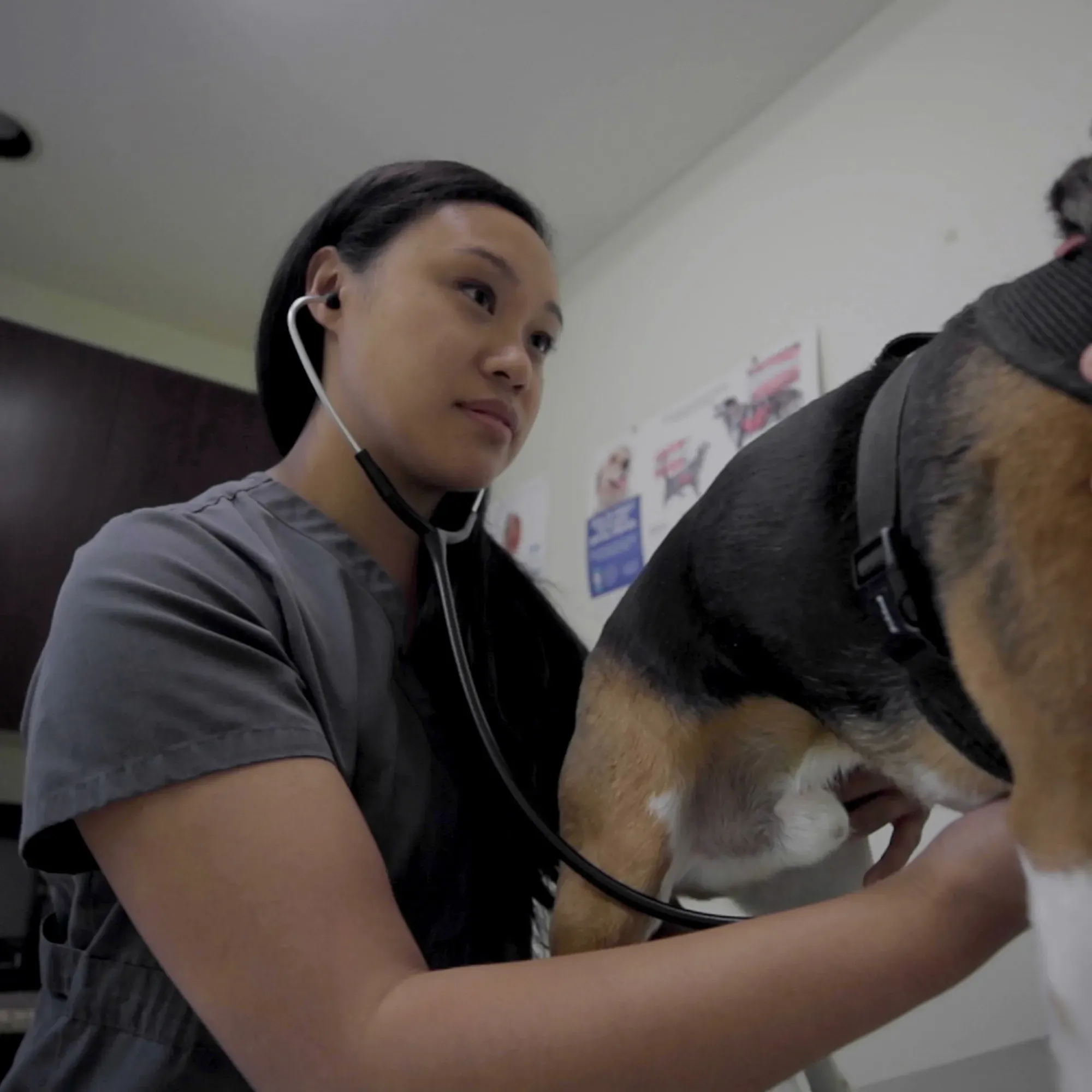
- Physical Examinations: Comprehensive assessments to identify heart murmurs or irregularities.
- Ultrasound Imaging: Echocardiograms provide detailed images of the heart’s structure and function.
- Blood Tests: Laboratory tests to evaluate overall health and detect underlying issues.
These diagnostic tools are essential for developing effective treatment plans.
What Is a Pet Echocardiogram and How Does It Work?
A pet echocardiogram is a non-invasive procedure that uses sound waves to create real-time images of the heart. This test helps veterinarians assess heart size, function, and any abnormalities. It is crucial for diagnosing conditions such as:
- Valvular Disease: Issues with heart valves that can lead to heart failure.
- Cardiomyopathy: A condition affecting the heart muscle’s ability to pump blood effectively.
Echocardiograms are vital for understanding your pet’s cardiac health.
When Should You Schedule a Cardiology Wellness Exam for Your Pet?
Scheduling regular cardiology wellness exams is essential for maintaining your pet’s heart health. Consider the following guidelines:
- Age Recommendations: Older pets should have annual exams, while younger pets may require less frequent visits.
- Signs of Heart Issues: If your pet exhibits any symptoms of heart disease, seek an evaluation immediately.
- Benefits of Regular Exams: Early detection can lead to more effective treatment and improved quality of life.
Regular check-ups at Pine Animal Hospital can help ensure your pet’s heart remains healthy.
What Treatment Options Do Long Beach Animal Cardiologists Offer?
Veterinary cardiologists in Long Beach provide various treatment options for heart disease, including:
- Medications: Prescriptions to manage symptoms and improve heart function.
- Surgery: Surgical interventions for severe cases, such as valve repair or replacement.
- Holistic Therapies: Complementary treatments that may enhance overall well-being.
These options are tailored to each pet’s specific needs and condition.
How Do Medications and Surgery Help Manage Pet Heart Disease?
Medications and surgery play crucial roles in managing pet heart disease. Medications can help:
- Relieve Symptoms: Improve quality of life by alleviating symptoms like coughing and difficulty breathing.
- Enhance Heart Function: Support the heart’s ability to pump blood effectively.
Surgical options may be necessary for severe conditions, providing a chance for recovery and improved health.
Can Holistic Cardiac Therapies Complement Traditional Care?
Holistic cardiac therapies can complement traditional veterinary care, offering additional support for heart health. Some options include:
- Cold Laser Therapy: Promotes healing and reduces inflammation.
- Acupuncture: May help alleviate symptoms and improve overall well-being.
- Preventive Measures: Dietary changes and supplements can support heart health.
Discussing these options with your veterinarian can help create a comprehensive care plan.
When Should You Seek Emergency Cardiac Care for Your Pet?
Recognizing when to seek emergency cardiac care is vital for your pet’s safety. Key signs include:
- Difficulty Breathing: Severe respiratory distress or inability to catch breath.
- Sudden Collapse: Loss of consciousness or inability to stand.
- Uncontrolled Bleeding: Any signs of significant blood loss.
If you observe these symptoms, contact a veterinary emergency service immediately.
What Are the Signs of a Pet Cardiac Emergency?
Signs of a cardiac emergency in pets can be life-threatening. Look for:
- Difficulty Breathing: Rapid or labored breathing, especially at rest.
- Seizures: Sudden convulsions or loss of consciousness.
- Sudden Collapse: Inability to stand or respond to stimuli.
Immediate veterinary attention is crucial in these situations.
How Does Pine Animal Hospital Support Emergency Heart Care?
Pine Animal Hospital is committed to providing comprehensive emergency heart care for pets. Our services include:
- 24/7 Emergency Services: Available around the clock for urgent cardiac issues.
- On-Site Diagnostics: Immediate access to diagnostic tools for rapid assessment.
- Compassionate Care: Our team prioritizes your pet’s comfort and well-being during emergencies.
For immediate attention to urgent cardiac issues, Pine Animal Hospital offers 24/7 emergency services.
Understanding Pet Cardiology at Pine Animal Hospital
Finding the right veterinary heart specialist involves careful consideration. Here are some steps to help you:
- Research Local Clinics: Look for clinics specializing in veterinary cardiology.
- Evaluate Qualifications: Ensure the specialist is board-certified and experienced.
- Assess Services Offered: Confirm that the clinic provides the necessary diagnostic and treatment options.
By following these steps, you can find a qualified specialist to care for your pet’s heart health.
What Should You Look for in a Long Beach Animal Cardiologist?
When selecting a Long Beach animal cardiologist, consider the following criteria:
- Check Qualifications: Look for board certification in veterinary cardiology.
- Read Reviews: Seek feedback from other pet owners about their experiences.
- Emergency Services Availability: Ensure the clinic can handle urgent cardiac issues.
These factors will help you choose a cardiologist who meets your pet’s needs.
How to Schedule an Appointment for Your Pet’s Cardiac Care?
Scheduling an appointment for your pet’s cardiac care is straightforward. Follow these steps:
- Contact the Clinic: Call Pine Animal Hospital at 562-912-7463 to discuss your pet’s needs.
- Provide Necessary Information: Be ready to share your pet’s medical history and any symptoms observed.
- Prepare for the Visit: Bring any relevant medical records and be prepared to discuss your concerns.
Taking these steps will ensure a smooth appointment process for your pet’s cardiac evaluation.
To ensure your pet receives comprehensive care, consider exploring the integrative and holistic care options available at Pine Animal Hospital.