
By Dr. Steve Manyak, Pine Animal Hospital
In the realm of pet care, recognizing emergencies promptly can be the difference between life and death for your furry friend. This comprehensive guide focuses on critical symptoms that require immediate attention, essential first aid protocols, and safe transport methods. You will learn how to spot signs of distress in pets, take immediate actions to provide first aid, and ideally transport them to a veterinary facility without causing unnecessary stress. Many pet owners overlook urgent symptoms, thinking their pets do not require assistance, ultimately delaying vital care. Through this guide, you can empower yourself with knowledge on recognizing emergencies in pets and responding effectively.
We will delve into recognizing critical symptoms, detailing first aid steps, and discussing safe transport methods for pets in distress. This empowers you to act quickly and find necessary care while ensuring your pet’s well-being.
Recognizing Critical Symptoms in Pets:
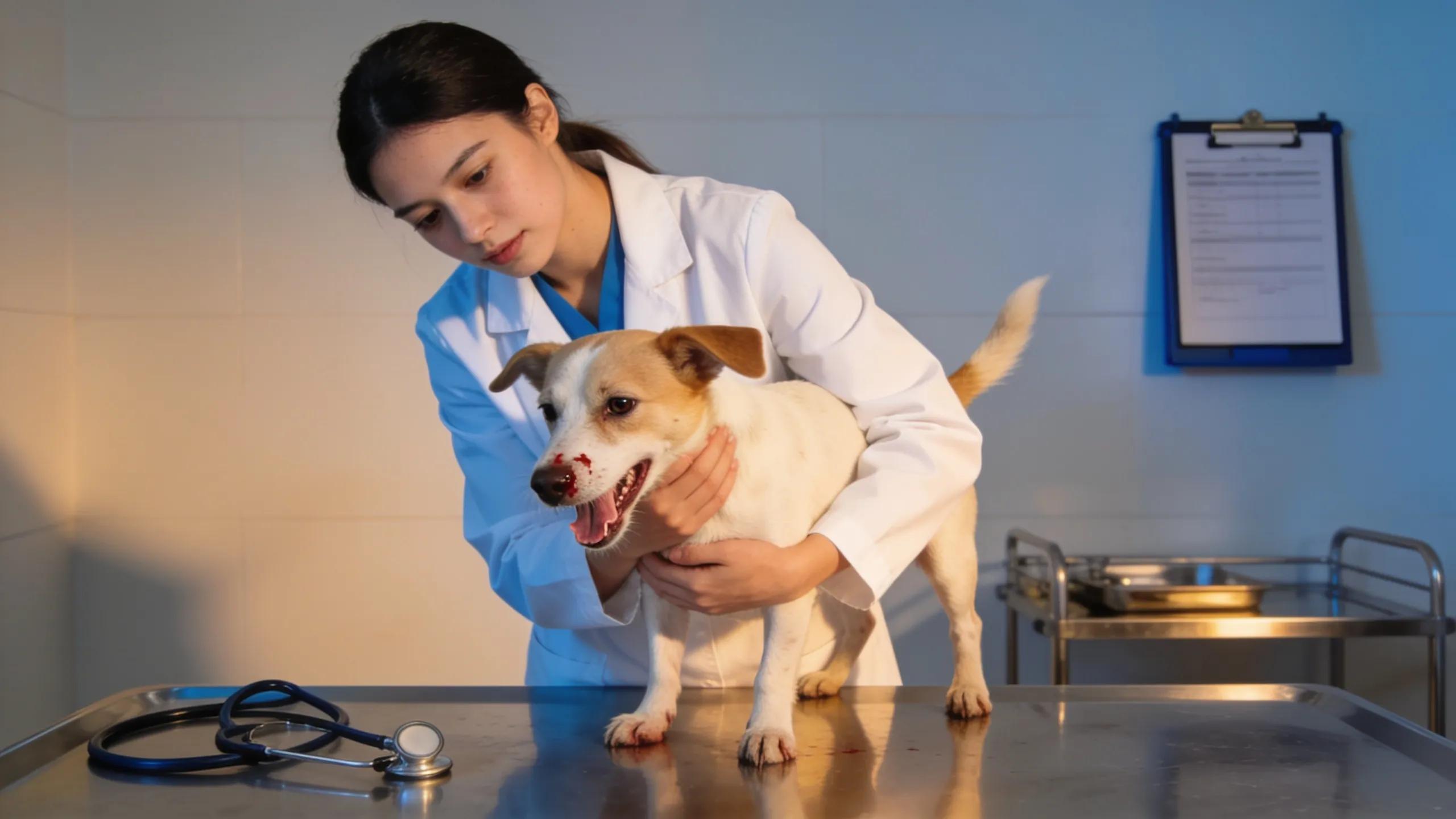
Identifying critical symptoms in pets is vital for enabling timely intervention. Emergency situations often present with specific signs indicating a pet is in distress, necessitating urgent care.
What Are the Critical Emergency Symptoms to Recognize in Pets?
Critical emergency symptoms can manifest in various ways, and it’s important for pet owners to be vigilant. Common signs include:
- Difficulty Breathing: A pet gasping for air or breathing rapidly can indicate serious respiratory issues.
- Persistent Vomiting or Diarrhea: This can result in dehydration and signal underlying health conditions.
- Unconsciousness or Disorientation: If a pet is unresponsive or seems confused, immediate veterinary care is crucial.
Being aware of these symptoms allows for swift action, which can save a pet’s life.
How Can Owners Identify Early Signs of Pet Emergencies?
Recognizing early signs of a pet emergency is crucial for effective intervention. Owners should observe for signs such as:
- Changes in Behavior: A normally active pet suddenly becoming lethargic can signal health problems.
- Excessive Scratching or Licking: This could indicate allergies or skin infections.
- Loss of Appetite: A drop in food intake over 24 hours may indicate illness.
Being vigilant about these indicators can lead to early diagnosis and treatment, improving outcomes.
Which Symptoms Require Immediate Veterinary Urgent Care?
Some symptoms mandate immediate veterinary attention due to their severe implications. It is imperative to act swiftly if you notice:
- Severe Bleeding: This can quickly lead to shock if not addressed immediately.
- Seizures: A pet having a seizure may need urgent medical care to prevent injurious complications.
- Signs of Pain: Such as whimpering, growling, or aggressive behavior may indicate serious issues requiring prompt evaluation.
Understanding these urgent signals can facilitate timely veterinary intervention.
Essential First Aid Steps:
Administering first aid to pets in emergencies can influence their outcomes significantly. Knowing correct procedures is essential for any pet owner.
What Are Step-by-Step Actions for Effective Pet First Aid?
When faced with a pet emergency, follow these essential first aid steps:
- Evaluate the Situation: Check for breathing, felt pulse, and responsiveness; ensure safety for both you and your pet.
- Control Bleeding: Apply pressure with a clean cloth to the wound. If bleeding is severe, seek veterinary care immediately.
- Rescue Breathing: If your pet is not breathing, you may need to deliver rescue breaths.
These steps can stabilize your pet until professional help is available.
When Should Integrative Holistic Treatments Be Considered in Emergencies?
Integrative holistic treatments can play a vital role alongside conventional emergency care. Consider them when facing situations such as:
- Minor Injuries: Where swelling and inflammation are present, natural remedies may enhance recovery alongside other treatments.
- Anxiety Reduction: Holistic methods, such as acupuncture or herbal support, can help calm pets stressed during emergencies.
These treatments should complement, not replace, conventional veterinary care.
Safe Transport for Animals in Distress:

Transporting an injured pet requires meticulous care to prevent exacerbating the situation.
How Can I Safely Transport My Pet During an Emergency?
To ensure safe transport during an emergency, follow these guidelines:
- Use a Sturdy Carrier: Secure the pet in a carrier that prevents movement, safeguarding them during transport.
- Maintain Comfort: Use blankets to provide warmth and cushioning to avoid further injury.
- Drive Carefully: Keep your pet steady and avoid sudden stops or sharp turns.
A calm, secure transport reduces stress for both you and your pet.
What Are the Best Practices for Emergency Pet Transport Safety?
Adhering to best practices enhances safety during pet transport. Key measures include:
- Avoid Loose Collars: These can pose choking hazards; ensure they fit appropriately.
- Travel with a Helper: Having a passenger can help manage the pet during the trip, maintaining focus on driving.
- Know the Route: Familiarize yourself with the quickest path to the veterinary emergency center to minimize travel time.
Implementing these practices promotes a safe environment for your pet during transport.
Which Equipment and Procedures Ensure Stress-Free Pet Transport?
Utilizing the right tools and strategies can make transport smoother. Essential items include:
Ensuring you have the necessary resources aids in a quick response, contributing to your pet’s safety and comfort.
What Are the Key Indicators for Urgent Veterinary Attention?
Familiarity with key indicators that necessitate veterinary care is crucial. Some vital signs include:
- Persistent Pain: If signs of pain persist, immediate evaluation is warranted.
- Inability to Stand: Difficulty in standing or walking often requires urgent intervention.
- Signs of Shock: Symptoms such as rapid pulse, shallow breathing, and pale gums should alarm the owner to act quickly.
Understanding these indicators ensures that your pet receives appropriate care without delay.
Integrating Holistic Recovery Care at Pine Animal Hospital
Integrative holistic veterinary care can enhance recovery during emergencies. This approach utilizes various methods—nutrition, acupuncture, and nutritional supplements—that can complement traditional veterinary practices, aiding faster healing and recovery.
Emergency situations involving pets can be daunting. Being informed about critical symptoms, taking appropriate first aid measures, and knowing how to manage safe transport can equip you, as a pet owner, to respond effectively in emergencies. For ongoing support, you can always contact our team at Pine Animal Hospital for professional guidance.