State-of-the-Art Veterinary Equipment for Optimal Care
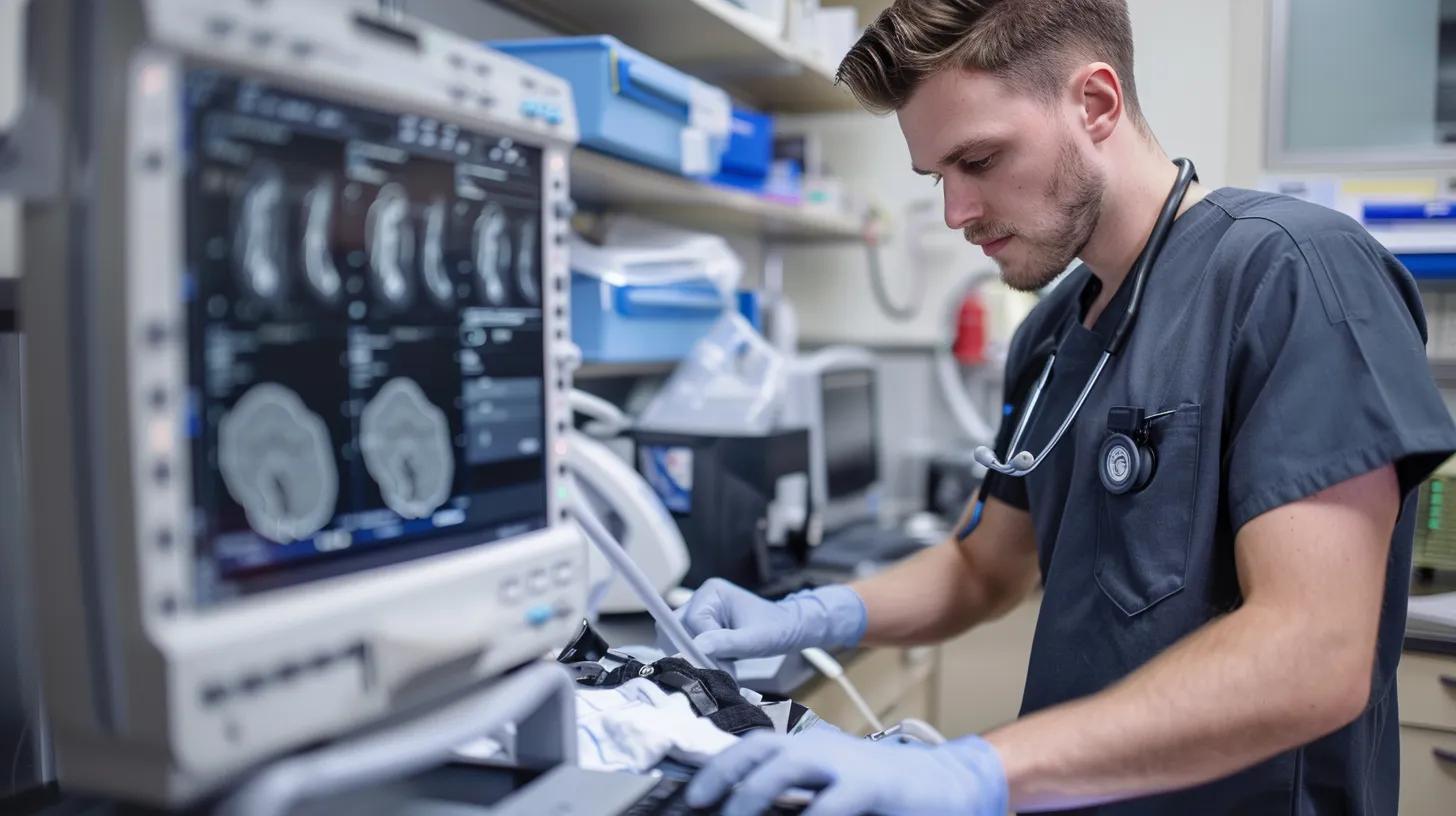
Advanced Veterinary Technology Benefits at Pine Animal Hospital
Could your pet benefit from diagnostic imaging and treatment options once found only in specialist human hospitals? At Pine Animal Hospital in Long Beach, CA, state-of-the-art tools combine with compassionate expertise to reveal hidden conditions, accelerate diagnoses, and support personalized care plans. In this article, you will discover what advanced veterinary technology entails, explore how digital radiography, ultrasound, laser therapy, in-house laboratory services, and modern surgical techniques elevate pet health outcomes, and learn how a locally owned, veterinarian-led facility integrates cutting-edge diagnostics with transparent, individualized care. By the end, you’ll understand the mechanisms behind each modality, the specific benefits for your pet, and the reasons Pine Animal Hospital stands out for comprehensive, high-tech, and heart-centered veterinary services.
What Is Advanced Veterinary Technology and How Does It Benefit Your Pet?
Advanced veterinary technology encompasses diagnostic and therapeutic equipment that delivers higher-resolution images, faster results, and less invasive treatments than conventional methods. By leveraging digital imaging, sound-wave visualization, laser energy, and rapid in-house testing, practitioners can identify issues such as fractures, organ dysfunction, or inflammation long before they manifest clinically. For example, early detection of a small mass via abdominal ultrasound can enable prompt surgical planning, reducing recovery time and improving long-term prognosis. This combination of precise diagnostics and targeted treatments enhances pet comfort and supports proactive wellness.
Which cutting-edge diagnostic tools are used at Pine Animal Hospital?
- Digital radiography machines for high-resolution skeletal and soft-tissue imaging
- Dental X-ray units for detailed intraoral assessments
- High-frequency ultrasound systems for real-time organ and cardiac visualization
- Echocardiogram instrumentation to evaluate heart structure and blood flow
- In-house laboratory analyzers for rapid blood counts, chemistry panels, and urinalysis
Each device shortens the time from symptom presentation to definitive diagnosis, empowering clinicians to design personalized intervention strategies that improve pet comfort and accelerate recovery.
How does advanced technology improve pet health outcomes?
Integrated technologies reduce diagnostic uncertainty by combining visual data with laboratory results and clinical expertise. Faster image acquisition limits sedation time and stress for pets, while immediate lab results guide on-the-spot decision making. Early identification of conditions like arthritis, kidney dysfunction, or gastrointestinal foreign bodies allows for minimally invasive interventions that preserve quality of life. Building on precise diagnostics, treatment plans can target underlying causes rather than simply managing symptoms, promoting more durable health improvements and peace of mind for owners.
Why choose a locally owned, veterinarian-led hospital for advanced care?
A locally owned, veterinarian-led hospital ensures that clinical decisions prioritize patient needs over corporate metrics. With leadership by Dr. Steve Manyak and a team dedicated to transparency, every imaging result and test finding is explained clearly so owners can make informed choices. Personalized care plans reflect each pet’s unique history and lifestyle, supported by high-tech equipment housed within a compassionate environment. This combination of technical excellence and client education fosters trust, continuity of care, and better long-term outcomes.
How Does Digital Radiography for Pets Work and What Are Its Benefits?
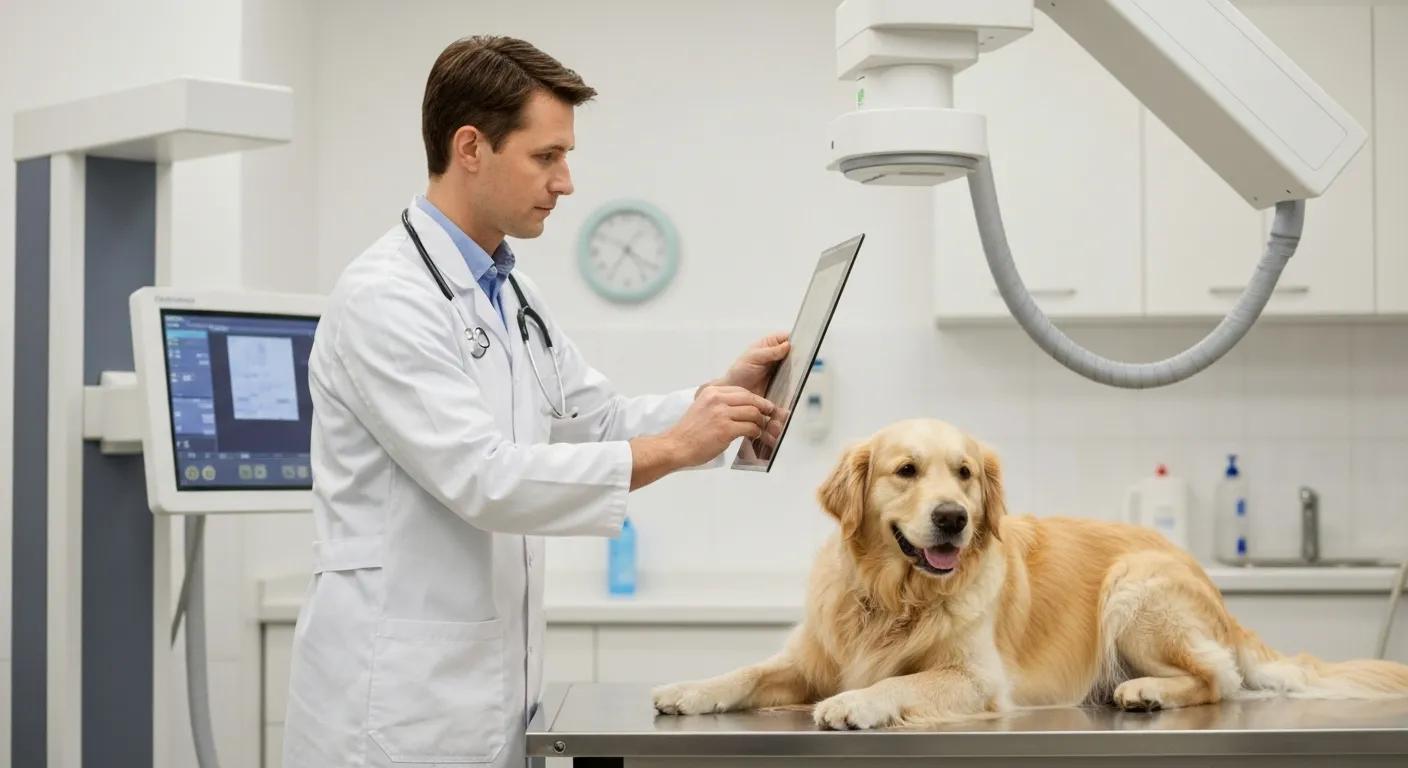
Digital radiography uses electronic sensors to capture X-ray images, converting them instantly into high-resolution digital files. By replacing film with digital detectors, radiation exposure is reduced and image adjustments can be performed in real time, enhancing contrast and detail. For example, a digital radiograph of a suspected fracture reveals microfractures invisible on traditional film, enabling early stabilization and faster healing. The speed and clarity of this technology improve diagnostic confidence while minimizing pet stress.
What is digital radiography and how is it different from traditional X-rays?
Digital radiography employs flat-panel detectors that translate X-ray photons into digital signals. Unlike conventional film, which requires chemical processing, digital systems display images within seconds and allow on-screen magnification and annotation. This mechanism reduces retakes, cuts radiation doses by up to 50 percent, and supports a seamless workflow where images can be shared electronically for specialist consultation without delay.
Before comparing these approaches, consider the following table:
| Imaging Technique | Radiation Exposure | Image Acquisition Time |
|---|---|---|
| Digital Radiography | Low per exposure | Instant preview in seconds |
| Traditional Film X-ray | Higher per film | Minutes for processing |
This comparison highlights how lower exposure and rapid image availability at Pine Animal Hospital translate into safer, more efficient diagnoses that pave the way for timely treatment.
Which pet conditions can digital radiography diagnose effectively?
Digital radiography excels at detecting:
- Bone fractures and joint abnormalities
- Degenerative joint disease such as arthritis
- Dental and jaw conditions via intraoral imaging
- Identification of swallowed foreign bodies
- Thoracic and abdominal masses or fluid
These high-definition images guide veterinarians in crafting targeted treatment plans, whether medical management for arthritis or surgical repair for fractures, ultimately supporting faster recovery and improved mobility.
Is digital radiography safe and comfortable for pets?
Yes, modern digital systems use significantly lower radiation doses and rapid capture minimizes the time a pet must remain still. Sedation requirements are reduced, lowering procedural stress and improving patient comfort. Temperature-controlled tables and gentle handling techniques further ensure that pets undergo imaging with minimal anxiety, reinforcing a positive diagnostic experience.
Why trust Pine Animal Hospital for digital radiography services?
Pine Animal Hospital integrates digital radiography within a broader diagnostic strategy that includes ultrasound, echocardiography, and in-house laboratory testing. Experienced veterinarians interpret every image using advanced software tools and collaborate on personalized care plans. Owners receive clear explanations of findings and step-by-step guidance on next steps, reflecting the hospital’s commitment to both cutting-edge technology and compassionate education.
Advanced Veterinary Technology Benefits at Pine Animal Hospital
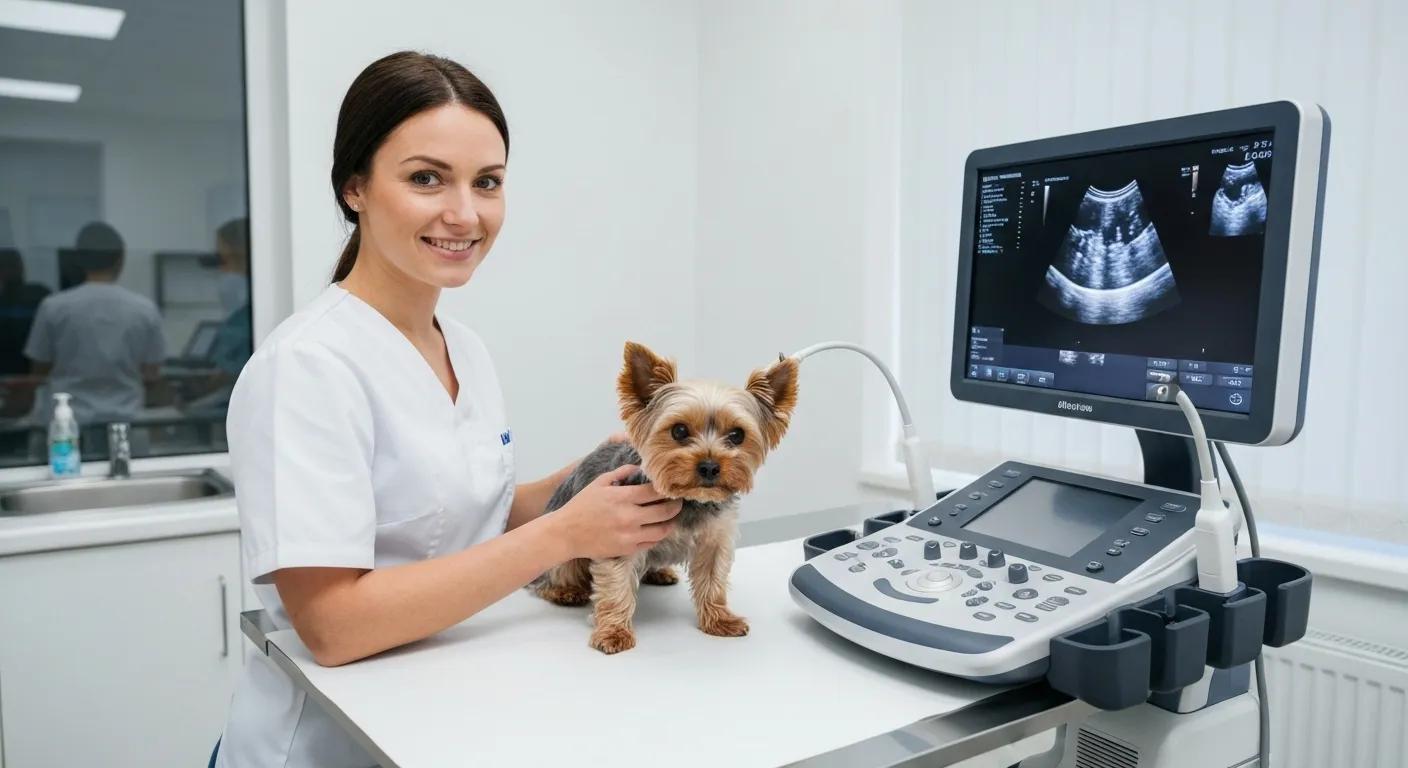
Veterinary ultrasound uses high-frequency sound waves to create real-time images of soft tissues and internal organs. A hand-held transducer emits pulses that reflect off anatomical structures, producing dynamic visualizations without ionizing radiation. For instance, ultrasound can monitor fetal development in pregnant animals or assess liver function by detecting changes in tissue texture. This non-invasive method supports early diagnosis of organ disease, fluid accumulation, and soft-tissue abnormalities.
How does veterinary ultrasound work for pets?
Ultrasound operates on the principle of piezoelectricity, where crystals in the transducer generate sound waves in response to electrical signals and convert returning echoes into electrical impulses for image formation. Technicians apply a water-based gel to ensure optimal contact and move the probe across the skin surface, yielding continuous streams of images that capture movement, blood flow, and organ contours. This mechanism allows comprehensive evaluation of abdominal organs, the heart, and superficial structures without discomfort or radiation exposure.
What conditions can abdominal ultrasound and echocardiograms detect?
Ultrasound and echocardiography identify:
- Tumors or cysts in organs such as liver, spleen, and kidneys
- Fluid buildup in the abdomen or chest cavities
- Cardiac chamber size, valve function, and blood flow dynamics
- Pregnancy status and fetal health monitoring
- Inflammatory or obstructive gastrointestinal conditions
By detecting these issues early, veterinarians can implement medical or surgical interventions tailored to each condition and monitor progress through follow-up imaging.
Before reviewing detailed capabilities, consider this overview:
| Organ Area | Condition Detected | Imaging Benefit |
|---|---|---|
| Abdomen | Masses, fluid, organ size anomalies | Real-time visualization |
| Heart | Valve defects, chamber enlargement | Dynamic motion assessment |
| Soft Tissue | Inflammation, abscesses, cysts | Non-invasive structural detail |
This table illustrates how focused ultrasound scans at Pine Animal Hospital inform precise diagnoses and support proactive intervention strategies.
How does ultrasound complement other diagnostic tools?
Ultrasound findings often guide targeted radiographic views or laboratory testing to confirm suspected conditions. For example, fluid detected around the heart on echocardiogram may prompt specific blood tests to evaluate heart disease markers. Combining modalities ensures a comprehensive diagnostic picture, reducing the likelihood of overlooked issues and enhancing treatment effectiveness.
Why is Pine Animal Hospital a leader in pet ultrasound services in Long Beach?
Equipped with high-resolution ultrasound machines and staffed by veterinarians skilled in scanning techniques, Pine Animal Hospital provides detailed organ and cardiac assessments that few general practices can match. Real-time consultations during imaging sessions allow immediate discussion of findings, reinforcing the hospital’s dedication to transparent client education and individualized care.
Advanced Veterinary Technology Benefits at Pine Animal Hospital
Therapeutic laser therapy uses non-thermal light energy to penetrate tissues and stimulate cellular regeneration, reduce inflammation, and relieve pain without medications. By targeting injured or arthritic areas with specific wavelengths, laser energy promotes increased circulation, collagen production, and lymphatic drainage. For example, pets with chronic arthritis often experience noticeable mobility improvements after a series of laser sessions, enabling a return to daily activities with less discomfort.
What is therapeutic laser therapy and how does it work?
During laser therapy, a calibrated device emits light photons that penetrate skin and soft tissues. These photons are absorbed by mitochondria in cells, triggering biochemical cascades that enhance adenosine triphosphate production and reduce pro-inflammatory mediators. This mechanism accelerates tissue repair, alleviates stiffness, and supports long-term joint health without the side effects of systemic medications.
Which pet conditions benefit most from laser therapy?
Common applications include:
- Chronic osteoarthritis and joint pain
- Post-surgical incision healing
- Acute soft-tissue injuries such as sprains and strains
- Inflammatory skin conditions and wound management
- Dental healing after extractions or periodontal surgery
These treatments often complement rehabilitation exercises and nutrition plans, maximizing overall pain control and functional recovery.
How many sessions are typically needed for effective pain management?
Most pets require an initial series of 6 to 10 sessions, scheduled two to three times per week. Each session lasts five to ten minutes per treatment area, with improvements often noticeable by the third visit. Maintenance treatments every few weeks help sustain benefits for chronic conditions, supporting ongoing comfort and mobility.
Why choose Pine Animal Hospital for veterinary laser therapy in Long Beach?
Pine Animal Hospital’s laser unit is calibrated for veterinary tissues, ensuring optimal penetration and therapeutic dose delivery. Certified technicians administer treatments under veterinarian supervision and integrate laser therapy within holistic pain management plans. Owners receive clear guidance on combining therapies, reinforcing trust through transparent communication and measurable outcomes.
What In-House Laboratory Services Are Available for Rapid Pet Diagnostics?
In-house laboratory services provide same-visit blood counts, chemistry panels, urinalysis, and disease screening, enabling clinicians to pair imaging findings with biochemical data on the spot. Rapid laboratory diagnostics support immediate treatment decisions for emergencies, routine wellness exams, and monitoring chronic conditions. For instance, a pet showing early signs of kidney dysfunction benefits from immediate blood work that guides hydration therapy and dietary adjustments before clinical decline.
Which diagnostic tests are performed on-site at Pine Animal Hospital?
On-site tests include:
- Complete blood count for anemia, infection, and clotting status
- Serum chemistry panel to assess organ function and electrolyte balance
- Urinalysis for urinary tract infection and kidney health monitoring
- Infectious disease screens such as tick-borne panels
- Fecal parasite examinations for gastrointestinal health
These services accelerate diagnosis and reduce the stress of multiple visits by delivering results during the same appointment.
How do in-house lab results speed up diagnosis and treatment?
Immediate laboratory data close the gap between testing and therapy initiation. When lab results confirm dehydration or electrolyte imbalances, intravenous fluids can begin without delay. This rapid feedback loop shortens hospital stays, lowers treatment costs over time, and enhances overall recovery trajectories by addressing underlying issues promptly.
What diseases and conditions can be detected early with in-house diagnostics?
Early detection capabilities include:
- Kidney and liver dysfunction
- Diabetes mellitus and endocrine disorders
- Anemia and blood clotting abnormalities
- Infectious diseases such as Lyme or ehrlichiosis
- Parasite infestations affecting intestinal health
Timely screening and monitoring lead to proactive disease management and improved long-term outcomes for chronic conditions.
How does Pine Animal Hospital ensure accuracy and reliability in lab testing?
Highly trained technicians follow strict quality control protocols, calibrating analyzers daily and validating results against control samples. This commitment to precision, combined with immediate veterinarian review, maintains confidence in test accuracy and supports sound clinical decision making.
What Advanced Surgical Equipment and Techniques Enhance Pet Surgery Outcomes?
Advanced surgical equipment encompasses real-time anesthesia monitoring, high-definition endoscopes, ultrasonic scalpels, and minimally invasive instruments that reduce tissue trauma. Integrating these tools with comprehensive pre-surgical imaging and lab data allows surgical teams to plan precise interventions that minimize pain and accelerate recovery. For example, laparoscopic procedures for spay surgeries often result in smaller incisions, less bleeding, and faster return to normal activity compared to open techniques.
What specialized surgical tools and monitoring equipment are used?
Surgical suites feature:
- Multi-parameter monitors for heart rate, oxygen saturation, and blood pressure
- Ultrasonic vessel-sealing devices that cut and coagulate with minimal thermal spread
- High-definition endoscopes for minimally invasive laparoscopy and thoracoscopy
- Electrosurgical units for controlled tissue dissection and hemostasis
This advanced instrumentation maintains physiological stability during complex procedures and enhances surgical precision.
How do minimally invasive surgeries benefit pets?
Minimally invasive techniques reduce incision size, pain, and risk of infection. Pets typically experience reduced analgesic requirements and shorter hospitalization periods, enabling a quicker return to normal behaviors. Enhanced visualization through endoscopic cameras also allows surgeons to inspect adjacent structures, lowering the chance of missed abnormalities and improving long-term surgical success.
Which types of soft tissue and orthopedic surgeries are performed or referred?
Procedures offered or coordinated by Pine Animal Hospital include:
- Soft tissue surgeries such as mass removals, gastrointestinal explorations, and hernia repairs
- Basic orthopedic interventions like fracture repairs and joint stabilizations
- Referral coordination for specialized orthopedic procedures requiring advanced implants or plates
This comprehensive approach ensures that pets receive the optimal surgical solution, whether managed in-house or via trusted specialty partners.
Why trust Pine Animal Hospital for advanced surgical care in Long Beach?
Combining pre-operative imaging, rapid laboratory diagnostics, and cutting-edge surgical tools under veterinarian leadership guarantees meticulous planning and execution. Constant monitoring during anesthesia and multi-disciplinary postoperative support deliver both safety and comfort. Owners receive clear post-care instructions and ongoing access to the same team that performed the surgery, fostering continuity and confidence in outcomes.
How Does Pine Animal Hospital Integrate Advanced Technology with Compassionate Pet Care?
An integrated care model at Pine Animal Hospital combines diagnostic precision with personalized attention. From the moment an imaging study is ordered, veterinarians explain each step, discuss possible findings, and engage owners in decision making. This transparency builds trust and reduces anxiety, ensuring that pets receive not only high-tech diagnostics but also human-centered support throughout diagnosis and treatment.
How are pet owners educated about diagnostic and treatment options?
Educational sessions accompany every advanced procedure, where veterinarians review images or lab results and outline treatment pathways. Visual aids and simple analogies help owners grasp complex concepts, enabling informed consent and active participation in care plans. This emphasis on client understanding empowers owners to monitor progress and reinforce therapies at home.
What role do clinical trials like the Idexx CancerDx Study play in advanced diagnostics?
Participation in clinical research such as the CancerDx Study grants access to cutting-edge assays that detect cancer biomarkers earlier than conventional tests. These pioneering diagnostics complement imaging modalities, offering a more complete picture of a pet’s health status. By contributing to research, Pine Animal Hospital stays at the forefront of innovation, translating breakthroughs into improved patient care.
How does Pine Animal Hospital personalize care plans using advanced technology?
Individualized treatment plans emerge from combining imaging insights, lab data, and patient history. Tailored medication protocols, physical therapy schedules, and nutritional recommendations reflect each pet’s unique condition, lifestyle, and owner goals. This bespoke approach maximizes therapeutic efficacy and aligns with the hospital’s philosophy of compassionate, patient-centered medicine.
How can pet owners schedule appointments for advanced veterinary services?
To arrange diagnostic imaging or treatments, owners are invited to contact Pine Animal Hospital’s care team in Long Beach, CA. A coordinated scheduling process ensures all pre-appointment requirements are explained, creating a seamless, reassuring experience from initial consultation through follow-up care.
Pine Animal Hospital’s blend of high-tech equipment, expert clinicians, and transparent communication delivers the best of both worlds: the precision of cutting-edge veterinary technology and the warmth of compassionate, personalized care. Whether diagnosing subtle organ changes with ultrasound or managing pain through laser therapy, every service emphasizes pet comfort, owner education, and improved health outcomes. Schedule an appointment today to experience how advanced diagnostics and treatments can support your pet’s well-being and longevity.