How Regular Dental Cleanings Can Improve Your Pet’s Overall Health and Longevity
By Dr. Steve Manyak, Pine Animal Hospital
Regular dental cleanings are essential for maintaining your pet’s overall health and extending their lifespan. Professional dental care helps remove plaque and tartar, preventing oral diseases that can lead to more serious health issues. Dental health plays a crucial role in your pet’s vitality, as poor oral hygiene can contribute to systemic health problems. This article will explore the benefits of professional pet dental cleanings, the mechanisms through which they promote health, and important signs of dental disease that pet owners should be aware of. Topics will also cover the timing of veterinary dental exams, the process for safe cleaning, and how at-home dental care can enhance professional treatments.
What Are the Key Benefits of Professional Pet Dental Cleanings?
Professional pet dental cleanings offer numerous benefits that significantly enhance your pet’s wellbeing and longevity. Regular cleanings can help prevent oral diseases, which are often linked to systemic issues affecting the heart, liver, and kidneys. Improved dental health contributes to better overall health, ensuring your pet can enjoy an active and happy life. Furthermore, effective dental care can lead to improved nutritional intake, as pets with healthy mouths are more likely to eat comfortably and thrive.
The next section will discuss how dental cleanings specifically prevent pet dental disease.
How Do Dental Cleanings Prevent Pet Dental Disease?
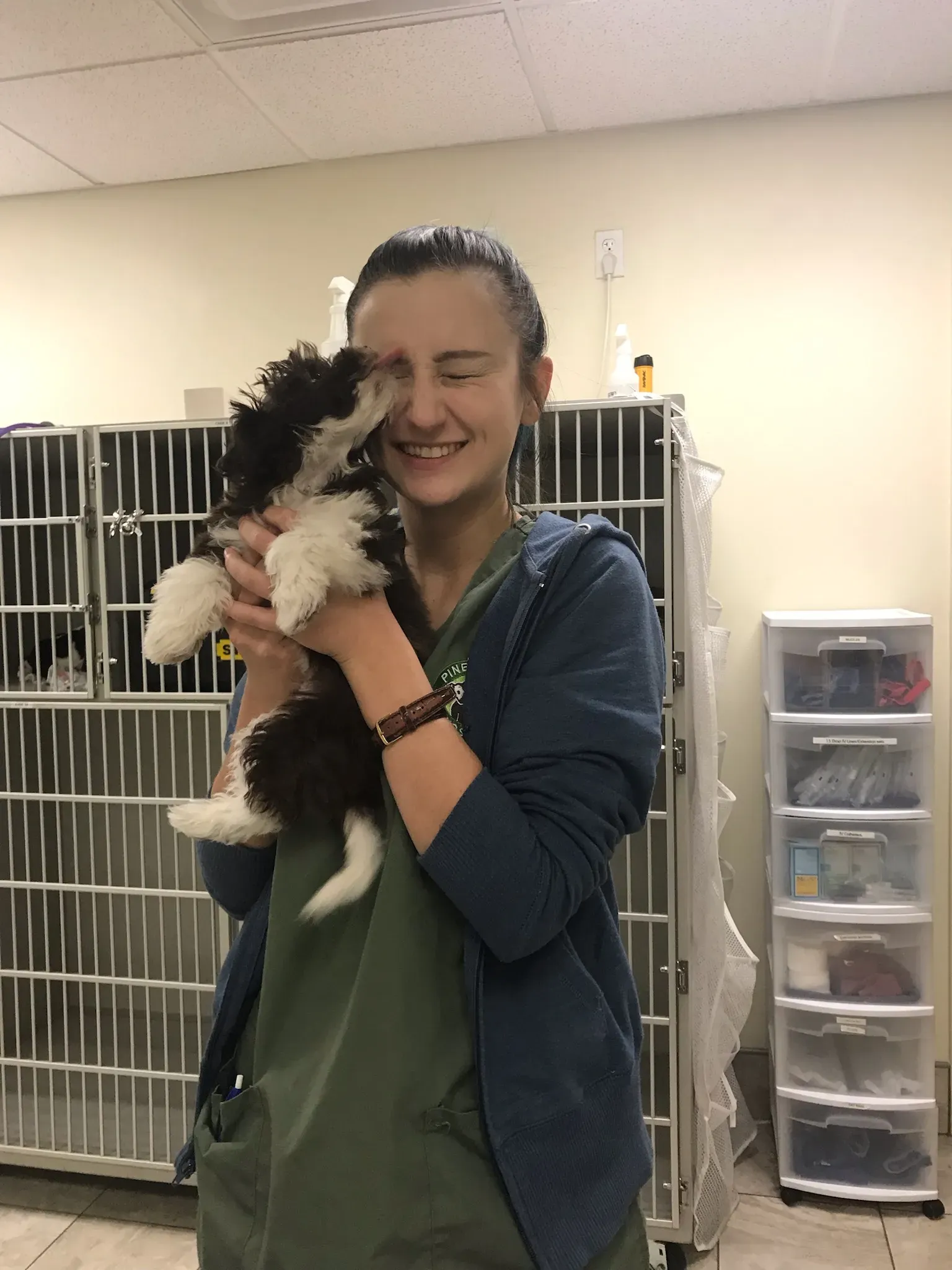
Dental cleanings are critical in preventing dental diseases such as gingivitis and periodontal disease. By thoroughly removing plaque and tartar, dental professionals disrupt the cycle of bacteria that can lead to inflammation and infection in the gums. This proactive care significantly lowers the chances of systemic inflammation, which can affect other bodily systems. Maintaining regular cleanings ensures that your pet’s oral health remains optimal, which in turn supports their overall health.
In What Ways Do Cleanings Enhance Your Pet’s Longevity?
Dental cleanings contribute positively to your pet’s longevity by preventing periodontal disease, which, if left untreated, can lead to severe health consequences. Taking care of your pet’s dental hygiene reduces risks of heart disease, liver complications, and other systemic health issues. Moreover, a healthy mouth leads to improved immune function, allowing your pet to better fight off infections and diseases.
Research further emphasizes the significant link between periodontal disease and various systemic health issues in dogs.
Periodontal Disease and Systemic Health in Dogs
Objective—To determine whether severity of periodontal disease (PD) was associated with systemic health indices in dogs and whether treatment of PD altered systemic health indices. Association of periodontal disease with systemic health indices in dogs and the systemic response to treatment of periodontal disease, 2011
Pet Dental Health and Longevity: Insights from Pine Animal Hospital
Understanding the signs of gum disease is essential for ensuring your pet’s health. Common indicators include persistent bad breath, red or swollen gums, and difficulty eating. If your pet shows any of these signs, it is vital to schedule a veterinary dental exam promptly. Early detection of dental disease allows for effective treatment and can prevent further complications.
- Persistent Bad Breath: Often the first sign of dental disease, signifying potential buildup of bacteria.
- Red or Swollen Gums: Indicates inflammation and possible periodontal disease.
- Difficulty Eating: May suggest pain in the mouth or teeth, necessitating veterinary attention.
Recognizing these signs can lead to timely intervention, helping to maintain your pet’s health.
When Should You Schedule a Veterinary Dental Exam for Your Pet?
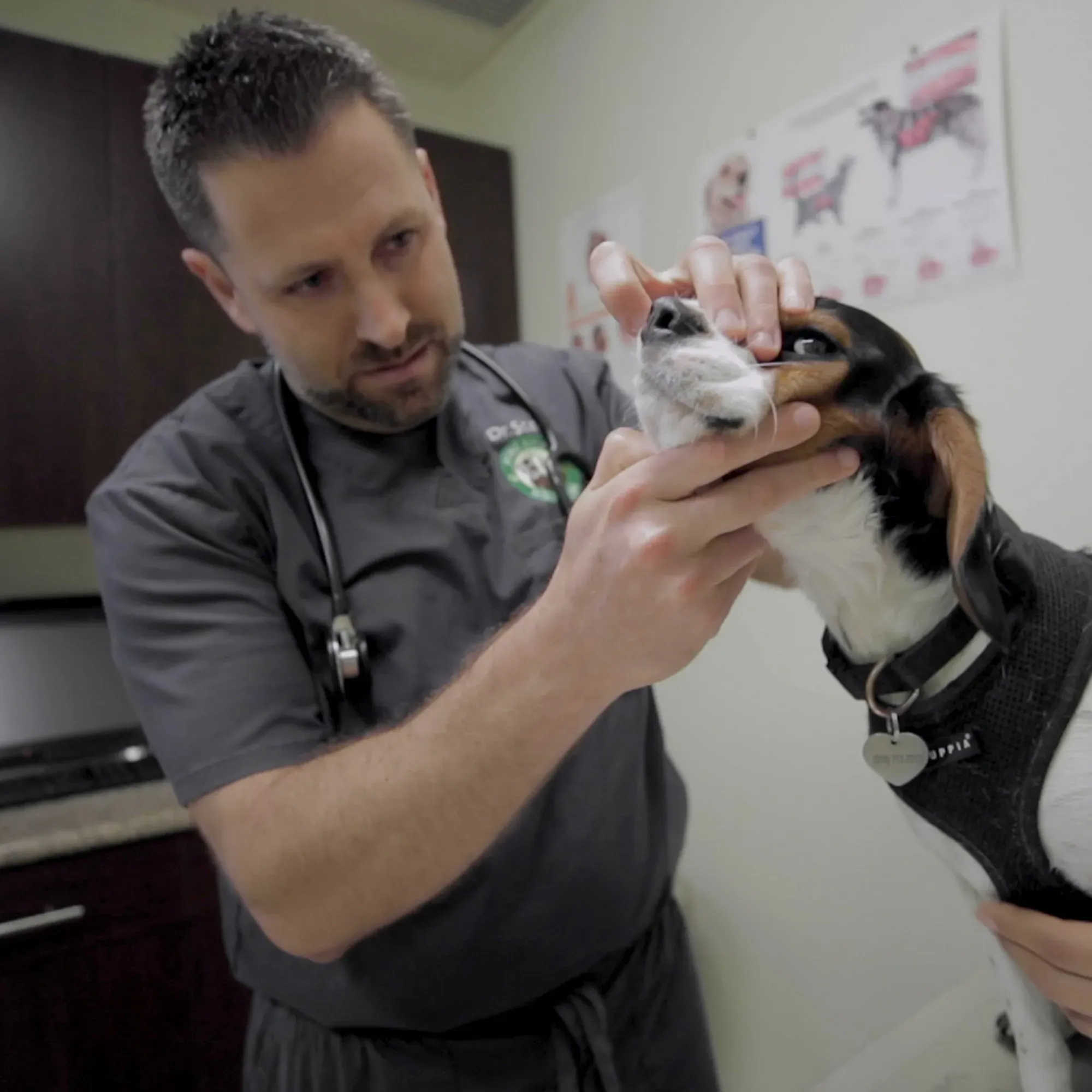
Veterinary dental exams are critical for pets’ health and should be scheduled based on individual needs and symptoms. Regular check-ups every six to twelve months are generally recommended, but pets with a history of dental issues may require more frequent evaluations. Signs indicating the need for exams include persistent bad breath, gum swelling, or changes in eating habits. Early detection of dental issues is vital for maintaining your pet’s oral health.
How Are Veterinary Dental Exams and Cleanings Performed Safely?
Veterinary dental exams and cleanings follow strict safety protocols to ensure your pet is comfortable and secure. Pre-anesthetic screenings are crucial for assessing any risk factors prior to sedation. Moreover, continuous monitoring during the cleaning procedure ensures your pet’s safety. Anesthesia administration is handled cautiously to minimize risks throughout the dental cleaning process.
What Does a Typical Veterinary Dental Cleaning Include?
A typical veterinary dental cleaning involves several systematic steps designed to ensure comprehensive oral care. The procedure includes ultrasonic scaling to remove plaque and tartar, polishing to smooth the tooth surfaces, and digital dental X-rays to assess underlying dental health accurately.
Evaluating the impact of dental cleaning procedures, particularly on vital organs like the kidneys, further underscores the importance of such safety protocols.
Dental Cleaning’s Impact on Kidney Function in Pets
The objective of this study was to evaluate the benefits and inherent risks of dental cleaning procedures, based on serum and urine biomarkers for kidney function and tissue damage, in dogs and cats.
The impact of periodontal disease and dental cleaning procedures on serum and urine kidney biomarkers in dogs and cats, JA Hall, 2021
What Are the Safety Protocols Regarding Anesthesia Use in Pet Dental Care?
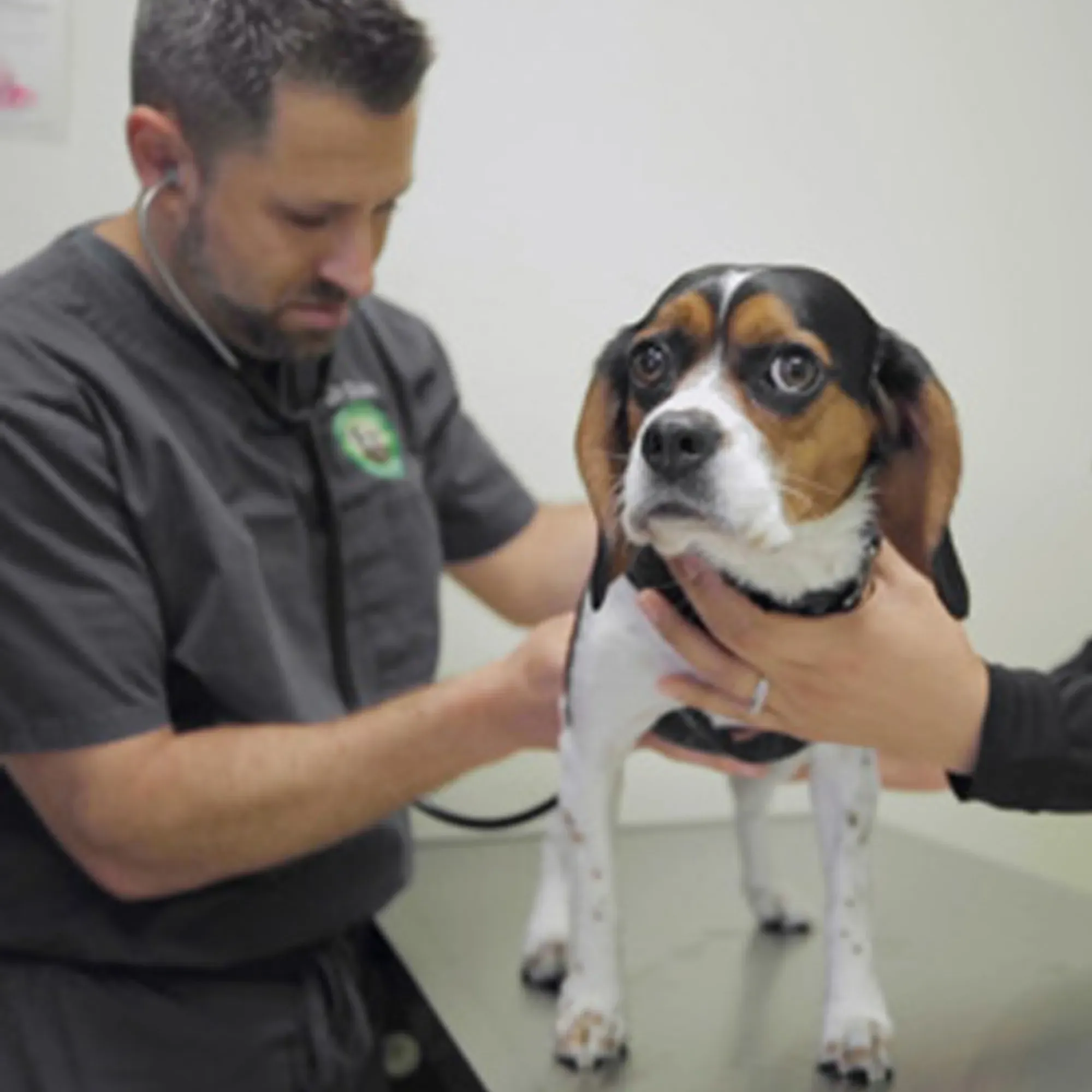
Safety measures regarding anesthesia during dental care are essential. Comprehensive blood work is conducted before administering anesthesia to identify any underlying health issues. Continuous monitoring throughout the procedure ensures that vital signs remain stable. Risk management strategies are essential when planning dental care, ensuring that your pet’s safety is the top priority.
How Can At-Home Dental Care Complement Professional Cleanings?
At-home dental care plays a significant role in maintaining your pet’s oral health between professional cleanings. Regular brushing is highly recommended, as it helps control plaque buildup. Utilizing dental chews can also benefit oral health by mechanically cleaning teeth during chewing. Water additives designed to reduce plaque and bacteria can further support your pet’s dental hygiene.
What Are Effective At-Home Practices for Pet Oral Health Care?
Maintaining oral health at home can significantly enhance your pet’s dental hygiene. Effective practices include:
- Daily Brushing: Helps prevent plaque accumulation and supports gum health.
- Regular Monitoring: Observing any changes in your pet’s mouth can help catch issues early.
- Positive Reinforcement: Making dental care a pleasant experience encourages compliance.
How Does Combined At-Home and Professional Care Prevent Dental Disease?
Combining at-home care with professional cleanings creates a comprehensive strategy for preventing dental disease. Regular professional cleanings address issues that may be missed at home, while at-home care helps maintain health and reduces the frequency of dental visits. Together, these approaches maximize your pet’s oral hygiene and overall health.
By understanding the importance of regular dental cleanings and implementing effective oral care practices, you ensure a healthier and longer life for your beloved pet. Regular dental examinations and professional cleanings, complemented by diligent at-home care, create a robust defense against dental disease and its complications.