
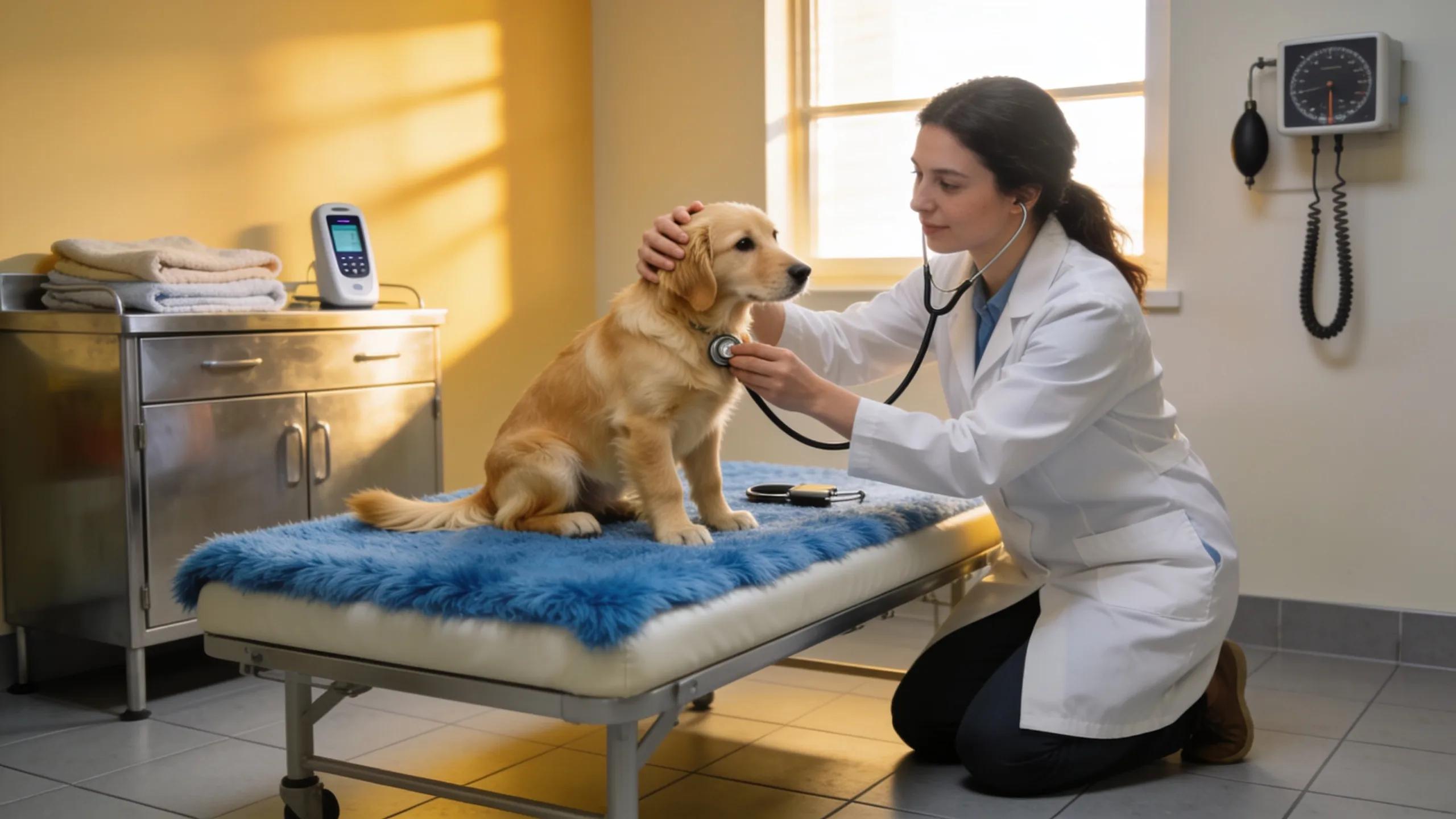
Emergency Vet Triage Protocols: What to Expect During Urgent Pet Care
By Dr. Steve Manyak, Pine Animal Hospital
Urgent pet care presents unique challenges that require a systematic approach to ensure optimal animal health outcomes. Understanding emergency vet triage protocols is essential for pet owners who want to be prepared when their furry companions face medical crises. Triage in veterinary medicine involves prioritizing patients based on the severity of their conditions, allowing veterinarians to provide timely and effective care. This article will explore what to expect during an emergency vet visit, how the intake process works, and the stabilization measures employed for your pet’s needs. Additionally, we will discuss vital after-hours triage services and what pet owners should know to make informed decisions during these stressful times.
What Are the Key Steps in Emergency Vet Triage Procedures?
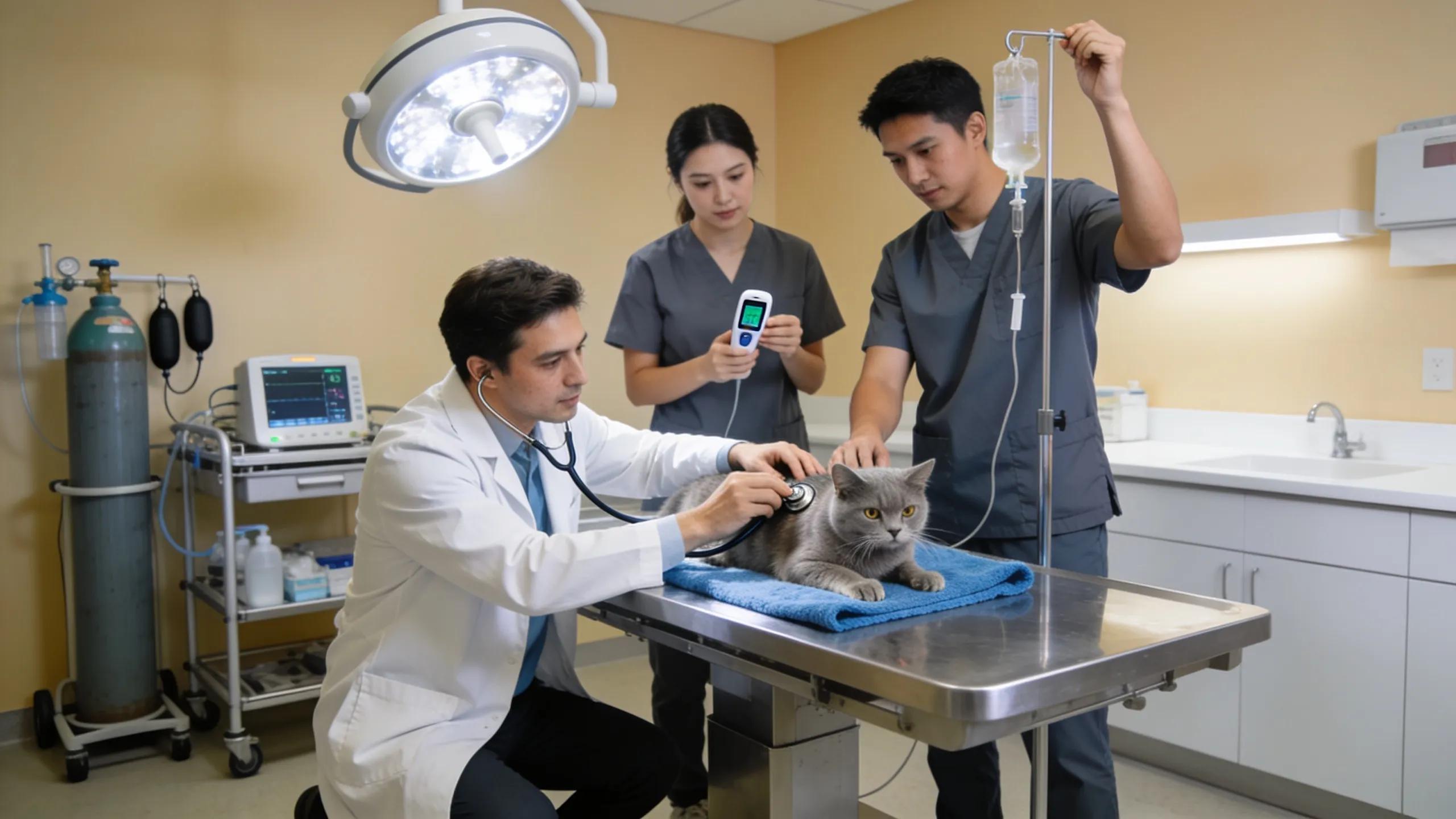
Emergency vet triage procedures involve several critical steps designed to assess and attend to pets in urgent need of medical care. The initial step is the primary assessment, where the veterinary team evaluates the pet’s condition quickly and determines the immediate risks to its health. Following this, the team prioritizes cases based on the urgency of the conditions, classifying them as urgent, non-urgent, or critical. Stabilization measures are then initiated based on the assessments, ensuring that life-threatening conditions are addressed first. This systematic approach allows for efficient use of resources and optimal care for pets in distress.
How Does the Emergency Pet Intake Process Work?
During the emergency pet intake process, the primary aim is to gather necessary information rapidly to expedite care. This begins with a detailed history-taking from the pet owner, which includes any pre-existing conditions, medications, and significant behavioral changes observed before the visit. Following this, vital signs are assessed, including heart rate, temperature, and respiratory rate to gain an understanding of the pet’s overall health. The team’s focus is on a swift but thorough assessment to facilitate immediate medical attention, emphasizing the importance of acting quickly when a pet shows signs of distress.
What Is Involved in Urgent Veterinary Assessment and Stabilization?
The urgent veterinary assessment involves a critical examination of the pet to identify any life-threatening issues. This typically includes diagnostic tests such as blood work and imaging if necessary. Stabilization may involve administering oxygen for respiratory distress, IV fluids for dehydration, or medications to control pain and inflammation. Each of these steps is crucial to ensure that the pet can make it through the initial phase of treatment. Consequently, this is the phase where decisions about further diagnostic and treatment options are made based on the findings of the assessment.
How Does After-Hours Animal Hospital Triage Support Urgent Pet Care?
After-hours animal hospital triage plays a significant role in ensuring pets receive timely care outside regular veterinary hours. Many emergencies arise when standard clinics are closed, hence the availability of after-hours triage services is vital for pet owners. Typically, these facilities are equipped to handle a variety of emergencies, from trauma to acute illnesses. Owners can expect that even during late hours, a team of veterinary professionals is on standby to respond to emergency situations, ensuring that care is not delayed. If your pet requires regular check-ups and preventative care, understanding the importance of wellness exams is key to maintaining their long-term health.
What Should Pet Owners Know About After-Hours Triage Services?
Understanding what to prepare for before visiting an after-hours service is crucial for pet owners. Owners should bring any pertinent medical history, a list of current medications, and be prepared to give a detailed account of the symptoms their pet is exhibiting. The response times for assessments can vary, and it is important to remain calm and follow the instructions of the veterinary staff. Knowing that after-hours triage services can implement immediate care can significantly relieve anxiety during such stressful situations.
How Are Emergency Cases Prioritized During After-Hours Visits?
Emergency cases during after-hours visits are prioritized using a triage system that assesses both the urgency and impact of the medical issue. Triage nursing staff evaluate the pet’s condition based on established veterinary urgency classifications, allowing them to determine which cases require immediate attention. Critical parameters considered include the pet’s vital signs, type of medical distress, and potential for recovery. This structure ensures the most vulnerable pets receive the care they need as quickly as possible, reinforcing the efficiency of emergency care systems.
What Emergency Vet Financing Options Are Available for Urgent Care?

When faced with unexpected emergency vet costs, financing options can be crucial for many pet owners. Various plans and programs are designed to alleviate the financial burden during urgent pet care. Emergency veterinary services often accept payment plans or financing options like CareCredit, which allow pet owners to manage medical expenses over time. It’s prudent for pet owners to inquire about these options beforehand to ensure they are prepared for potential costs involved in emergency care.
The availability of financing options is part of a broader landscape of veterinary care, which includes diverse clinic types and financial structures.
Understanding Veterinary Clinic Types: Emergency and Specialty Care
, and emergency, and 1 identified as emergency) and 4 non-profit clinics (3 clinics identified as general practice and 1 identified as combined general, specialty, and emergency).… study of how veterinary clinics and their clients utilized a no-credit-check, third-party managed installment financing option to increase access to veterinary care, 2025
How Do CareCredit and Scratchpay Help Pets’ Emergency Treatment?
CareCredit and Scratchpay are two primary financing options that support pet owners in covering urgent veterinary treatment costs. CareCredit is a healthcare credit card that can be used at participating veterinary offices, providing flexible payment plans that allow owners to pay over time. Scratchpay offers instant financing options with flexible payment plans tailored for emergency veterinarian visits. Both services aim to help ensure that financial constraints do not compromise the quality of care that pets receive during emergencies.
What Are Common Questions About Emergency Care Costs?
Emergency care for pets can be costly, leading to several common questions from pet owners. Key factors influencing costs include the type and severity of the condition, required diagnostics, and specific treatments that may be necessary. On average, emergency vet visits may range significantly in price, typically surpassing standard office visits. Owners are encouraged to ask veterinary staff for a cost estimate upon arrival, as well as about available financial assistance options, to avoid unexpected financial strain.
Integrative Care for Emergency Stabilization at Pine Animal Hospital
Integrative holistic care enhances emergency vet triage protocols by offering alternative treatment options alongside conventional methods. This approach can include therapies such as acupuncture, herbal medicine, and nutritional adjustments to support the pet’s recovery process. Integrative care focuses on treating the whole animal, addressing not only immediate medical needs but also long-term health and wellness. The combination of traditional and holistic methods can lead to improved outcomes and faster recovery times, showing significant benefits in emergency situations. For comprehensive pet well-being, consider exploring the integrative holistic care options available.
What Integrative Treatments Are Used During Emergency Stabilization?
During emergency stabilization, various integrative treatments can be employed to support the pet’s immediate needs. These may involve calming techniques that reduce stress and anxiety, which can be critical during emergencies. Additionally, laser therapy and other alternative medicine practices may aid in pain management and recovery. Nutrition also plays a vital role; providing pets with the appropriate nutritional support can help bolster their strength as they undergo treatment, thereby enhancing overall efficacy during the emergency.
When Is Post-Triage Surgical Intervention Recommended?
Post-triage surgical intervention is recommended in cases where a pet is diagnosed with a condition that poses immediate threats to its life or well-being. These circumstances might include severe trauma, internal bleeding, or obstruction in the gastrointestinal tract that cannot be managed through other means. The decision for surgical intervention generally considers the pet’s health status, potential outcomes, and the urgency of the situation, emphasizing the need for rapid yet thoughtful decision-making in emergency veterinary care. Discover more about our surgery services for critical conditions.
Regular veterinary check-ups and preventative measures are essential for overall pet health. Ensuring your pet receives timely vaccinations can help prevent many common illnesses and diseases.