Expert Pet Dental Care in Long Beach: Keeping Smiles Healthy and Bright
Did you know that a staggering 80% of dogs and 70% of cats show signs of dental disease by the time they’re three years old? It’s true! Overlooking early warnings like persistent bad breath, red gums, or a reluctance to chew can allow plaque to harden into painful periodontal disease. In this guide, we’ll walk you through spotting common oral health issues, understanding the professional cleaning process at Pine Animal Hospital, exploring surgical and preventive options, comparing costs right here in Long Beach, and appreciating the vital link between your pet’s dental health and their overall well-being. You’ll learn how our anaesthesia protocols keep every tooth scaling and polishing safe, why digital X-rays are crucial for checking below the gum line, and how simple at-home routines can maintain lasting oral hygiene. By following our expert advice on recognizing gingivitis, understanding extraction recovery, and exploring financing choices, you can safeguard your pet’s smile and their systemic health. Whether you have a playful kitten or a seasoned retriever, these insights will empower you to schedule timely exams, prevent complications, and support your beloved companion’s health from their gums to their kidneys.
What Are the Common Signs of Pet Dental Disease?
Dental disease in pets begins when bacteria form plaque along the gum lines, which then hardens into tartar. This process leads to inflammation and damage to the tissues supporting the teeth. It often starts with gingivitis—red, swollen gums that bleed easily—and can progress to periodontal disease, where the bone and ligaments holding the teeth erode. Catching these issues early can prevent tooth loss and systemic infections, significantly improving your pet’s quality of life and reducing veterinary expenses. Recognizing these signs promptly enhances your pet’s comfort and aligns with the personalized care approach at Pine Animal Hospital, where we tailor treatment plans specifically for each dog and cat.
To help you spot potential problems at home, keep an eye out for these common indicators:
- Breath that doesn’t improve, even with water or dental treats
- Visible tartar buildup, especially on the back teeth
- Gums that look red, have pulled away from the teeth, or bleed when your pet eats
- Your pet pawing at their mouth or hesitating to chew hard foods
- Excessive drooling, loose teeth, or swelling around the face
Watching for these warning signs allows you to schedule a dental exam quickly, ensuring plaque is removed before it causes irreversible damage or spreads throughout the body.
Safe Veterinary Dental Procedures Under Anaesthesia: Cleaning and Diagnostics
Anaesthesia enables the veterinary surgeon and their assistants to perform dental procedures safely and effectively. This encompasses procedures undertaken whilst the patient is under anaesthesia, including dental prophylaxis and diagnostic imaging.
Small animal dental equipment, materials, and techniques, 2019
How to Recognize Bad Breath and Oral Discomfort in Dogs and Cats
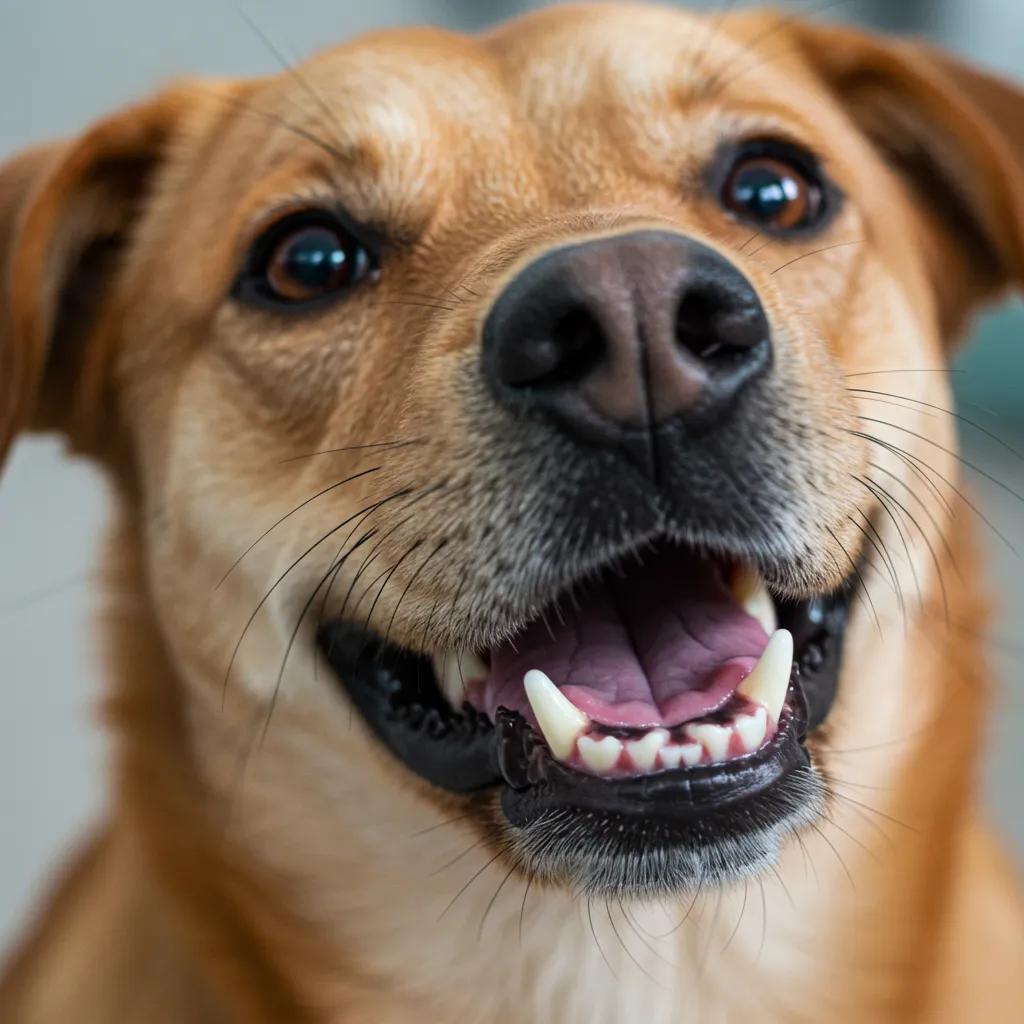
Bad breath, or halitosis, is a clear sign of bacterial overgrowth in your pet’s mouth, often linked to plaque-induced inflammation. Pets experiencing halitosis might avoid treats, chew on only one side of their mouth, or drool more than usual, all indicating discomfort below the gum line. A quick check involves gently lifting their lip to look for yellowish deposits on teeth and red, inflamed gums. However, a professional examination is essential to detect issues hidden below the gum line. Recognizing this symptom early is key to timely intervention and preventing the progression to periodontal pockets where deep-seated bacteria can thrive.
Making routine at-home checks a habit helps you notice changes in scent or chewing behavior. A quick weekly check of their mouth and a sniff test can help you catch oral discomfort before it becomes a serious health risk.
What Are the Symptoms of Gingivitis and Periodontal Disease in Pets?
Gingivitis refers to reversible inflammation of the gums, while periodontal disease signifies irreversible damage to the structures that support the teeth. Gingivitis typically appears as bright red gum edges that bleed easily. Periodontal disease, on the other hand, often involves gums receding from the teeth, teeth becoming loose, and bone loss. Identifying the stage of the disease helps guide treatment decisions, from simple scaling and home care for gingivitis to extractions and more complex surgery for advanced periodontal cases.
Periodontal Disease in Small Animals: Diagnosis and Timing of Treatment
Periodontal disease is the most frequently diagnosed condition in small animal veterinary practice. Early identification of the clinical signs of the disease process is critical, as therapeutic intervention often occurs late in the disease’s progression.
Periodontal disease, 2008
| Condition | Key Indicator | Underlying Impact |
|---|---|---|
| Gingivitis | Red, swollen gums | Inflammation that can be reversed with prompt care |
| Early Periodontal | Gum recession | Formation of pockets and mild bone erosion |
| Advanced Periodontal | Loose or missing teeth | Severe damage to ligaments and bone |
Understanding these stages empowers you to seek specialized care at Pine Animal Hospital. Here, we use digital X-rays to assess bone health and create personalized cleaning plans to address each level of dental disease.
When Should You Seek Veterinary Dental Care for Your Pet?
You should schedule a veterinary dental exam anytime you notice persistent bad breath, visible tartar buildup, or changes in your pet’s chewing habits that last longer than a week. Pets that suddenly start preferring soft foods or paw at their mouths often have painful oral conditions that require professional attention. Younger animals might have congenital issues like misaligned bites, while older pets frequently develop tooth resorption or periodontal pockets hidden beneath seemingly healthy enamel. Scheduling a dental evaluation early can prevent the need for extensive surgery down the line.
If your pet displays any of these signs, please reach out to the dental team at Pine Animal Hospital to arrange an exam. Prompt care helps maintain fresh breath, preserves tooth structure, and supports overall health by preventing bacteria from entering the bloodstream.
How Does Professional Pet Teeth Cleaning Work at Pine Animal Hospital?
Professional pet teeth cleaning at Pine Animal Hospital starts with a thorough oral examination performed under general anaesthesia to ensure your pet’s complete safety and comfort. We then meticulously scale away plaque and tartar from above and below the gum line, followed by polishing to smooth the enamel surfaces and make it harder for bacteria to stick. Digital dental X-rays are taken to reveal any hidden issues, such as root abscesses or bone loss. Finally, we provide personalized guidance on preventive home care, equipping you with the best techniques and products to maintain your pet’s oral health.
This comprehensive process combines the expertise of our veterinary dental team, state-of-the-art equipment, and tailored protocols. By adjusting the cleaning duration and depth based on each patient’s specific needs, we maintain a transparent approach focused on long-term well-being and ensuring a pain-free experience.
What to Expect During a Pet Dental Exam and Cleaning Procedure
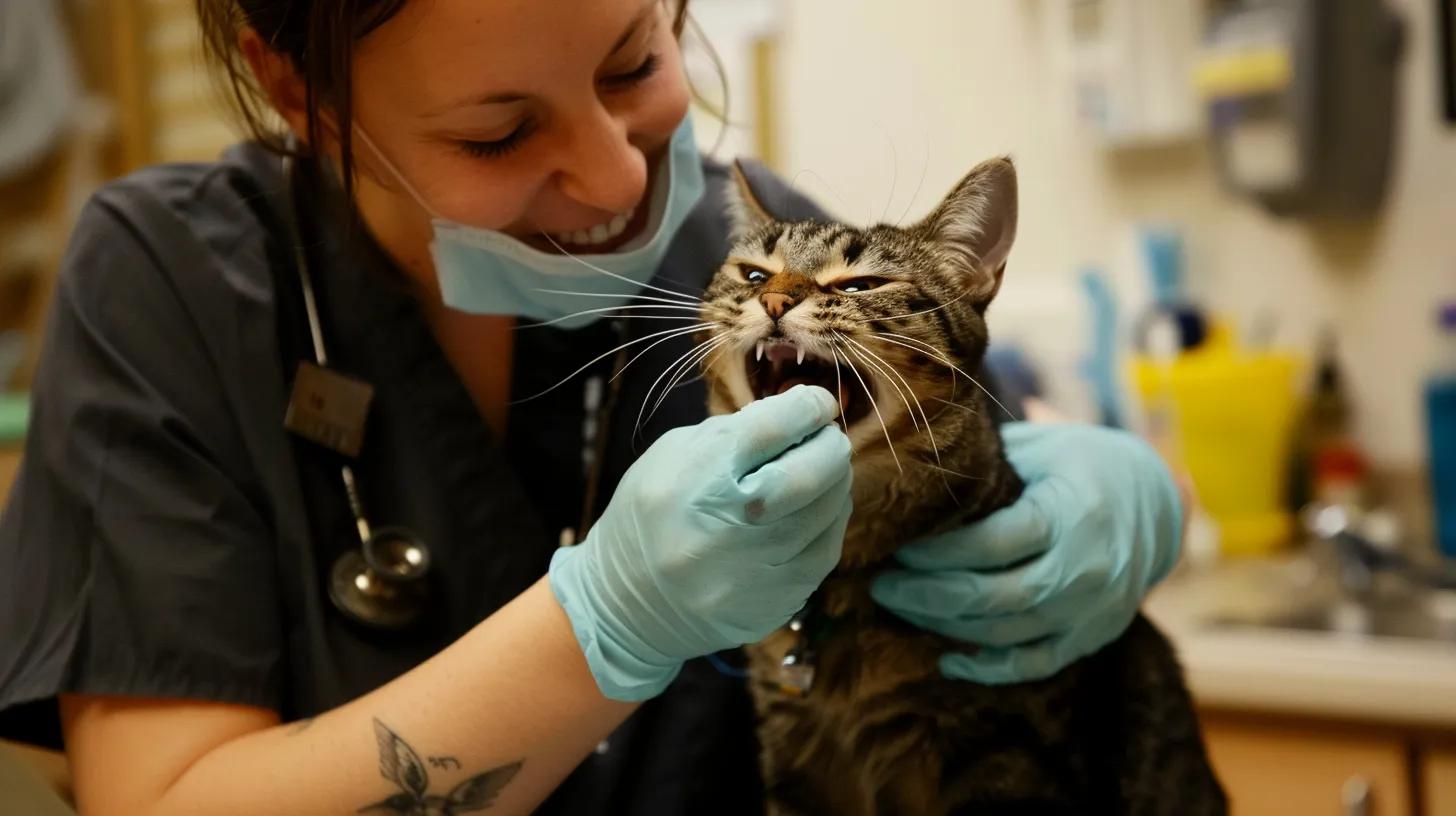
Before anaesthesia, one of our veterinarians will conduct a physical exam and review pre-anaesthetic blood work to confirm your pet is healthy enough for the procedure. Once sedated, our dental specialist will carefully inspect every tooth, document any abnormalities, and measure periodontal pocket depths. We use ultrasonic and hand scalers to remove plaque and tartar, followed by a thorough polishing to restore enamel smoothness. After the procedure, your pet is closely monitored during recovery, and we provide recommendations for pain management.
- A physical exam and lab tests to ensure anaesthesia safety
- Detailed charting of your pet’s dental health and pocket depths
- Ultrasonic scaling to clean above and below the gum line
- Polishing to create a smooth enamel surface
- Post-procedure monitoring and pain relief for comfort
These steps guarantee a comfortable, thorough cleaning that addresses both visible and hidden dental disease, setting the foundation for effective at-home care.
What Are the Pre-Anaesthetic Screening and Safety Protocols?
Our pre-anaesthetic screening includes comprehensive blood chemistry, a complete blood count, and a thorough physical exam to evaluate your pet’s organ function. These tests help us identify any potential risks associated with anaesthesia, such as kidney or liver issues. Based on the results, our veterinary team customizes the drug selection and dosage, significantly enhancing safety for every dog and cat.
How Is Your Pet Monitored During Anaesthesia?
We provide continuous monitoring of your pet’s heart rate, blood pressure, oxygen saturation, and body temperature throughout the procedure. Our dedicated veterinary nurses use advanced multi-parameter monitors to detect any changes in vital signs immediately. This vigilant approach allows for prompt adjustments, ensuring stable anaesthesia and a smooth recovery.
How Do Digital Dental X-rays Enhance Pet Dental Care?
Digital dental X-rays allow us to see issues below the gum line that are invisible to the naked eye, such as root resorption, abscesses, and bone loss. These high-resolution images are crucial for planning surgeries and extractions, helping us minimize invasiveness and preserve healthy tooth structures. Detecting hidden problems early reduces surgical time, postoperative pain, and overall treatment costs, leading to better long-term results.
By incorporating X-rays into every cleaning, we adopt a data-driven approach to veterinary dentistry. This enables Pine Animal Hospital to provide personalized preventive and corrective plans specifically designed for each pet’s unique dental anatomy.
What Are the Treatment Options for Pet Dental Surgery and Tooth Extractions?
When dental disease progresses to a point where teeth cannot be saved, surgical intervention becomes necessary to remove diseased tissue and extract non-viable teeth. Our treatment options range from minimally invasive extractions performed under microscope magnification to soft tissue surgeries for oral masses. Each procedure is carefully planned based on diagnostic imaging and periodontal charting. By combining skilled veterinary surgery with compassionate care, Pine Animal Hospital treats your pets like family while restoring their oral health.
Surgical planning takes into account the patient’s age, overall health, and anaesthesia risk, ensuring that every treatment option supports optimal recovery and long-term comfort.
When Is a Pet Tooth Extraction Necessary?
Tooth extractions are necessary when a tooth shows signs of advanced periodontal disease, a root fracture, or irreversible resorptive lesions. Pets experiencing chronic pain may hide their discomfort until severe infection or bone damage occurs. Removing only the affected tooth helps preserve surrounding structures and prevents bacteria from entering the bloodstream.
How Is Feline Tooth Resorption Diagnosed and Treated?
Feline tooth resorption is a common condition in cats where enamel defects progress to destroy the tooth root. Diagnosis relies on digital X-rays that reveal resorptive lesions beneath otherwise healthy-looking crowns. Treatment involves carefully extracting the affected teeth and smoothing the surrounding bone to minimize postoperative discomfort and prevent the condition from recurring.
What Is the Recovery Process After Dog Tooth Extractions?
Recovery after tooth extractions in dogs typically involves short-term pain management, a diet of soft food, and restricted activity to promote healing. We provide owners with detailed instructions on administering pain medication, monitoring the surgical site for any swelling or discharge, and gradually reintroducing normal food textures. Healing is usually complete within two weeks, after which normal dental hygiene routines can resume.
How Can You Prevent Dental Disease with At-Home Pet Dental Care?
Preventing dental disease requires consistent at-home routines that disrupt plaque buildup before it hardens into tartar. Brushing your pet’s teeth twice a week, offering veterinarian-approved dental chews, and using water additives can create an environment that’s hostile to bacteria. These methods work best when combined with annual professional cleanings, helping to maintain fresh breath and healthy gums between vet visits.
Establishing positive at-home dental habits early in your pet’s life is key to preserving their teeth long-term and reducing the need for more extensive dental procedures later on.
What Are the Best Dental Products for Dogs and Cats?
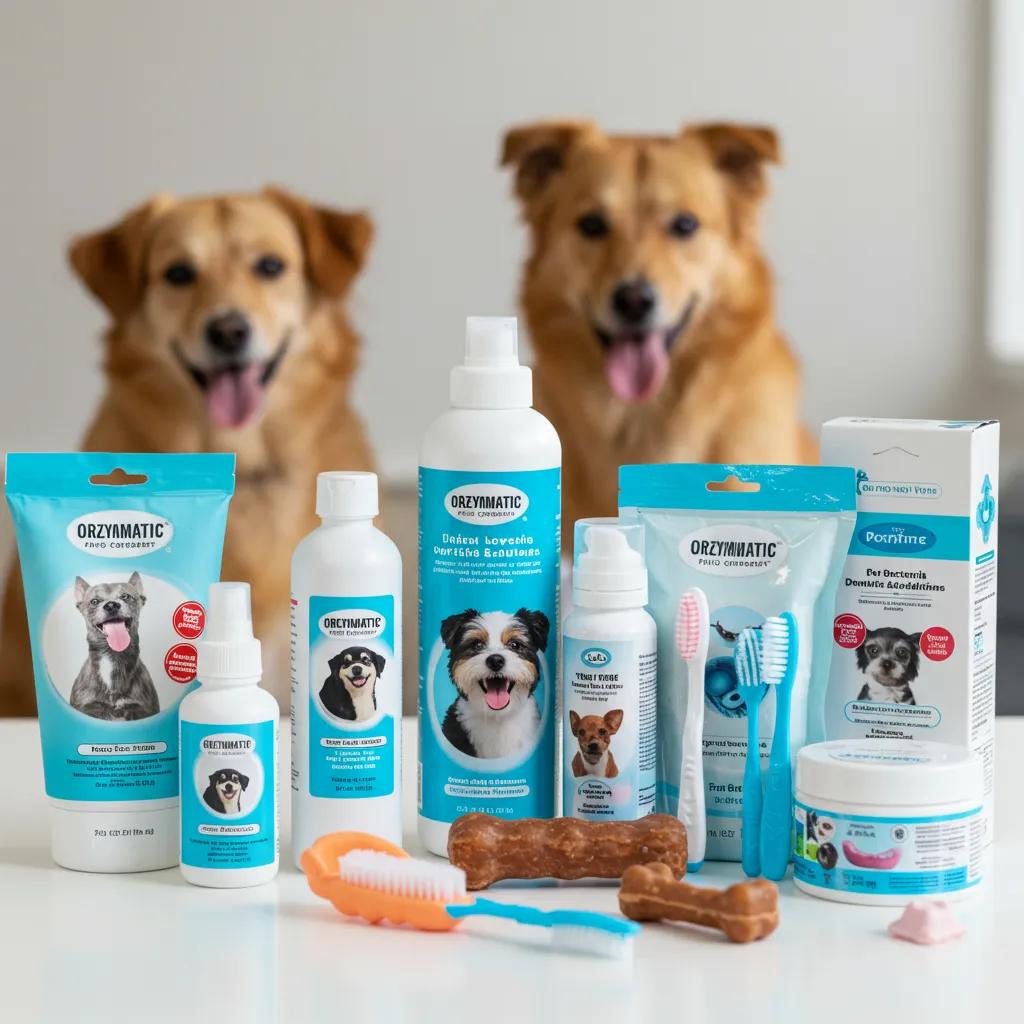
Choosing effective dental products means looking for specific active ingredients, appropriate textures, and proven safety. Veterinary-approved toothpastes often contain enzymes that help break down plaque bacteria, while certain dental chews are designed to mechanically remove tartar. Water additives can introduce antibacterial compounds into your pet’s daily routine, offering a convenient way to support oral health without brushing.
- Enzymatic toothpaste to break down plaque biofilm
- Specially designed rubber toothbrushes for pets
- Dental chews with textured surfaces to help scrape away tartar
- Antibacterial water additives for daily use
Using a combination of these products supports a comprehensive home dental care plan that significantly improves your pet’s oral health.
How to Brush Your Pet’s Teeth: Step-by-Step Guide
Brushing your pet’s teeth not only reduces bacterial buildup but also strengthens the bond you share. Start by introducing a pet-safe toothbrush and toothpaste gradually, letting your pet sniff and taste them. Use gentle, circular motions along the gum line at a 45° angle, focusing on the outer surfaces of the teeth first, then the inner surfaces. Aim for two-minute sessions twice a week, and always reward calm behavior with praise or a small treat.
Each brushing session helps your companion become more accustomed to dental care and lays the foundation for lifelong oral hygiene.
What Other At-Home Dental Care Methods Help Maintain Oral Health?
In addition to brushing, dental chews and water additives serve as valuable supplementary tools. Chews with clinically proven textures help mechanically scrub away plaque, while water additives reduce the overall bacterial load in your pet’s saliva. Incorporating alternatives to rawhide or using durable rubber toys can also stimulate chewing and promote gum massage. Rotating the types of dental products you use can prevent bacteria from adapting, helping to maintain their effectiveness over time.
Together, these methods complement professional cleanings and can help extend the time between veterinary visits.
How Much Does Pet Dental Cleaning Cost in Long Beach?
The cost of pet dental cleaning can vary depending on the severity of the dental disease, the necessary diagnostic tests, and whether extractions are needed. A standard cleaning involving scaling and polishing without extractions represents the base fee, while more advanced procedures and digital X-rays will add to the total cost. Veterinary anaesthesia, monitoring, and post-procedure care are always included in our comprehensive quotes. To get an accurate estimate, Pine Animal Hospital recommends scheduling an initial exam, where we can create a personalized treatment plan and clearly outline all associated costs.
Our commitment to transparent pricing helps pet owners budget effectively for the preventive and corrective services that are essential for maintaining both oral and overall health.
What Factors Influence Cat and Dog Dental Cleaning Costs?
Several key factors influence the final price of dental care:
- Stage of Dental Disease – More advanced periodontal disease requires longer procedures and may involve extractions.
- Diagnostic Imaging – Digital X-rays are crucial for identifying hidden issues and incur separate imaging fees.
- Anaesthesia and Monitoring – Our safety protocols include the cost of anaesthetic drugs and dedicated monitoring personnel.
- Postoperative Care – Pain management, follow-up appointments, and specialized diets might be recommended.
Understanding these components helps you anticipate the investment required and discuss financing options before treatment begins.
Are Financing Options Available for Pet Dental Care at Pine Animal Hospital?
To make essential dental services more accessible, Pine Animal Hospital offers flexible financing plans. These payment solutions allow you to spread the cost of procedures over manageable monthly installments, ensuring your pet can receive timely care without causing undue financial stress. We encourage you to discuss financing options during your consultation, allowing us to align treatment needs with your budget and uphold our commitment to personalized, family-focused care.
Why Is Comprehensive Pet Dental Care Important for Your Pet’s Overall Health?
Comprehensive dental care is crucial for preventing chronic pain, tooth loss, and the spread of bacteria from infected gums into vital organs. By removing plaque and tartar, professional cleanings help reduce inflammation that can affect heart valves, kidneys, and the liver. Preventing oral infections also lowers the overall bacterial load in the body, supporting a stronger immune system and promoting a longer, more vibrant life for your pet.
How Does Untreated Dental Disease Affect Your Pet’s Heart, Liver, and Kidneys?
When periodontal disease goes untreated, bacteria can enter the bloodstream, potentially leading to endocarditis, which damages heart valves and impairs heart function. These same bacteria can also inflame kidney tissue, reducing their filtering efficiency and contributing to chronic kidney disease. Liver involvement can occur when bacterial toxins overwhelm the liver’s detoxification processes, causing inflammation. Addressing dental disease early is key to preventing these cascading risks to major organs and maintaining overall bodily balance.
What Are the Long-Term Benefits of Regular Professional Dental Care?
Regular professional dental cleanings lead to fresher breath, help preserve your pet’s natural teeth, and significantly reduce the likelihood of painful extractions. Consistent preventive care also lowers cumulative treatment costs by catching and addressing dental issues before they become severe. The long-term benefits include a stronger immune system, improved appetite, and sustained comfort during meals and playtime. Committing to annual cleanings can enhance your pet’s overall mood and energy levels, reflecting our clinic’s philosophy of treating every pet like a cherished member of the family.
What Are Frequently Asked Questions About Pet Dental Care Services?
Pet owners often have questions about maintaining oral health between professional visits, the risks associated with anaesthesia, and how often dental exams should be performed. Understanding these common concerns helps you prepare for appointments and make informed decisions about your pet’s dental care. The team at Pine Animal Hospital addresses these topics thoroughly during every visit, offering clear guidance based on the latest veterinary dentistry standards.
What Causes Bad Breath in Dogs and Cats?
Bad breath in pets is typically caused by bacterial buildup on the teeth and gums, which releases unpleasant-smelling compounds. Plaque that hardens into tartar, especially below the gum line, creates an environment for anaerobic bacteria that produce foul-smelling sulfur compounds. Dietary choices, such as high-protein foods, and food debris trapped between teeth can also worsen halitosis. Regular brushing and professional cleanings are essential for preventing bacterial overgrowth and maintaining fresh breath and healthy gums.
Is Anaesthesia Safe for My Pet During Dental Procedures?
Modern veterinary anaesthesia utilizes carefully selected drug protocols and continuous monitoring to ensure the highest level of safety during dental procedures. Pre-anaesthetic blood panels help us identify any underlying health conditions, allowing our team to adjust dosages and supportive measures for each individual patient. Throughout the procedure, monitors track vital signs like heart rate, blood pressure, and oxygen saturation, minimizing risks and promoting smooth recoveries. This approach allows us to perform thorough cleanings and pain-free surgeries that would be impossible without sedation.
How Often Should My Pet Have Dental Exams and Cleanings?
Most pets benefit from annual dental exams and cleanings, starting around one year of age. Some breeds that are prone to dental issues or pets showing early signs of periodontal disease may require more frequent visits. Senior dogs and cats often need check-ups twice a year to monitor for resorptive lesions and bone loss. We provide personalized recommendations for check-up frequency based on your pet’s breed, age, and oral health history to optimize their preventive care schedule.
Can Dental Disease Be Prevented Without Professional Cleanings?
While at-home brushing and dental chews can help reduce plaque buildup, they cannot fully replace professional cleanings performed under anaesthesia. Professional cleanings allow us to address tartar below the gum line and perform essential diagnostic imaging. At Pine Animal Hospital, we also incorporate Non-Anesthetic Dental Cleaning for maintenance purposes. Non-Anesthetic Dental Cleaning is a great way to maintain clean and healthy teeth and gums between comprehensive professional cleanings. However, it’s important to note that anaesthesia-free cleanings are primarily for surface maintenance and do not address hidden dental disease below the gum line. The most effective prevention strategy involves combining diligent at-home care with regular professional exams and cleanings (both anesthetic and non-anesthetic as appropriate) to safeguard your pet’s oral and systemic health.
Caring for your pet’s dental health is an ongoing commitment that brings significant rewards, enhancing both their comfort and vitality. By recognizing the early signs, following the expert cleaning protocols at Pine Animal Hospital, and maintaining consistent home care, you can protect your pet’s smile—one healthy tooth at a time.