Expert Pet Surgery Services in Long Beach: Compassionate Care and Advanced Procedures
At Pine Animal Hospital, our veterinary surgical care provides precise procedures designed to restore your pet’s health and mobility, all while prioritizing their comfort and minimizing risks. We offer a comprehensive range of surgical services, from routine spay and neuter procedures to complex soft tissue repairs and advanced orthopedic surgeries. Our state-of-the-art surgical suites are equipped with the latest technology for meticulous monitoring throughout every procedure. This guide will walk you through the surgical services we offer, our commitment to safe anesthesia, what to expect on surgery day and during recovery, our emergency surgery protocols, what makes our expertise unique, our transparent pricing, and answers to frequently asked questions about pet surgery. By understanding these key areas—our surgical offerings, anesthesia safety, recovery support, emergency care, our distinctive approach, financial options, and practical advice for pet parents—you can feel confident when scheduling an appointment for your beloved companion.
What Veterinary Surgical Procedures Do We Offer in Long Beach?
Our hospital provides a wide array of veterinary surgical interventions aimed at treating congenital issues, injuries from accidents, and for preventive health. Our surgical procedures range from common sterilization surgeries to specialized tumor removals, all performed with strict aseptic techniques and customized pain management plans.
Our spay and neuter services help regulate hormones and significantly reduce the risk of certain diseases:
- Spaying removes the ovaries and uterus, preventing pyometra and reducing the risk of mammary tumors.
- Neutering removes the testicles, which helps prevent prostate problems and reduces undesirable behaviors.
For orthopedic repairs, such as fixing cruciate ligament tears and correcting hip dysplasia, we utilize advanced techniques like TPLO and femoral head ostectomy to restore joint stability and function. Our soft tissue surgeries address conditions like hernias, remove foreign objects from the gastrointestinal tract, and excise masses, often using minimally invasive approaches to promote faster healing. We also perform dental extractions and gum surgeries to address oral health issues. For urgent situations, we are equipped for emergency surgeries like bloat correction and trauma stabilization, available 24/7. These comprehensive surgical services are seamlessly integrated with our advanced anesthesia protocols and dedicated post-operative care.
Which Spay and Neuter Services Are Available for Dogs and Cats?
Spay and neuter procedures involve the removal of reproductive organs to prevent unwanted litters and hormone-related health issues. We use balanced anesthesia techniques and perform gentle ovariohysterectomy or orchiectomy to minimize stress during surgery and discomfort afterward. Key benefits include a lower risk of mammary and testicular cancers, reduced roaming tendencies, and contributing to responsible pet population management.
Before surgery, pre-operative blood tests confirm your pet’s organ function. We use a combination of pain relief medications to ensure comfort throughout recovery. After surgery, pets rest in warm recovery areas with gentle warming blankets and protective collars to safeguard their incisions. This approach ensures that our spay and neuter services enhance your pet’s well-being and support community-wide animal health efforts.
What Orthopaedic Surgeries Do We Perform for Pets?
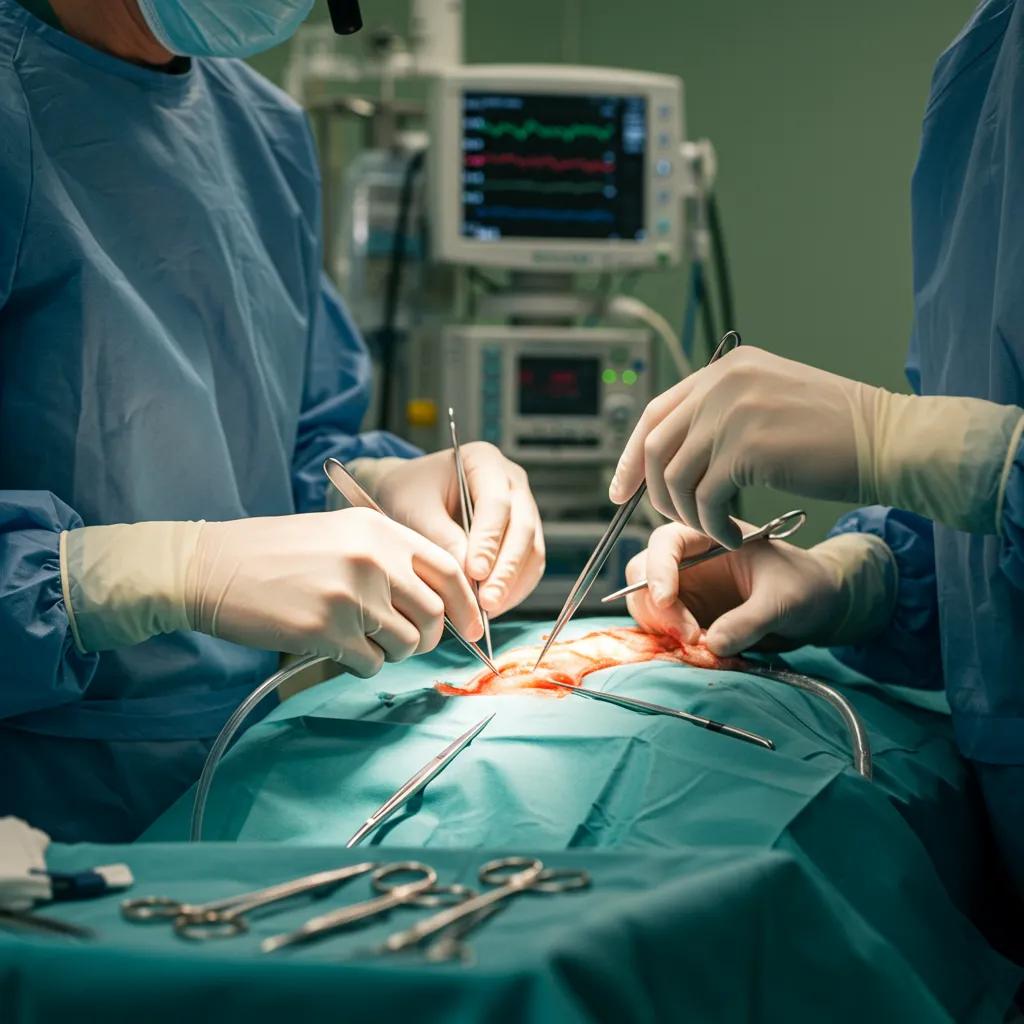
Our orthopedic surgery services focus on restoring bone and joint health through specialized techniques for conditions like torn cruciate ligaments, dislocating kneecaps (patellar luxation), and fractures. Procedures such as tibial plateau leveling osteotomy (TPLO) realign the joint surface to correct ACL instability, while femoral head ostectomy (FHO) addresses hip dysplasia by removing the femoral head to alleviate pain.
Following surgery, rehabilitation involves controlled exercise, physical therapy, and weight management to optimize the results. Our veterinarians use intra-operative X-rays and strong suture materials to secure implants, ensuring that each orthopedic procedure leads to lasting joint function and helps slow the progression of arthritis.
Femoral Head and Neck Ostectomy (FHO) for Canine Hip Joint DisordersIn this study, surgical treatment for hip dysplasia, hip luxation, femoral neck fracture, and degenerative hip joint disease was performed using femoral head and neck ostectomy (FHO). Twelve dogs of different breeds, weighing 14-52 kg, suffering from various hip joint disorders, were admitted to the Veterinary Surgery clinic, Faculty of Veterinary Medicine, Zagazig University, and from several private veterinary clinics. The admitted cases were diagnosed based on clinical signs (visual pain assessment and lameness scoring), clinical crepitus examination, and plain radiography. The FHO technique applied to the affected cases yielded successful outcomes, with the absence of painful lameness noted three weeks post-operatively. Non-painful lameness was subsequently observed, gradually decreasing until its disappearance as muscles strengthened to compensate for the absence of the femoral head, with minimal complications. FHO is a highly effective, economically viable, and satisfactory salvage procedure with minimal coFemoral Head and Neck Ostectomy (FHO) for Treatment of Different Hip Joint Disorders in Dogs, Unknown Author, 2022
The effectiveness of FHO as a treatment option for hip joint issues is well-established, providing a practical solution for pain relief and improved mobility.
Treatment of Hip Dysplasia: Total Hip Replacement versus Femoral Head Ostectomy in DogsIn large breed juvenile dogs with hip dysplasia and radiographic evidence of bilateral osteoarthritis, is total hip replacement superior, inferior, or equivalent to bilateral femoral head ostectomy in reducing the severity of long-term hip pain? Twelve papers were critically appraised. One paper was a systematic review. Six papers were prospective case series. Five papers were retrospective case series. With the exception of one systematic review, no other studies are available that directly compare pain reduction with total hip replacement and femoral head ostectomy for the treatment of hip dysplasia in large breed juvenile dogs with radiographic evidence of secondary osteoarthritis. In one study, 100% (12/12) of owners who responded to an owner outcome questionnaire reported no hip pain following femoral head and neck ostectomy.Are dogs with hip dysplasia in less pain after total hip replacement than femoral head ostectomy?, WJ Gordon-Evans, 2022
What Types of Soft Tissue Surgeries Are Offered?
Soft tissue surgery involves procedures on organs, skin, and other non-skeletal structures, requiring incisions, removal, or repair. We perform surgeries such as removing foreign objects from the gastrointestinal tract, correcting hernias, and excising tumors, using either minimally invasive techniques or traditional open surgery depending on the case. We focus on precise control of bleeding and careful layered closure to minimize fluid buildup and promote smooth scar healing.
After GI surgery, we use antibiotics and provide nutritional support to aid intestinal healing. For skin tumors, we may use surgical lasers to reduce bleeding and speed up recovery. These methods help pets return to their normal activities with a lower chance of complications.
Minimally Invasive Surgery (MIS) for Standard Veterinary ProceduresMany standard surgical procedures, such as elective neutering, gastropexy, and others, are now performed using minimally invasive surgery (MIS) techniques. The benefits of MIS include reduced patient trauma, shorter hospitalisation periods, and accelerated recovery times when compared to traditional open surgery.Recent advances in soft tissue minimally invasive surgery, Unknown Author, 2014
Which Specialised Surgeries Do We Provide, Including Dental and Emergency Care?
Our specialized surgical services include dental procedures like extractions and root canals, eye surgeries such as entropion repair and cataract removal, and emergency interventions for conditions like bloat, trauma, and wound care. Dental surgery aims to restore oral health through careful extractions and gum repairs that protect jaw structure and prevent bone infection. Eye surgeries use advanced microsurgical tools to restore vision and comfort.
Emergency surgical care involves quick assessment, diagnostic imaging, and life-saving procedures, such as correcting gastric dilatation-volvulus, all performed under constant monitoring. Post-emergency care includes careful fluid management and pain management pumps to stabilize vital functions and support a full recovery.
How Do We Ensure Safe and Effective Anaesthesia for Pet Surgeries?
Safe anesthesia at our hospital starts with a thorough pre-anesthetic evaluation and continues with precise monitoring during surgery and advanced pain management. By combining a physical exam, blood tests, and a careful assessment of risks, we create personalized anesthesia plans that balance the necessary level of sedation with maintaining stable vital signs.
What Is the Pre-Anaesthetic Assessment Process?
Our comprehensive pre-anesthetic assessment includes a physical examination and laboratory tests to evaluate your pet’s heart, kidney, and liver function. For older pets or those with existing health conditions, we may recommend additional tests like echocardiograms or chest X-rays. Identifying potential risks early allows our team to choose the most appropriate anesthetic drugs and establish fluid therapy to ensure good blood flow, thereby minimizing complications during surgery.
How Is Anaesthesia Monitored During Surgery?
During surgery, we use multi-parameter equipment to continuously track your pet’s heart rate, blood pressure, oxygen levels, carbon dioxide levels, and body temperature. Real-time electrocardiography and capnography help us detect any heart rhythm irregularities or breathing issues immediately. Our highly trained veterinary nurses closely manage anesthetic gas levels and intravenous fluids to maintain optimal physiological conditions. This diligent monitoring ensures that every stage of the surgery is performed under the safest possible circumstances.
What Are the Risks of Pet Anaesthesia and How Are They Managed?
Potential risks associated with anesthesia include low blood pressure, slowed breathing, and, rarely, allergic reactions. We proactively manage these risks by administering fluids before anesthesia to prevent low blood pressure, providing breathing support if needed, and having emergency medications readily available for critical situations. By adhering to established, evidence-based protocols, our team significantly reduces the likelihood of adverse events and ensures your pet’s well-being from the moment anesthesia begins until they are fully recovered.
Which Pain Management Strategies Support Pet Comfort Before, During, and After Surgery?
We employ a multi-modal approach to pain management, combining different types of pain relief such as opioids, local anesthetics, and non-steroidal anti-inflammatory drugs. Pre-emptive pain relief, like epidurals or nerve blocks, helps block pain signals before they start. Post-operative pain management, including continuous infusions, ensures comfort during the crucial recovery period. This comprehensive strategy promotes faster healing, reduces stress, and encourages your pet to eat and move normally sooner.
What Should Pet Owners Expect on Surgery Day and During Recovery?
On the day of surgery, our team will guide you through the necessary preparations, conduct final checks, and confirm your pet is ready for anesthesia. After the procedure, your pet will move to a quiet recovery area where they will be closely monitored, kept warm, and given oxygen support as needed, all with gentle handling. We will provide you with clear, detailed instructions and a personalized recovery plan to ensure seamless care at home.
How to Prepare Your Pet for Surgery: Pre-Operative Guidelines
To prepare your pet for surgery, please withhold food overnight but allow free access to water. Administer any prescribed medications as directed. On arrival, try to remain calm, as your pet can sense your emotions. Bringing familiar bedding can also help ease their anxiety. These steps help maintain stable blood sugar and reduce stress, creating the best possible conditions for anesthesia induction.
What Happens During the Surgical Procedure?
The surgical procedure typically involves three phases: induction, maintenance, and recovery. After placing an intravenous catheter and providing pre-oxygenation, anesthetic drugs are administered to induce unconsciousness. The surgical site is then prepared and draped sterilely. Anesthesia is maintained using inhaled gases or intravenous medications while the surgical team performs the procedure. Once the surgery is complete, reversal agents or adjustments to anesthetic gases help your pet regain consciousness, and they are closely monitored until they are fully awake and able to protect their airway.
How Do We Support Post-Operative Care and Recovery at Home?
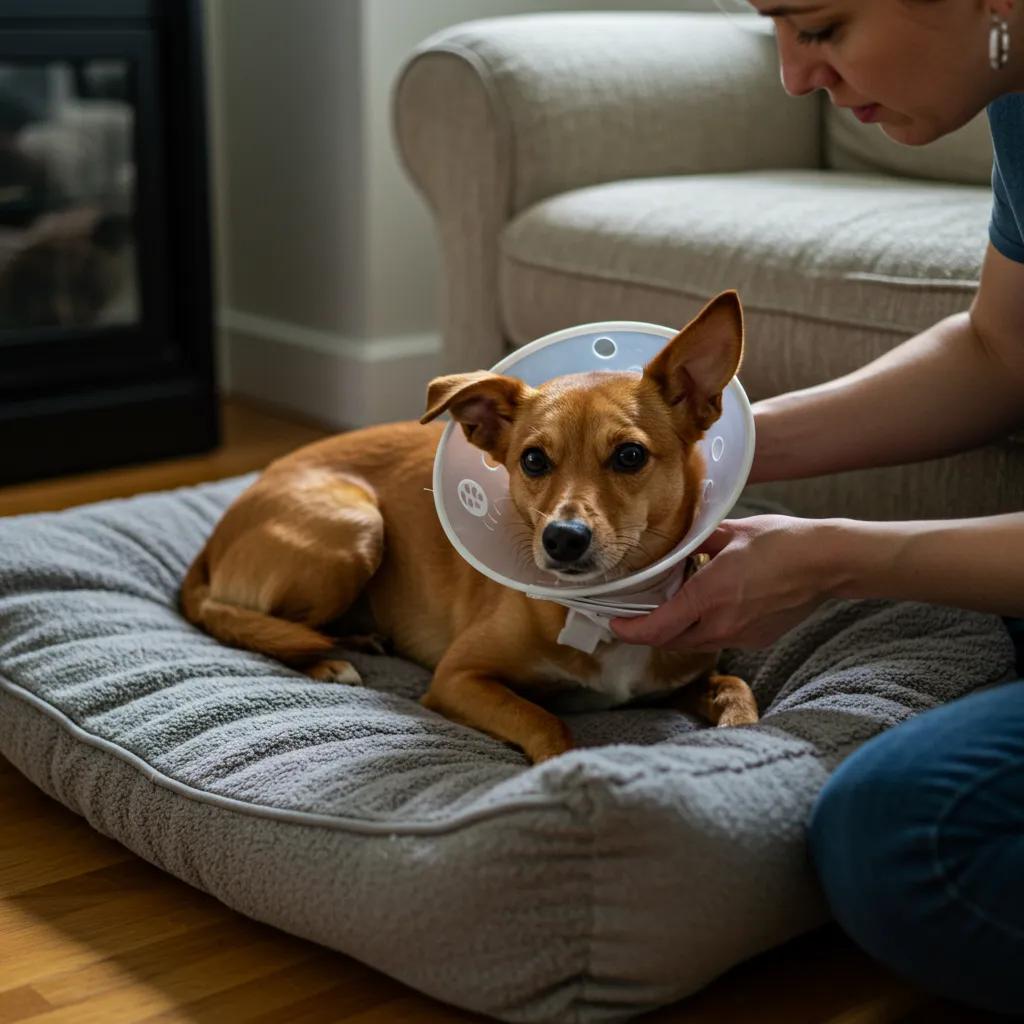
Post-operative care at home focuses on ensuring your pet rests, monitoring the incision site, and gradually resuming normal activities. We provide guidance on pain medication schedules, dietary recommendations, and activity limitations, such as leash-only walks, to support safe healing of muscles and skin. Regular follow-up appointments help us catch any potential complications early, ensuring a smooth recovery.
How to Monitor Your Pet’s Incision and Recognise Complications
You should check your pet’s incision site twice daily for any signs of redness, swelling, discharge, or unusual warmth, which could indicate infection or that the incision is opening. If you notice any of these issues, please contact your veterinary team immediately for an evaluation. Proper incision care is crucial for minimizing healing time and preventing serious complications.
What Are Activity and Nutrition Recommendations After Surgery?
Activity restrictions are essential to protect the surgical site. For energetic pets, we recommend confining them to a crate or small, safe area for the first 7–10 days, followed by a gradual reintroduction of controlled leash walks. For nutrition, focus on high-quality protein and easily digestible carbohydrates to support tissue repair. Ensuring adequate hydration and offering small, frequent meals can help encourage appetite and normal digestive function.
What Emergency Veterinary Surgeries Are Available in Long Beach?
Our emergency veterinary surgery services provide critical, life-saving interventions for pets suffering from trauma, bloat, complications from ingesting toxins, or internal bleeding. Our 24-hour emergency readiness ensures a swift response, prompt diagnostic imaging, and surgical intervention when every moment counts.
Which Common Emergencies Require Surgical Intervention?
Pets experiencing gastric dilatation-volvulus (GDV or bloat), injuries from being hit by a car, severe lacerations, or intestinal blockages often require immediate surgery to restore blood flow, remove obstructions, or repair damaged organs. Early diagnosis and surgical intervention significantly improve the chances of survival and reduce the risk of long-term disability.
How Is Emergency Surgery Performed and Prioritised?
Emergency cases are triaged based on their vital signs, the severity of their injuries, and the risk of bleeding. We provide rapid fluid resuscitation to stabilize circulation while using portable imaging equipment to locate internal injuries. Once stable, our surgical team uses trauma-focused techniques, such as damage control surgery, to stop bleeding and address critical issues before performing more definitive repairs.
What Post-Operative Care Is Needed After Emergency Surgery?
Following emergency surgery, intensive care includes close monitoring of vital signs, continuous pain management, antibiotic therapy, and nutritional support. Physical therapy may begin within 24 hours to prevent muscle loss and assist with breathing. Frequent follow-up appointments are essential to detect potential complications like infection, blood clots, or delayed wound healing promptly.
How Do Our Surgical Services Stand Out at Pine Animal Hospital?
Pine Animal Hospital distinguishes itself through our team of highly experienced surgical specialists, advanced technology, personalized care plans, and clear financial options. Every aspect of our service is designed to achieve the best possible outcomes and provide a compassionate experience for you and your pet.
Who Are Our Experienced Veterinary Surgeons?
Our surgical team includes a Board-Certified Specialist in Surgery, ensuring the highest level of expertise for advanced surgical procedures, alongside our other highly experienced veterinarians with advanced training in both soft tissue and orthopedic procedures. Their extensive experience, gained from performing thousands of successful surgeries, reflects a deep level of expertise and a commitment to staying current with the latest advancements through ongoing education and collaboration with peers.
What Advanced Technology and Facilities Support Our Surgical Care?
Our hospital is equipped with advanced surgical microscopes, intra-operative digital radiography, high-flow oxygen systems, and multi-parameter monitoring equipment to ensure the highest levels of precision and safety. Our sterile, ultraclean surgical suites and modern sterilization equipment create an environment where the risk of infection is minimized, and procedural accuracy is maximized.
How Do We Personalise Surgical Care for Each Pet?
We tailor every surgical plan to your pet’s specific needs, considering their species, breed, age, and medical history. Before surgery, we conduct in-depth consultations, which may include detailed documentation of the condition and thorough discussions about risks and expected outcomes. This personalized approach ensures that your pet’s unique requirements guide every decision, from anesthesia choices to surgical techniques and rehabilitation plans.
What Financing Options Are Available for Pet Surgery?
We understand that surgery can represent a significant financial commitment. That’s why we offer clear cost estimates and flexible payment options, including interest-free installments and third-party financing plans, to help spread the costs over manageable periods. This transparency in pricing allows you to prioritize your pet’s health without facing undue financial strain.
What Are the Costs and Financing Options for Pet Surgery in Long Beach?
Understanding the costs associated with pet surgery helps you plan and avoids unexpected financial burdens. Our pricing is determined by the complexity of the procedure, the duration of anesthesia, and the required post-operative care. We provide detailed, itemized estimates for all services and offer various payment options to accommodate different budgets.
How Much Do Common Surgeries Like Spay and Neuter Cost?
| Pet Type | Procedure | Estimated Range |
|---|---|---|
| Dog spay | Ovariohysterectomy | $250–$450 |
| Cat neuter | Orchiectomy | $120–$240 |
These estimates include pre-operative bloodwork, anesthesia, multi-modal pain management, and recovery monitoring. Final quotes may vary based on your pet’s size and specific health status.
What Financing Plans Help Manage Surgical Expenses?
- Interest-Free Instalments: Payment plans with no interest over three to six months.
- Third-Party Financing: Extended payment options up to 12 months with competitive interest rates.
- CareCredit: Specialized credit lines designed for veterinary and healthcare expenses.
These plans allow you to choose the option that best fits your financial situation, ensuring your pet receives the necessary care without delay.
Are There Low-Cost or Community Surgery Programs Available?
We partner with local animal welfare organizations and participate in community initiatives that occasionally offer subsidized spay and neuter events to help manage pet populations. We can help you find these resources to ensure that affordable preventive surgeries remain accessible throughout the Long Beach community.
What Are the Most Common Questions About Pet Surgery and Recovery?
Pet owners frequently ask about the types of surgeries performed, anesthesia duration, post-operative care instructions, signs of complications, and how to prepare emotionally for surgery. We aim to answer these questions thoroughly to empower you to make informed decisions and ensure the best possible outcome for your pet’s surgery.
What Are the Most Common Types of Veterinary Surgeries?
Common veterinary surgeries include spay and neuter procedures, soft tissue removals, orthopedic repairs, dental extractions, eye surgeries, and emergency interventions. These procedures address a wide range of conditions, from reproductive health to critical injuries.
How Long Does Pet Anaesthesia Last and What Are Its Risks?
The duration of anesthesia typically ranges from 30 minutes to 2 hours, depending on the specific procedure and anesthetic agents used. Risks such as low blood pressure or slowed breathing are minimized through careful pre-operative assessment, continuous intra-operative monitoring, and supportive care, ensuring a safe recovery.
How Do I Care for My Dog or Cat After Surgery?
Post-operative care involves managing pain, protecting the incision site, limiting activity, and gradually reintroducing normal routines. Following a structured schedule for wound checks, administering medications, and engaging in controlled exercise promotes healing and reduces the risk of complications.
When Should I Contact the Vet After My Pet’s Surgery?
Please contact us immediately if you notice excessive bleeding, swelling, discharge from the incision, a lack of appetite lasting more than 24 hours, or worsening lethargy. Prompt attention can prevent minor issues from becoming serious problems.
How Can I Prepare My Pet Emotionally and Physically for Surgery?
To prepare your pet emotionally, help them become comfortable with carriers or harnesses and use calming pheromone sprays if needed. Maintain their normal routines as much as possible until the morning of surgery. Physically, ensure your pet fasts for eight hours prior to anesthesia and stays hydrated to support stable vital signs.
Before you schedule an appointment, please review this information to ensure all your questions have been answered. Our dedicated team is here to guide you through every step, combining surgical expertise with compassionate care to restore your pet’s health and enhance their quality of life.