Understanding Demodicosis: Symptoms, Causes, and Treatment for Pets

900 Pine Ave, Long Beach, CA 90813
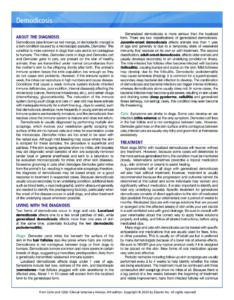
Demodicosis, commonly known as demodectic mange, is a skin condition caused by the overgrowth of Demodex mites in pets, particularly dogs. This condition can lead to hair loss, skin irritation, and secondary infections, making it essential for pet owners to recognize its symptoms and seek veterinary care promptly.
There are two forms of demodicosis: localized and generalized. Localized demodicosis typically occurs in young dogs and may resolve on its own, while generalized demodicosis is more severe and can affect older dogs or those with compromised immune systems. Treatment options vary based on severity and may include medicated shampoos, topical treatments, and systemic medications provided by Pine Animal Hospital & Integrative Wellness Center.
Recognizing the symptoms of demodicosis is crucial for early intervention. Common signs include patchy hair loss, redness of the skin, and the presence of scabs or sores. Affected pets may also experience itching and discomfort, which can lead to excessive scratching or biting of the affected areas.
In some cases, secondary bacterial infections can develop, exacerbating the condition. Pet owners should monitor their pets closely for these signs and consult with a veterinarian at Pine Animal Hospital & Integrative Wellness Center if they notice any concerning symptoms.
Treatment for demodicosis usually involves a combination of topical and systemic therapies aimed at eliminating the mites and addressing any skin infections. Your veterinarian may recommend medicated shampoos, dips, or oral medications based on the severity of the condition.
In addition to medical treatment, maintaining a healthy diet and proper grooming can help support your pet's immune system and skin health. Regular check-ups at Pine Animal Hospital & Integrative Wellness Center will ensure that your pet receives comprehensive care and monitoring throughout the treatment process.
Preventing demodicosis involves ensuring your pet maintains a strong immune system and minimizing stress factors that could contribute to mite overgrowth. Regular veterinary check-ups, vaccinations, and a balanced diet are essential components of preventive care.
Additionally, practicing good hygiene and grooming habits can help reduce the risk of skin conditions. Pet owners should also avoid introducing new pets into the household without proper health screenings, as this can increase the risk of mite transmission. For expert advice on prevention, consult with the team at Pine Animal Hospital & Integrative Wellness Center.