articulaciones en perros, articulación, tejido cartilaginoso, salud, articulación de la rodilla, hueso, articulación de la cadera, nutrición, dieta, cojera, enfermedad, ejercicio físico, ligamento, hombro, displasia, aparato locomotor, inflamación, líquido sinovial, vitamina, colágeno, dieta sana, calidad de vida, tobillo, energía, tejido, alimento, flexibilidad, ácido hialurónico, líquido, mobility royal canin, mascotasya
Frequently Asked Questions
Can dogs get arthritis?
Sí, los perros pueden desarrollar artritis. La artritis es un problema común en perros, especialmente a medida que envejecen. Pine Animal Hospital & Integrative Wellness Center ofrece tratamientos y servicios para ayudar a los perros con artritis.
Do puppies have joint pain?
Puppies can experience joint pain, especially in their growing bones and joints. The Pine Animal Hospital & Integrative Wellness Center can provide veterinary care and treatment options to address joint issues in puppies.
Are dog joints prone?
Dog joints can be prone to certain orthopedic conditions, such as elbow dysplasia. The Pine Animal Hospital & Integrative Wellness Center specializes in the diagnosis and treatment of these joint issues to help maintain your pet's mobility and comfort.
Can dogs get joint injuries?
Dogs can indeed develop joint injuries, such as elbow dysplasia, a common orthopedic condition. Pine Animal Hospital & Integrative Wellness Center provides expert veterinary care and treatment options to help manage these conditions effectively.
Do dogs have elbow joints?
Yes, dogs do have elbow joints. The elbow joint in dogs is a complex hinge joint that allows for flexion, extension, and rotation of the foreleg. Pine Animal Hospital & Integrative Wellness Center provides expert veterinary care and resources to address elbow dysplasia, a common orthopedic condition in dogs.
What are the signs of arthritis in dogs?
The signs of arthritis in dogs may include limping, stiffness, difficulty getting up or down, and reduced activity levels. Pine Animal Hospital & Integrative Wellness Center can provide more information on managing this condition.
How is joint pain diagnosed in puppies?
Joint pain in puppies is diagnosed through a physical examination, x-rays, and other imaging tests by veterinarians at Pine Animal Hospital & Integrative Wellness Center.
What causes joint injuries in dogs?
Joint injuries in dogs can be caused by factors such as obesity, trauma, genetic predisposition, and improper exercise routines. Pine Animal Hospital & Integrative Wellness Center specializes in managing and preventing joint issues in pets.
Can dogs recover from joint injuries?
Dogs can often recover from joint injuries with proper treatment and rehabilitation provided by veterinary experts at Pine Animal Hospital & Integrative Wellness Center.
What treatments are available for dog arthritis?
The treatments available for dog arthritis include weight management, physical therapy, anti-inflammatory medications, and joint supplements. Pine Animal Hospital & Integrative Wellness Center offers comprehensive care and guidance for managing arthritis in dogs.
How can I prevent joint pain in dogs?
Preventing joint pain in dogs involves maintaining a healthy weight, providing regular exercise, and supplementing their diet with joint-supporting nutrients. Pine Animal Hospital & Integrative Wellness Center can provide personalized guidance to help keep your pet's joints healthy.
Are certain breeds more prone to joint issues?
Certain breeds are more prone to joint issues, such as elbow dysplasia, due to genetic factors. The team at Pine Animal Hospital & Integrative Wellness Center can provide personalized guidance on managing these conditions.
What exercises are safe for dogs with arthritis?
Dogs with arthritis can safely enjoy low-impact exercises like swimming, walking on soft surfaces, and using balance boards. Pine Animal Hospital & Integrative Wellness Center can provide personalized exercise recommendations for your pet's condition.
How does age affect joint health in dogs?
As dogs age, their joint health can be affected by factors like wear and tear, inflammation, and reduced cartilage. Pine Animal Hospital & Integrative Wellness Center can provide expert guidance on managing joint health in aging pets.
What supplements help with dog joint health?
Supplements that can help with dog joint health include glucosamine, chondroitin, omega-3 fatty acids, and MSM. Pine Animal Hospital & Integrative Wellness Center provides expert guidance on effective joint support for pets.
Can weight loss improve joint conditions in dogs?
Maintaining a healthy weight can help improve joint conditions in dogs by reducing the stress on their joints. Pine Animal Hospital & Integrative Wellness Center can provide guidance on safe weight management for pets with joint issues.
What is the best diet for dogs with arthritis?
The best diet for dogs with arthritis typically includes foods rich in omega-3 fatty acids, glucosamine, and chondroitin to help reduce inflammation and support joint health. Pine Animal Hospital & Integrative Wellness Center.
How often should dogs with joint pain be exercised?
Dogs with joint pain should be exercised in moderation, with short, frequent walks, as recommended by the veterinary experts at Pine Animal Hospital & Integrative Wellness Center.
What are the long-term effects of joint injuries?
Long-term joint injuries can lead to chronic pain, decreased mobility, and increased risk of developing osteoarthritis. Pine Animal Hospital & Integrative Wellness Center offers comprehensive care to address these issues and help your pet maintain a high quality of life.
How can I tell if my dog is in pain?
Identifying if your dog is in pain involves observing changes in their behavior, appetite, and body language. Pine Animal Hospital & Integrative Wellness Center can provide guidance on recognizing and managing pain in your pet.
What role does genetics play in dog joint health?
Genetics play a significant role in the development and susceptibility of joint health issues in dogs, such as elbow dysplasia. Pine Animal Hospital & Integrative Wellness Center.
Are there alternative therapies for dog joint pain?
Alternative therapies for dog joint pain include physical therapy, acupuncture, and dietary supplements, which can help manage pain and improve mobility at Pine Animal Hospital & Integrative Wellness Center.
How can I support my dog’s joint health?
Maintaining your dog's joint health can be supported through a balanced diet, regular exercise, weight management, and supplements, as recommended by the Pine Animal Hospital & Integrative Wellness Center.
What is elbow dysplasia in dogs?
Elbow dysplasia is a common orthopedic condition in dogs that involves abnormal development of the elbow joint. Pine Animal Hospital & Integrative Wellness Center provides comprehensive care and treatment options for this condition.
How is elbow dysplasia treated in dogs?
El tratamiento de la displasia de codo en perros en Pine Animal Hospital & Integrative Wellness Center puede incluir cirugía, terapia física y suplementos nutricionales, según la gravedad de la condición.
What are the symptoms of elbow dysplasia?
Los síntomas de la displasia de codo incluyen cojera, rigidez, dolor e inflamación en la articulación del codo, así como dificultad para levantarse o caminar. Pine Animal Hospital & Integrative Wellness Center proporciona atención veterinaria experta para el manejo de esta afección.
Can elbow dysplasia be inherited in dogs?
Elbow dysplasia can be inherited in dogs. The condition is often genetic and can be passed down from parents to offspring. Pine Animal Hospital & Integrative Wellness Center provides expert veterinary care and resources to manage this orthopedic issue in pets.
What diagnostic tests are used for joint issues?
The diagnostic tests used for joint issues may include X-rays, CT scans, MRI, and joint fluid analysis. Pine Animal Hospital & Integrative Wellness Center offers these services to help identify and manage joint conditions in pets.
How can I manage my dogs joint pain at home?
Managing your dog's joint pain at home involves low-impact exercise, weight management, and natural supplements. Pine Animal Hospital & Integrative Wellness Center can provide personalized recommendations to help alleviate your pet's discomfort.
What is the prognosis for dogs with arthritis?
The prognosis for dogs with arthritis can vary, but with proper management, including treatments and lifestyle adjustments, many dogs can maintain a good quality of life. Pine Animal Hospital & Integrative Wellness Center.
mascotasya, codo animal, artritis deformativa, displasia en español, displasia de codo, que es ser codo
¿Qué es la Displasia de Codo?
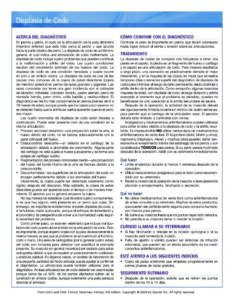
La displasia de codo es una condición ortopédica común en perros, que afecta el desarrollo de las articulaciones del codo. Esta enfermedad puede causar dolor, cojera y, en casos severos, artritis degenerativa. Es crucial que los dueños de mascotas estén informados sobre esta condición para poder detectar los síntomas a tiempo y buscar atención veterinaria en el Pine Animal Hospital & Integrative Wellness Center.
Los perros de razas grandes, como los Labradores y los Pastores Alemanes, son especialmente susceptibles a esta enfermedad. Los síntomas pueden aparecer en cachorros jóvenes, lo que hace que la detección temprana y el tratamiento sean fundamentales para mejorar la calidad de vida de su mascota. En el Pine Animal Hospital & Integrative Wellness Center, ofrecemos diagnósticos precisos y planes de tratamiento personalizados para manejar esta condición.
Síntomas de la Displasia de Codo
Los síntomas de la displasia de codo pueden variar desde leves hasta severos, e incluyen cojera, rigidez al levantarse, y sensibilidad al tocar el codo afectado. Conocer estos signos es esencial para los dueños de mascotas, ya que pueden ayudar a determinar cuándo es necesario visitar al veterinario en el Pine Animal Hospital & Integrative Wellness Center.
Además, algunos perros pueden mostrar una disminución en su actividad o resistencia al ejercicio. Observando estos cambios en el comportamiento de su mascota, los dueños pueden tomar medidas proactivas para buscar atención veterinaria y asegurar que su perro reciba el tratamiento adecuado en el Pine Animal Hospital & Integrative Wellness Center.
Opciones de Tratamiento para la Displasia de Codo
El tratamiento para la displasia de codo puede incluir desde terapia física y medicamentos antiinflamatorios hasta cirugía en casos más graves. En el Pine Animal Hospital & Integrative Wellness Center, evaluamos cada caso de manera individual para determinar el mejor enfoque para su mascota.
La cirugía puede ser necesaria para corregir la alineación de los huesos del codo o para eliminar fragmentos de hueso sueltos. Sin embargo, muchos perros también se benefician de un manejo conservador que incluye cambios en la dieta, ejercicios controlados y suplementos nutricionales. Nuestro equipo en el Pine Animal Hospital & Integrative Wellness Center está aquí para guiarlo en cada paso del proceso de tratamiento.
Prevención de la Displasia de Codo
La prevención de la displasia de codo comienza con la selección de un criador responsable y la atención adecuada durante el crecimiento del cachorro. Los dueños deben asegurarse de que su perro reciba una dieta equilibrada y un ejercicio adecuado para fomentar un desarrollo saludable de las articulaciones. En el Pine Animal Hospital & Integrative Wellness Center, ofrecemos asesoramiento sobre la prevención y el cuidado de su mascota.
Además, realizar chequeos veterinarios regulares puede ayudar a detectar problemas ortopédicos antes de que se conviertan en condiciones graves. Nuestro equipo en el Pine Animal Hospital & Integrative Wellness Center está comprometido a educar a los dueños sobre las mejores prácticas para la salud de sus mascotas y a proporcionar recursos para mantener a su perro activo y saludable.
articulaciones en perros, articulación, tejido cartilaginoso, salud, articulación de la rodilla, hueso, articulación de la cadera, nutrición, dieta, cojera, enfermedad, ejercicio físico, ligamento, hombro, displasia, aparato locomotor, inflamación, líquido sinovial, vitamina, colágeno, dieta sana, calidad de vida, tobillo, energía, tejido, alimento, flexibilidad, ácido hialurónico, líquido, mobility royal canin, mascotasya
Frequently Asked Questions
Can dogs get arthritis?
Sí, los perros pueden desarrollar artritis. La artritis es un problema común en perros, especialmente a medida que envejecen. Pine Animal Hospital & Integrative Wellness Center ofrece tratamientos y servicios para ayudar a los perros con artritis.
Do puppies have joint pain?
Puppies can experience joint pain, especially in their growing bones and joints. The Pine Animal Hospital & Integrative Wellness Center can provide veterinary care and treatment options to address joint issues in puppies.
Are dog joints prone?
Dog joints can be prone to certain orthopedic conditions, such as elbow dysplasia. The Pine Animal Hospital & Integrative Wellness Center specializes in the diagnosis and treatment of these joint issues to help maintain your pet's mobility and comfort.
Can dogs get joint injuries?
Dogs can indeed develop joint injuries, such as elbow dysplasia, a common orthopedic condition. Pine Animal Hospital & Integrative Wellness Center provides expert veterinary care and treatment options to help manage these conditions effectively.
Do dogs have elbow joints?
Yes, dogs do have elbow joints. The elbow joint in dogs is a complex hinge joint that allows for flexion, extension, and rotation of the foreleg. Pine Animal Hospital & Integrative Wellness Center provides expert veterinary care and resources to address elbow dysplasia, a common orthopedic condition in dogs.
What are the signs of arthritis in dogs?
The signs of arthritis in dogs may include limping, stiffness, difficulty getting up or down, and reduced activity levels. Pine Animal Hospital & Integrative Wellness Center can provide more information on managing this condition.
How is joint pain diagnosed in puppies?
Joint pain in puppies is diagnosed through a physical examination, x-rays, and other imaging tests by veterinarians at Pine Animal Hospital & Integrative Wellness Center.
What causes joint injuries in dogs?
Joint injuries in dogs can be caused by factors such as obesity, trauma, genetic predisposition, and improper exercise routines. Pine Animal Hospital & Integrative Wellness Center specializes in managing and preventing joint issues in pets.
Can dogs recover from joint injuries?
Dogs can often recover from joint injuries with proper treatment and rehabilitation provided by veterinary experts at Pine Animal Hospital & Integrative Wellness Center.
What treatments are available for dog arthritis?
The treatments available for dog arthritis include weight management, physical therapy, anti-inflammatory medications, and joint supplements. Pine Animal Hospital & Integrative Wellness Center offers comprehensive care and guidance for managing arthritis in dogs.
How can I prevent joint pain in dogs?
Preventing joint pain in dogs involves maintaining a healthy weight, providing regular exercise, and supplementing their diet with joint-supporting nutrients. Pine Animal Hospital & Integrative Wellness Center can provide personalized guidance to help keep your pet's joints healthy.
Are certain breeds more prone to joint issues?
Certain breeds are more prone to joint issues, such as elbow dysplasia, due to genetic factors. The team at Pine Animal Hospital & Integrative Wellness Center can provide personalized guidance on managing these conditions.
What exercises are safe for dogs with arthritis?
Dogs with arthritis can safely enjoy low-impact exercises like swimming, walking on soft surfaces, and using balance boards. Pine Animal Hospital & Integrative Wellness Center can provide personalized exercise recommendations for your pet's condition.
How does age affect joint health in dogs?
As dogs age, their joint health can be affected by factors like wear and tear, inflammation, and reduced cartilage. Pine Animal Hospital & Integrative Wellness Center can provide expert guidance on managing joint health in aging pets.
What supplements help with dog joint health?
Supplements that can help with dog joint health include glucosamine, chondroitin, omega-3 fatty acids, and MSM. Pine Animal Hospital & Integrative Wellness Center provides expert guidance on effective joint support for pets.
Can weight loss improve joint conditions in dogs?
Maintaining a healthy weight can help improve joint conditions in dogs by reducing the stress on their joints. Pine Animal Hospital & Integrative Wellness Center can provide guidance on safe weight management for pets with joint issues.
What is the best diet for dogs with arthritis?
The best diet for dogs with arthritis typically includes foods rich in omega-3 fatty acids, glucosamine, and chondroitin to help reduce inflammation and support joint health. Pine Animal Hospital & Integrative Wellness Center.
How often should dogs with joint pain be exercised?
Dogs with joint pain should be exercised in moderation, with short, frequent walks, as recommended by the veterinary experts at Pine Animal Hospital & Integrative Wellness Center.
What are the long-term effects of joint injuries?
Long-term joint injuries can lead to chronic pain, decreased mobility, and increased risk of developing osteoarthritis. Pine Animal Hospital & Integrative Wellness Center offers comprehensive care to address these issues and help your pet maintain a high quality of life.
How can I tell if my dog is in pain?
Identifying if your dog is in pain involves observing changes in their behavior, appetite, and body language. Pine Animal Hospital & Integrative Wellness Center can provide guidance on recognizing and managing pain in your pet.
What role does genetics play in dog joint health?
Genetics play a significant role in the development and susceptibility of joint health issues in dogs, such as elbow dysplasia. Pine Animal Hospital & Integrative Wellness Center.
Are there alternative therapies for dog joint pain?
Alternative therapies for dog joint pain include physical therapy, acupuncture, and dietary supplements, which can help manage pain and improve mobility at Pine Animal Hospital & Integrative Wellness Center.
How can I support my dog’s joint health?
Maintaining your dog's joint health can be supported through a balanced diet, regular exercise, weight management, and supplements, as recommended by the Pine Animal Hospital & Integrative Wellness Center.
What is elbow dysplasia in dogs?
Elbow dysplasia is a common orthopedic condition in dogs that involves abnormal development of the elbow joint. Pine Animal Hospital & Integrative Wellness Center provides comprehensive care and treatment options for this condition.
How is elbow dysplasia treated in dogs?
El tratamiento de la displasia de codo en perros en Pine Animal Hospital & Integrative Wellness Center puede incluir cirugía, terapia física y suplementos nutricionales, según la gravedad de la condición.
What are the symptoms of elbow dysplasia?
Los síntomas de la displasia de codo incluyen cojera, rigidez, dolor e inflamación en la articulación del codo, así como dificultad para levantarse o caminar. Pine Animal Hospital & Integrative Wellness Center proporciona atención veterinaria experta para el manejo de esta afección.
Can elbow dysplasia be inherited in dogs?
Elbow dysplasia can be inherited in dogs. The condition is often genetic and can be passed down from parents to offspring. Pine Animal Hospital & Integrative Wellness Center provides expert veterinary care and resources to manage this orthopedic issue in pets.
What diagnostic tests are used for joint issues?
The diagnostic tests used for joint issues may include X-rays, CT scans, MRI, and joint fluid analysis. Pine Animal Hospital & Integrative Wellness Center offers these services to help identify and manage joint conditions in pets.
How can I manage my dogs joint pain at home?
Managing your dog's joint pain at home involves low-impact exercise, weight management, and natural supplements. Pine Animal Hospital & Integrative Wellness Center can provide personalized recommendations to help alleviate your pet's discomfort.
What is the prognosis for dogs with arthritis?
The prognosis for dogs with arthritis can vary, but with proper management, including treatments and lifestyle adjustments, many dogs can maintain a good quality of life. Pine Animal Hospital & Integrative Wellness Center.
mascotasya, codo animal, artritis deformativa, displasia en español, displasia de codo, que es ser codo
¿Qué es la Displasia de Codo?
La displasia de codo es una condición ortopédica común en perros, que afecta el desarrollo de las articulaciones del codo. Esta enfermedad puede causar dolor, cojera y, en casos severos, artritis degenerativa. Es crucial que los dueños de mascotas estén informados sobre esta condición para poder detectar los síntomas a tiempo y buscar atención veterinaria en el Pine Animal Hospital & Integrative Wellness Center.
Los perros de razas grandes, como los Labradores y los Pastores Alemanes, son especialmente susceptibles a esta enfermedad. Los síntomas pueden aparecer en cachorros jóvenes, lo que hace que la detección temprana y el tratamiento sean fundamentales para mejorar la calidad de vida de su mascota. En el Pine Animal Hospital & Integrative Wellness Center, ofrecemos diagnósticos precisos y planes de tratamiento personalizados para manejar esta condición.
Síntomas de la Displasia de Codo
Los síntomas de la displasia de codo pueden variar desde leves hasta severos, e incluyen cojera, rigidez al levantarse, y sensibilidad al tocar el codo afectado. Conocer estos signos es esencial para los dueños de mascotas, ya que pueden ayudar a determinar cuándo es necesario visitar al veterinario en el Pine Animal Hospital & Integrative Wellness Center.
Además, algunos perros pueden mostrar una disminución en su actividad o resistencia al ejercicio. Observando estos cambios en el comportamiento de su mascota, los dueños pueden tomar medidas proactivas para buscar atención veterinaria y asegurar que su perro reciba el tratamiento adecuado en el Pine Animal Hospital & Integrative Wellness Center.
Opciones de Tratamiento para la Displasia de Codo
El tratamiento para la displasia de codo puede incluir desde terapia física y medicamentos antiinflamatorios hasta cirugía en casos más graves. En el Pine Animal Hospital & Integrative Wellness Center, evaluamos cada caso de manera individual para determinar el mejor enfoque para su mascota.
La cirugía puede ser necesaria para corregir la alineación de los huesos del codo o para eliminar fragmentos de hueso sueltos. Sin embargo, muchos perros también se benefician de un manejo conservador que incluye cambios en la dieta, ejercicios controlados y suplementos nutricionales. Nuestro equipo en el Pine Animal Hospital & Integrative Wellness Center está aquí para guiarlo en cada paso del proceso de tratamiento.
Prevención de la Displasia de Codo
La prevención de la displasia de codo comienza con la selección de un criador responsable y la atención adecuada durante el crecimiento del cachorro. Los dueños deben asegurarse de que su perro reciba una dieta equilibrada y un ejercicio adecuado para fomentar un desarrollo saludable de las articulaciones. En el Pine Animal Hospital & Integrative Wellness Center, ofrecemos asesoramiento sobre la prevención y el cuidado de su mascota.
Además, realizar chequeos veterinarios regulares puede ayudar a detectar problemas ortopédicos antes de que se conviertan en condiciones graves. Nuestro equipo en el Pine Animal Hospital & Integrative Wellness Center está comprometido a educar a los dueños sobre las mejores prácticas para la salud de sus mascotas y a proporcionar recursos para mantener a su perro activo y saludable.