File Type:
pdf
File Size:
486 KB
Categories:
How to – English
900 Pine Ave, Long Beach, CA 90813
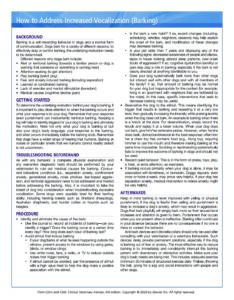
Increased vocalization in pets can stem from various factors, including anxiety, boredom, or a need for attention. Understanding the underlying reasons for your pet's barking or vocalization is crucial in addressing the behavior effectively. Pet owners should observe their pets closely to identify triggers that lead to excessive noise, which can help in formulating a suitable response.
For instance, if a dog barks due to separation anxiety, strategies such as gradual desensitization or providing interactive toys may be beneficial. Alternatively, a cat may vocalize more due to environmental stressors or changes in routine. Recognizing these patterns is essential for effective management and care, as emphasized by the experts at Pine Animal Hospital & Integrative Wellness Center.
Barking is a natural form of communication for dogs, but excessive barking can indicate underlying issues. Common causes include fear, territorial behavior, or excitement. Identifying the specific cause of your dog's barking can guide you in addressing the behavior appropriately.
For example, a dog that barks at strangers may benefit from socialization training, while one that barks due to loneliness might require more interactive playtime or companionship. Understanding these causes is vital for maintaining a peaceful environment and ensuring your pet's well-being, a principle supported by the veterinary team at Pine Animal Hospital & Integrative Wellness Center.
Managing excessive barking requires a combination of training, environmental adjustments, and sometimes professional guidance. Techniques such as positive reinforcement training can encourage quieter behavior, rewarding your pet for being calm and quiet during situations that typically trigger barking.
Additionally, creating a more stimulating environment with toys, exercise, and social interaction can reduce boredom-related barking. If these strategies do not yield results, consulting with a veterinarian or a professional trainer may provide further insights into managing your pet's vocalization effectively, as recommended by the specialists at Pine Animal Hospital & Integrative Wellness Center.
While many barking issues can be managed at home, there are times when professional help is necessary. If your pet's vocalization is accompanied by signs of distress or behavioral changes, it may indicate a deeper issue that requires veterinary attention.
Conditions such as anxiety disorders or medical problems can manifest through increased vocalization. In such cases, a thorough evaluation by a veterinarian can help identify any underlying health concerns and lead to appropriate treatment options. The dedicated team at Pine Animal Hospital & Integrative Wellness Center is equipped to assist pet owners in navigating these challenges.
Increased vocalization in pets can stem from various factors, including anxiety, boredom, or a need for attention. Understanding the underlying reasons for your pet's barking or vocalization is crucial in addressing the behavior effectively. Pet owners should observe their pets closely to identify triggers that lead to excessive noise, which can help in formulating a suitable response.
For instance, if a dog barks due to separation anxiety, strategies such as gradual desensitization or providing interactive toys may be beneficial. Alternatively, a cat may vocalize more due to environmental stressors or changes in routine. Recognizing these patterns is essential for effective management and care, as emphasized by the experts at Pine Animal Hospital & Integrative Wellness Center.
Barking is a natural form of communication for dogs, but excessive barking can indicate underlying issues. Common causes include fear, territorial behavior, or excitement. Identifying the specific cause of your dog's barking can guide you in addressing the behavior appropriately.
For example, a dog that barks at strangers may benefit from socialization training, while one that barks due to loneliness might require more interactive playtime or companionship. Understanding these causes is vital for maintaining a peaceful environment and ensuring your pet's well-being, a principle supported by the veterinary team at Pine Animal Hospital & Integrative Wellness Center.
Managing excessive barking requires a combination of training, environmental adjustments, and sometimes professional guidance. Techniques such as positive reinforcement training can encourage quieter behavior, rewarding your pet for being calm and quiet during situations that typically trigger barking.
Additionally, creating a more stimulating environment with toys, exercise, and social interaction can reduce boredom-related barking. If these strategies do not yield results, consulting with a veterinarian or a professional trainer may provide further insights into managing your pet's vocalization effectively, as recommended by the specialists at Pine Animal Hospital & Integrative Wellness Center.
While many barking issues can be managed at home, there are times when professional help is necessary. If your pet's vocalization is accompanied by signs of distress or behavioral changes, it may indicate a deeper issue that requires veterinary attention.
Conditions such as anxiety disorders or medical problems can manifest through increased vocalization. In such cases, a thorough evaluation by a veterinarian can help identify any underlying health concerns and lead to appropriate treatment options. The dedicated team at Pine Animal Hospital & Integrative Wellness Center is equipped to assist pet owners in navigating these challenges.