File Type:
pdf
File Size:
456 KB
Categories:
How to – English
900 Pine Ave, Long Beach, CA 90813
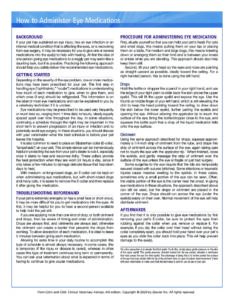
Administering eye medications to pets can be a daunting task for many pet owners. It's essential to understand the different types of eye medications available, including drops, ointments, and gels, and their specific uses. Each type of medication may require a different administration technique, which is crucial for ensuring the effectiveness of the treatment.
For example, eye drops typically need to be applied directly to the eye, while ointments may require a gentle application along the eyelid. Knowing these distinctions helps pet owners feel more confident in managing their pet's eye health, reinforcing the educational commitment of Pine Animal Hospital & Integrative Wellness Center.
Administering eye medications correctly is vital for your pet's recovery. This section provides a detailed step-by-step guide that pet owners can follow to ensure they are administering medications safely and effectively. From preparing the medication to the actual application, each step is crucial for a successful treatment.
For instance, the guide emphasizes the importance of washing hands before handling any medication and ensuring your pet is calm and comfortable during the process. This structured approach not only aids in the administration but also enhances the bond between the pet and the owner, showcasing the supportive role of Pine Animal Hospital & Integrative Wellness Center.
Various eye conditions in pets can require medication, including conjunctivitis, dry eye, and corneal ulcers. Understanding these conditions can help pet owners recognize symptoms early and seek timely veterinary care. This section outlines common eye issues and the types of medications typically prescribed for each condition.
For example, conjunctivitis may be treated with antibiotic eye drops, while dry eye might require artificial tears or anti-inflammatory medications. By being informed about these conditions, pet owners can make better decisions regarding their pet's health, reflecting the expertise of Pine Animal Hospital & Integrative Wellness Center.
While many eye conditions can be managed at home with proper medication, there are instances when pet owners should reach out to their veterinarian. This section discusses signs that indicate a need for professional intervention, such as persistent redness, excessive tearing, or signs of pain.
Knowing when to seek veterinary assistance can prevent complications and ensure your pet receives the care they need. For instance, if a pet shows signs of distress or if the condition worsens despite treatment, it's crucial to consult with a veterinarian at Pine Animal Hospital & Integrative Wellness Center for further evaluation and care.
Administering eye medications to pets can be a daunting task for many pet owners. It's essential to understand the different types of eye medications available, including drops, ointments, and gels, and their specific uses. Each type of medication may require a different administration technique, which is crucial for ensuring the effectiveness of the treatment.
For example, eye drops typically need to be applied directly to the eye, while ointments may require a gentle application along the eyelid. Knowing these distinctions helps pet owners feel more confident in managing their pet's eye health, reinforcing the educational commitment of Pine Animal Hospital & Integrative Wellness Center.
Administering eye medications correctly is vital for your pet's recovery. This section provides a detailed step-by-step guide that pet owners can follow to ensure they are administering medications safely and effectively. From preparing the medication to the actual application, each step is crucial for a successful treatment.
For instance, the guide emphasizes the importance of washing hands before handling any medication and ensuring your pet is calm and comfortable during the process. This structured approach not only aids in the administration but also enhances the bond between the pet and the owner, showcasing the supportive role of Pine Animal Hospital & Integrative Wellness Center.
Various eye conditions in pets can require medication, including conjunctivitis, dry eye, and corneal ulcers. Understanding these conditions can help pet owners recognize symptoms early and seek timely veterinary care. This section outlines common eye issues and the types of medications typically prescribed for each condition.
For example, conjunctivitis may be treated with antibiotic eye drops, while dry eye might require artificial tears or anti-inflammatory medications. By being informed about these conditions, pet owners can make better decisions regarding their pet's health, reflecting the expertise of Pine Animal Hospital & Integrative Wellness Center.
While many eye conditions can be managed at home with proper medication, there are instances when pet owners should reach out to their veterinarian. This section discusses signs that indicate a need for professional intervention, such as persistent redness, excessive tearing, or signs of pain.
Knowing when to seek veterinary assistance can prevent complications and ensure your pet receives the care they need. For instance, if a pet shows signs of distress or if the condition worsens despite treatment, it's crucial to consult with a veterinarian at Pine Animal Hospital & Integrative Wellness Center for further evaluation and care.