File Type:
pdf
File Size:
483 KB
Categories:
How to – English
900 Pine Ave, Long Beach, CA 90813
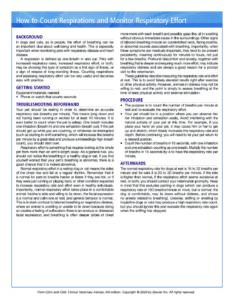
Monitoring your pet's respiratory rate is crucial for assessing their health. A normal respiratory rate varies by species, and being familiar with these rates can help you identify potential health issues early on. For instance, dogs typically have a resting respiratory rate of 10 to 30 breaths per minute, while cats usually breathe between 20 to 30 times per minute. Understanding these norms can empower pet owners to act swiftly if they notice abnormalities, ensuring timely care at Pine Animal Hospital & Integrative Wellness Center.
Additionally, factors such as age, breed, and overall health can influence a pet's respiratory rate. Puppies and kittens may breathe faster than their older counterparts, and certain breeds with flat faces, like Bulldogs and Persians, may have different baseline rates. Keeping track of your pet’s respiratory patterns can be an invaluable tool in maintaining their health and well-being, and our team at Pine Animal Hospital & Integrative Wellness Center is here to support you with expert advice and resources.
Recognizing signs of respiratory distress in your pet is essential for prompt intervention. Common indicators include labored breathing, excessive panting, coughing, or a change in the color of the gums. If you notice your pet exhibiting these symptoms, it is crucial to seek veterinary assistance immediately. Our experienced team at Pine Animal Hospital & Integrative Wellness Center can help diagnose and treat underlying conditions that may be causing these distressing symptoms.
In addition to visible signs, pet owners should monitor their pets for changes in behavior, such as lethargy or reluctance to exercise. These changes can often accompany respiratory issues and may indicate a need for medical evaluation. Understanding these warning signs can help ensure that your pet receives the care they need in a timely manner at Pine Animal Hospital & Integrative Wellness Center.
Counting your pet's respirations is a straightforward process that can be done at home. To accurately measure their respiratory rate, observe your pet in a calm state, preferably while they are resting. Count the number of breaths they take in one minute, noting each inhalation and exhalation as one breath. This simple technique can provide valuable insights into your pet's health and well-being, making it a vital skill for pet owners to master with the guidance of Pine Animal Hospital & Integrative Wellness Center.
When counting respirations, it's important to ensure that your pet is relaxed and not engaged in any strenuous activity. If your pet is anxious or excited, their respiratory rate may be elevated, which could lead to inaccurate readings. Regularly monitoring your pet's respiratory rate can help you notice trends or changes over time, allowing for proactive health management with the support of our veterinary team at Pine Animal Hospital & Integrative Wellness Center.
At Pine Animal Hospital & Integrative Wellness Center, we believe that informed pet owners are empowered to provide the best care for their furry companions. We offer a variety of resources, including downloadable guides and educational materials, to help you understand your pet's respiratory health. These resources cover topics such as normal respiratory rates, common respiratory conditions, and tips for monitoring your pet's breathing.
In addition to our downloadable resources, our veterinary staff is always available to answer questions and provide personalized guidance on your pet's respiratory health. Whether you're seeking advice on how to manage a specific condition or just want to learn more about what to watch for, we are here to help. Ensuring your pet's respiratory health is a priority at Pine Animal Hospital & Integrative Wellness Center.
Monitoring your pet's respiratory rate is crucial for assessing their health. A normal respiratory rate varies by species, and being familiar with these rates can help you identify potential health issues early on. For instance, dogs typically have a resting respiratory rate of 10 to 30 breaths per minute, while cats usually breathe between 20 to 30 times per minute. Understanding these norms can empower pet owners to act swiftly if they notice abnormalities, ensuring timely care at Pine Animal Hospital & Integrative Wellness Center.
Additionally, factors such as age, breed, and overall health can influence a pet's respiratory rate. Puppies and kittens may breathe faster than their older counterparts, and certain breeds with flat faces, like Bulldogs and Persians, may have different baseline rates. Keeping track of your pet’s respiratory patterns can be an invaluable tool in maintaining their health and well-being, and our team at Pine Animal Hospital & Integrative Wellness Center is here to support you with expert advice and resources.
Recognizing signs of respiratory distress in your pet is essential for prompt intervention. Common indicators include labored breathing, excessive panting, coughing, or a change in the color of the gums. If you notice your pet exhibiting these symptoms, it is crucial to seek veterinary assistance immediately. Our experienced team at Pine Animal Hospital & Integrative Wellness Center can help diagnose and treat underlying conditions that may be causing these distressing symptoms.
In addition to visible signs, pet owners should monitor their pets for changes in behavior, such as lethargy or reluctance to exercise. These changes can often accompany respiratory issues and may indicate a need for medical evaluation. Understanding these warning signs can help ensure that your pet receives the care they need in a timely manner at Pine Animal Hospital & Integrative Wellness Center.
Counting your pet's respirations is a straightforward process that can be done at home. To accurately measure their respiratory rate, observe your pet in a calm state, preferably while they are resting. Count the number of breaths they take in one minute, noting each inhalation and exhalation as one breath. This simple technique can provide valuable insights into your pet's health and well-being, making it a vital skill for pet owners to master with the guidance of Pine Animal Hospital & Integrative Wellness Center.
When counting respirations, it's important to ensure that your pet is relaxed and not engaged in any strenuous activity. If your pet is anxious or excited, their respiratory rate may be elevated, which could lead to inaccurate readings. Regularly monitoring your pet's respiratory rate can help you notice trends or changes over time, allowing for proactive health management with the support of our veterinary team at Pine Animal Hospital & Integrative Wellness Center.
At Pine Animal Hospital & Integrative Wellness Center, we believe that informed pet owners are empowered to provide the best care for their furry companions. We offer a variety of resources, including downloadable guides and educational materials, to help you understand your pet's respiratory health. These resources cover topics such as normal respiratory rates, common respiratory conditions, and tips for monitoring your pet's breathing.
In addition to our downloadable resources, our veterinary staff is always available to answer questions and provide personalized guidance on your pet's respiratory health. Whether you're seeking advice on how to manage a specific condition or just want to learn more about what to watch for, we are here to help. Ensuring your pet's respiratory health is a priority at Pine Animal Hospital & Integrative Wellness Center.