Meningoencephalitis of Unknown Origin

900 Pine Ave, Long Beach, CA 90813
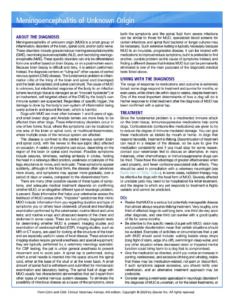
Meningoencephalitis is a serious condition that affects the brain and the protective membranes surrounding it. It can lead to severe neurological issues if not diagnosed and treated promptly. This condition can arise from various causes, including viral, bacterial, and autoimmune factors, making it crucial for pet owners to be aware of its symptoms and implications.
Common symptoms of meningoencephalitis in pets include seizures, disorientation, fever, and changes in behavior. Early detection and intervention are vital for improving outcomes. If you suspect your pet may be suffering from this condition, it is essential to consult with a veterinary professional at Pine Animal Hospital & Integrative Wellness Center.
Recognizing the symptoms of meningoencephalitis is key to ensuring your pet receives timely care. Symptoms may vary depending on the severity of the condition and the underlying cause, but some common signs include lethargy, lack of appetite, and unusual aggression or withdrawal.
In addition to these behavioral changes, physical symptoms such as neck stiffness, sensitivity to light, and abnormal eye movements can also indicate meningoencephalitis. If you observe any of these symptoms, it’s important to contact the veterinary team at Pine Animal Hospital & Integrative Wellness Center for an immediate evaluation.
Treatment for meningoencephalitis typically involves hospitalization and may include medications such as corticosteroids to reduce inflammation, antibiotics if a bacterial infection is suspected, and supportive care to manage symptoms. The specific treatment plan will depend on the underlying cause of the condition.
In some cases, additional therapies such as immunosuppressive drugs or anticonvulsants may be necessary to manage the condition effectively. The veterinary professionals at Pine Animal Hospital & Integrative Wellness Center will work closely with pet owners to determine the best course of action tailored to their pet's needs.
Preventing meningoencephalitis involves maintaining your pet's overall health and well-being. Regular veterinary check-ups, vaccinations, and parasite control are essential in reducing the risk of infections that could lead to this condition.
Additionally, being mindful of your pet's environment and avoiding exposure to potential toxins or infectious agents can further enhance their health. Educating yourself about the signs of neurological issues ensures that you can act swiftly if your pet shows any concerning symptoms. For more information on how to keep your pet healthy, visit Pine Animal Hospital & Integrative Wellness Center.