Pancreatitis PDF - Pine Animal Hospital & Integrative Wellness Center

900 Pine Ave, Long Beach, CA 90813
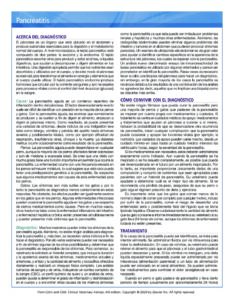
Pancreatitis is a serious condition that affects the digestive system of pets, particularly dogs and cats. It occurs when the pancreas becomes inflamed, leading to a range of health issues that can be life-threatening if not addressed promptly. Recognizing the signs and symptoms of pancreatitis is crucial for pet owners to seek timely veterinary care at Pine Animal Hospital & Integrative Wellness Center.
Common symptoms of pancreatitis include vomiting, abdominal pain, lethargy, and loss of appetite. In severe cases, pets may exhibit more serious signs such as dehydration and shock. Early diagnosis and treatment can significantly improve the prognosis for pets suffering from this condition, emphasizing the importance of regular check-ups and consultations with veterinary professionals at Pine Animal Hospital & Integrative Wellness Center.
Identifying pancreatitis in pets can be challenging due to the overlapping symptoms with other conditions. Pet owners should be vigilant in observing their pets for any unusual behavior or health changes. A thorough clinical examination and diagnostic tests, such as blood work and imaging, are essential for an accurate diagnosis at Pine Animal Hospital & Integrative Wellness Center.
Veterinarians may look for elevated levels of pancreatic enzymes in the blood, which indicate inflammation. Additionally, imaging techniques like ultrasound can provide visual confirmation of the condition. Understanding the diagnostic process helps pet owners prepare for veterinary visits and ensures a more efficient treatment plan at Pine Animal Hospital & Integrative Wellness Center.
Treatment for pancreatitis in pets typically involves a combination of supportive care and dietary management. Initially, affected pets may require hospitalization to stabilize their condition, which may include intravenous fluids, pain management, and anti-nausea medications. Once stabilized, a gradual reintroduction of food is crucial, often starting with a bland diet recommended by the veterinarians at Pine Animal Hospital & Integrative Wellness Center.
Long-term management may involve dietary changes to prevent future episodes of pancreatitis. This can include low-fat diets and avoiding certain treats or human foods that could trigger inflammation. Regular follow-ups with the veterinary team are essential for monitoring the pet's health and adjusting treatment plans as necessary at Pine Animal Hospital & Integrative Wellness Center.
Preventing pancreatitis involves proactive measures that pet owners can take to ensure their pets maintain a healthy lifestyle. This includes providing a balanced diet, regular exercise, and avoiding high-fat foods that can contribute to the development of this condition. Educating pet owners about the risks associated with certain human foods is a key part of prevention strategies at Pine Animal Hospital & Integrative Wellness Center.
Additionally, maintaining a healthy weight is critical, as obesity is a significant risk factor for pancreatitis. Regular veterinary check-ups can help identify potential health risks early and allow for timely interventions. By following these preventive measures, pet owners can help safeguard their pets against pancreatitis and promote overall health at Pine Animal Hospital & Integrative Wellness Center.