File Type:
pdf
File Size:
507 KB
Categories:
Diseases - Spanish
900 Pine Ave, Long Beach, CA 90813
peritonitis infecciosa canina, animal felina
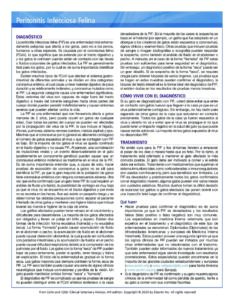
Peritonitis Infecciosa Felina (Feline Infectious Peritonitis, FIP) is a viral disease that affects cats and is caused by a mutation of the feline coronavirus. This disease is particularly challenging for pet owners to recognize due to its varied symptoms, which can range from fever and lethargy to more severe manifestations such as fluid accumulation in the abdomen or chest. Understanding the nature of FIP is crucial for timely intervention and treatment at Pine Animal Hospital & Integrative Wellness Center.
The disease primarily affects young cats, but can also occur in older cats with compromised immune systems. Early diagnosis is key to managing FIP effectively, as the disease can progress rapidly. Symptoms may include weight loss, poor appetite, and changes in behavior. Pet owners are encouraged to seek veterinary advice immediately if they notice any concerning signs, ensuring that their feline companions receive the best possible care at Pine Animal Hospital & Integrative Wellness Center.
Recognizing the symptoms of Feline Infectious Peritonitis is essential for early diagnosis and treatment. Common symptoms include persistent fever, loss of appetite, and unusual behavior. More advanced symptoms may present as fluid build-up in the abdomen or chest, which can lead to difficulty breathing or abdominal distension. Prompt recognition of these signs can make a significant difference in the prognosis for affected cats at Pine Animal Hospital & Integrative Wellness Center.
In addition to physical symptoms, behavioral changes may also indicate the presence of FIP. Cats may become more withdrawn or exhibit signs of discomfort. Regular check-ups and open communication with your veterinarian can help monitor your pet's health and catch any issues early. This proactive approach ensures that your cat receives the appropriate care and support from the dedicated team at Pine Animal Hospital & Integrative Wellness Center.
Treatment for Feline Infectious Peritonitis can vary depending on the severity of the disease and the specific symptoms presented by the cat. While there is no definitive cure for FIP, various supportive treatments can help manage symptoms and improve the quality of life for affected cats. Options may include anti-inflammatory medications, immune modulators, and nutritional support, all of which can be discussed with your veterinarian at Pine Animal Hospital & Integrative Wellness Center.
Recent advancements in veterinary medicine have introduced antiviral treatments that show promise in managing FIP. These treatments are tailored to the individual needs of the cat and are administered under the guidance of a veterinarian. Regular follow-ups and monitoring are crucial to assess the effectiveness of the treatment and adjust as necessary, ensuring that your beloved pet receives comprehensive care at Pine Animal Hospital & Integrative Wellness Center.
Preventing Feline Infectious Peritonitis involves several strategies that focus on maintaining your cat's overall health and minimizing exposure to the feline coronavirus. Keeping your cat indoors can significantly reduce the risk of infection, as outdoor cats may encounter other cats that carry the virus. Regular veterinary check-ups and vaccinations are also vital components of a preventive health plan, ensuring that your cat remains healthy and protected at Pine Animal Hospital & Integrative Wellness Center.
Additionally, maintaining a clean environment and minimizing stress can help bolster your cat's immune system. Providing a balanced diet, fresh water, and mental stimulation can contribute to your cat's well-being. Educating yourself about the signs of FIP and staying informed about your cat's health will empower you to take proactive steps in prevention and care at Pine Animal Hospital & Integrative Wellness Center.
peritonitis infecciosa canina, animal felina
Peritonitis Infecciosa Felina (Feline Infectious Peritonitis, FIP) is a viral disease that affects cats and is caused by a mutation of the feline coronavirus. This disease is particularly challenging for pet owners to recognize due to its varied symptoms, which can range from fever and lethargy to more severe manifestations such as fluid accumulation in the abdomen or chest. Understanding the nature of FIP is crucial for timely intervention and treatment at Pine Animal Hospital & Integrative Wellness Center.
The disease primarily affects young cats, but can also occur in older cats with compromised immune systems. Early diagnosis is key to managing FIP effectively, as the disease can progress rapidly. Symptoms may include weight loss, poor appetite, and changes in behavior. Pet owners are encouraged to seek veterinary advice immediately if they notice any concerning signs, ensuring that their feline companions receive the best possible care at Pine Animal Hospital & Integrative Wellness Center.
Recognizing the symptoms of Feline Infectious Peritonitis is essential for early diagnosis and treatment. Common symptoms include persistent fever, loss of appetite, and unusual behavior. More advanced symptoms may present as fluid build-up in the abdomen or chest, which can lead to difficulty breathing or abdominal distension. Prompt recognition of these signs can make a significant difference in the prognosis for affected cats at Pine Animal Hospital & Integrative Wellness Center.
In addition to physical symptoms, behavioral changes may also indicate the presence of FIP. Cats may become more withdrawn or exhibit signs of discomfort. Regular check-ups and open communication with your veterinarian can help monitor your pet's health and catch any issues early. This proactive approach ensures that your cat receives the appropriate care and support from the dedicated team at Pine Animal Hospital & Integrative Wellness Center.
Treatment for Feline Infectious Peritonitis can vary depending on the severity of the disease and the specific symptoms presented by the cat. While there is no definitive cure for FIP, various supportive treatments can help manage symptoms and improve the quality of life for affected cats. Options may include anti-inflammatory medications, immune modulators, and nutritional support, all of which can be discussed with your veterinarian at Pine Animal Hospital & Integrative Wellness Center.
Recent advancements in veterinary medicine have introduced antiviral treatments that show promise in managing FIP. These treatments are tailored to the individual needs of the cat and are administered under the guidance of a veterinarian. Regular follow-ups and monitoring are crucial to assess the effectiveness of the treatment and adjust as necessary, ensuring that your beloved pet receives comprehensive care at Pine Animal Hospital & Integrative Wellness Center.
Preventing Feline Infectious Peritonitis involves several strategies that focus on maintaining your cat's overall health and minimizing exposure to the feline coronavirus. Keeping your cat indoors can significantly reduce the risk of infection, as outdoor cats may encounter other cats that carry the virus. Regular veterinary check-ups and vaccinations are also vital components of a preventive health plan, ensuring that your cat remains healthy and protected at Pine Animal Hospital & Integrative Wellness Center.
Additionally, maintaining a clean environment and minimizing stress can help bolster your cat's immune system. Providing a balanced diet, fresh water, and mental stimulation can contribute to your cat's well-being. Educating yourself about the signs of FIP and staying informed about your cat's health will empower you to take proactive steps in prevention and care at Pine Animal Hospital & Integrative Wellness Center.