Understanding Urolithiasis: Causes, Symptoms, and Treatment Options

900 Pine Ave, Long Beach, CA 90813
Urolithiasis, commonly known as urinary stones, is a significant health issue that affects many pets, particularly dogs and cats. This condition occurs when mineral crystals form in the urinary tract, leading to painful urination and potential blockages. Recognizing the signs and symptoms early can help pet owners seek timely veterinary care, ensuring the best outcomes for their beloved animals at Pine Animal Hospital & Integrative Wellness Center.
Common symptoms of urolithiasis include frequent urination, straining to urinate, blood in the urine, and excessive licking of the genital area. If left untreated, urolithiasis can lead to severe complications, such as urinary tract infections or kidney damage. Regular veterinary check-ups can help identify these issues before they escalate, allowing for prompt treatment and management at Pine Animal Hospital & Integrative Wellness Center.
Preventing urolithiasis in pets involves a combination of dietary management, hydration, and regular veterinary visits. Providing a balanced diet that is low in certain minerals, such as calcium and oxalates, can significantly reduce the risk of stone formation. Ensuring that pets have constant access to fresh water encourages hydration, which is essential for urinary health at Pine Animal Hospital & Integrative Wellness Center.
In addition to dietary considerations, regular exercise and weight management play crucial roles in preventing urolithiasis. Overweight pets are at a higher risk for developing urinary issues. By maintaining a healthy weight and promoting an active lifestyle, pet owners can help safeguard their pets against this painful condition, with guidance from the team at Pine Animal Hospital & Integrative Wellness Center.
Treatment for urolithiasis varies depending on the size and type of stones present in the pet's urinary tract. In some cases, dietary changes alone can dissolve certain types of stones, while other cases may require surgical intervention to remove larger stones. Veterinary professionals at Pine Animal Hospital & Integrative Wellness Center are equipped to assess each case individually and recommend the most effective treatment plan.
In addition to surgical options, medications may be prescribed to manage pain and inflammation associated with urolithiasis. Post-treatment care is also critical, as it may involve dietary adjustments and increased water intake to prevent recurrence. Following the veterinarian's recommendations can help ensure a healthy recovery and reduce the likelihood of future urinary issues at Pine Animal Hospital & Integrative Wellness Center.
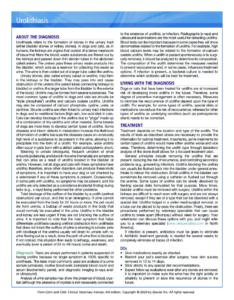
Pine Animal Hospital & Integrative Wellness Center is committed to educating pet owners about urolithiasis and other health conditions. We provide various resources, including downloadable documents, informative articles, and access to veterinary professionals who can answer questions and provide guidance. These resources aim to empower pet owners with the knowledge needed to make informed decisions regarding their pets' health.
In addition to online resources, our clinic offers educational workshops and consultations to discuss common health issues, including urolithiasis. Engaging with our community through these initiatives ensures that pet owners feel supported and informed, fostering a proactive approach to pet wellness at Pine Animal Hospital & Integrative Wellness Center.