Understanding Urolitiasis: Symptoms, Treatment, and Care for Your Pet

900 Pine Ave, Long Beach, CA 90813
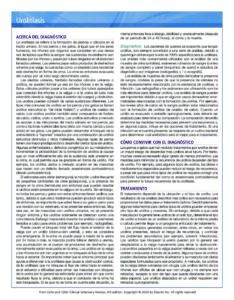
Urolithiasis, commonly known as urinary stones, is a condition that can affect various pets, leading to discomfort and serious health issues. It is crucial for pet owners to recognize the signs and symptoms of urolithiasis, which may include frequent urination, blood in urine, and straining to urinate. Early detection and treatment are essential to prevent complications and ensure the well-being of your pet.
The condition occurs when minerals in the urine crystallize and form stones, which can block the urinary tract. Different types of stones may form based on the pet's diet, genetics, and overall health. For instance, struvite stones are often associated with urinary tract infections, while calcium oxalate stones can develop in pets with certain dietary imbalances. Understanding these factors is vital for effective management and treatment at Pine Animal Hospital & Integrative Wellness Center.
Recognizing the symptoms of urolithiasis in pets is the first step towards effective diagnosis and treatment. Common symptoms include painful urination, lethargy, vomiting, and loss of appetite. Pet owners should be vigilant and consult a veterinarian if they notice these signs, as they may indicate the presence of urinary stones that require immediate attention.
Diagnosis typically involves a thorough physical examination, urinalysis, and imaging techniques such as X-rays or ultrasound. These diagnostic tools help veterinarians at Pine Animal Hospital & Integrative Wellness Center identify the type and location of the stones, guiding the appropriate treatment plan tailored to the pet's specific needs.
Treatment for urolithiasis varies depending on the size and type of stones present in the pet's urinary tract. In some cases, dietary changes and increased water intake may help dissolve certain types of stones, while more severe cases may require surgical intervention to remove the stones. It's essential for pet owners to work closely with their veterinarian to determine the best course of action.
At Pine Animal Hospital & Integrative Wellness Center, we offer comprehensive treatment options, including medications to manage pain and inflammation. Additionally, our team provides ongoing support and education to pet owners, ensuring they understand the importance of preventive care to avoid recurrence of urolithiasis in their pets.
Preventing urolithiasis in pets involves a combination of proper hydration, balanced nutrition, and regular veterinary check-ups. Ensuring that your pet has access to fresh water at all times can help dilute their urine and reduce the risk of stone formation. Additionally, certain diets are formulated to promote urinary health and minimize the likelihood of urolithiasis.
Veterinarians at Pine Animal Hospital & Integrative Wellness Center can provide tailored dietary recommendations based on your pet's specific needs and health status. Regular wellness visits allow for early detection of potential issues and enable pet owners to take proactive measures in maintaining their pets' urinary health.