Expert Pet Dental Care in Long Beach – Healthy Smiles Await!
Professional Pet Dental Care in Long Beach, CA: Comprehensive Services and Expert Veterinary Dentistry
Professional pet dental care is the specialized practice of preventing, diagnosing, and treating oral disease in dogs and cats to preserve function, comfort, and overall health. Recent studies indicate that untreated oral disease contributes to systemic inflammation and can shorten a pet’s quality of life, so timely dental assessment and intervention improve both longevity and daily well-being. This article explains how professional veterinary dentistry works, why early detection matters, and which symptoms owners should never ignore. You will learn to recognize common signs of periodontal disease, understand the clinical steps behind a professional pet teeth cleaning, compare dental X-rays and surgical options, and adopt at-home prevention strategies tailored to life stage. The guide also covers typical cost drivers and available financing options in Long Beach, and it shows how to schedule and prepare for a dental appointment at a local provider. Throughout, target terms like animal dentistry Long Beach, vet teeth cleaning, and pet periodontal treatment Long Beach are used to help you find the right care pathway for your dog or cat.
Why Choose Pine Animal Hospital for Expert Pet Dental Care in Long Beach?
Choosing a veterinary practice for dental care means balancing clinical expertise, safety protocols, and a compassionate approach that fits your pet’s needs. Pine Animal Hospital emphasizes a personalized, “no one-size-fits-all” philosophy that tailors dental plans to each patient’s medical history and behavior, which improves outcomes and owner confidence. Advanced monitoring and anesthesia protocols reduce procedural risk, while clear communication about diagnostics and recovery helps owners make informed decisions. Recent research underscores that practices combining thorough diagnostics with individualized care plans achieve better periodontal control and fewer complications than generic approaches.
Pine Animal Hospital’s state-of-the-art facility and skilled staff support safe, evidence-based veterinary dentistry in Long Beach, helping owners navigate options from preventive cleanings to complex oral surgery. The clinic’s transparent approach and availability of financing options reduce the barrier to care for many families, and that practical support encourages timely treatment rather than delay. Choosing a clinic that pairs technical capability with attentive client education makes it easier to keep your pet’s mouth healthy long-term.
Who Are the Skilled Veterinarians Providing Dental Services?
Pine Animal Hospital’s dental team includes veterinarians who provide routine and advanced oral care, bringing focused clinical attention to dental disease management. Dr. Steve Manyak is listed among the clinicians providing dental services and works as part of the hospital’s team to diagnose and treat periodontal disease in companion animals. Dr. Alyssa Tamayo contributes to comprehensive dental exams and treatment planning, helping owners understand options like scaling, extractions, and postoperative care. Dr. Fabiola Cardona also supports dental procedures and client education, ensuring continuity from diagnosis through recovery.
Each clinician’s role reinforces team-based care where diagnostic imaging, anesthesia monitoring, and surgical technique combine to reduce risk and improve outcomes. Their collective experience helps ensure that treatment plans are matched to each animal’s health status and behavioral needs, which lowers complication rates and shortens recovery times.
What Advanced Dental Technology and Facilities Do We Offer?
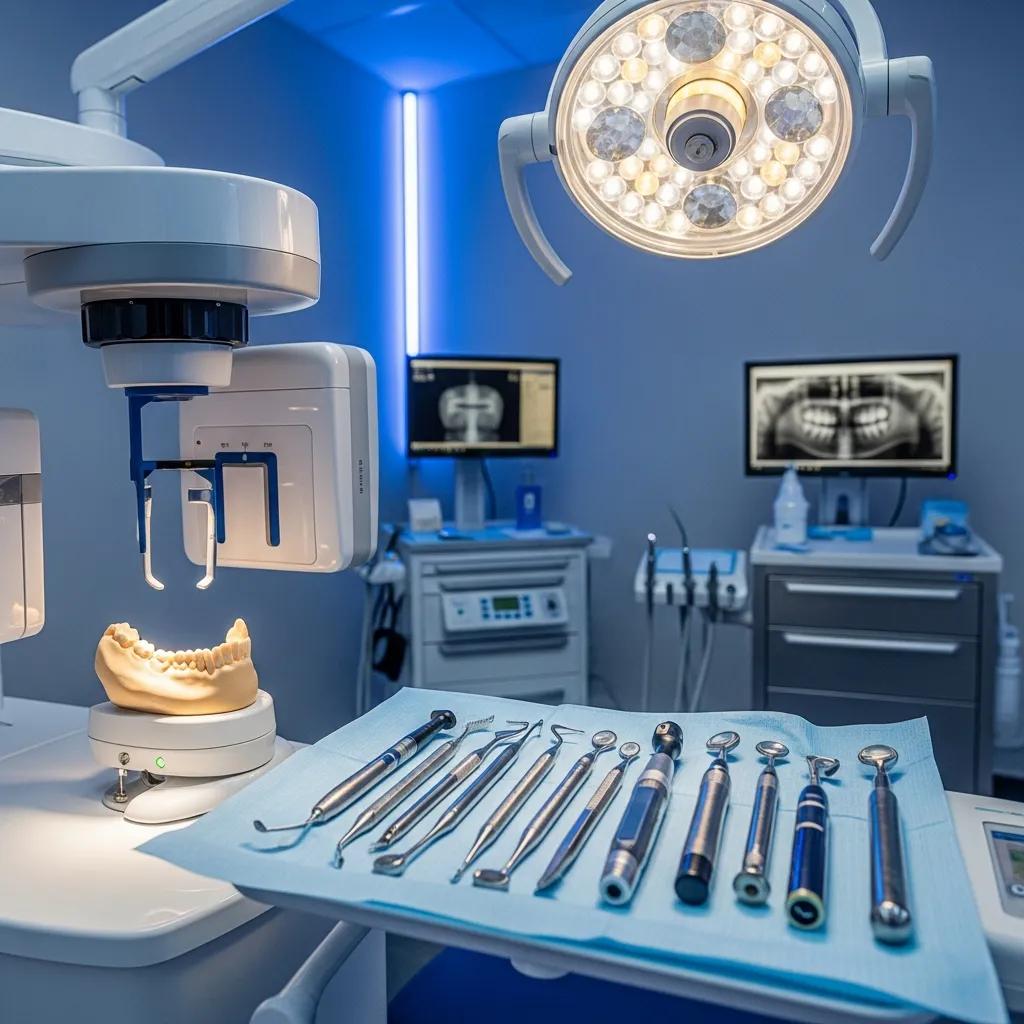
Modern veterinary dentistry relies on diagnostic and monitoring tools that improve both accuracy and safety during dental procedures. Dental radiography provides detailed images of tooth roots and jaw structure, enabling detection of hidden infections, root fractures, and periodontal bone loss that are invisible on visual exam alone. Advanced anesthesia monitoring captures oxygenation, heart rate, and blood pressure continuously during procedures, reducing perioperative risk and enabling safer recovery for senior or medically complex pets.
Other facility elements that enhance outcomes include calibrated dental scaling and polishing equipment for thorough plaque and tartar removal, and protocols for pain management and post-op care that minimize discomfort and speed healing. When these technologies and processes are used together, they form a predictable workflow from diagnosis to treatment and follow-up, which improves long-term oral health and reduces the likelihood of repeat procedures.
What Are the Common Signs of Dental Disease in Pets?
Dental disease in pets often develops gradually and may present with subtle or rapidly progressive signs; recognizing early indicators allows for prompt veterinary assessment and treatment. Periodontal disease begins with plaque accumulation and progresses to tartar, gingivitis, and eventually bone loss if untreated; this cascade increases the risk of tooth loss and systemic inflammation. Owners who monitor for behavioral and physical cues can initiate veterinary care sooner, which typically requires less invasive treatment and reduces pain.
Below are the top signs of dental disease to watch for in dogs and cats, with concise definitions and what each signal commonly indicates.
- Persistent Bad Breath: Foul odor often signals bacterial overgrowth and plaque, not just dietary causes.
- Red or Swollen Gums: Gingival inflammation indicates gingivitis, the reversible early stage of periodontal disease.
- Visible Tartar Buildup: Yellow-brown deposits on teeth show mineralized plaque that promotes further gum disease.
- Difficulty Eating or Dropping Food: Changes in chewing reflect oral pain, loose teeth, or broken crowns.
- Pawing at the Mouth or Face Rubbing: Behavioral signs of local discomfort or tooth pain.
- Excessive Drooling or Drooling with Blood: May indicate advanced disease, ulceration, or oral lesions requiring urgent care.
Detecting these signs early increases the chance that a veterinarian can treat disease with a cleaning and limited extractions rather than major surgery. Regular checks and prompt diagnostics are the bridge from recognizing a symptom to restoring oral health.
How to Recognize Bad Breath, Red Gums, and Tartar Buildup?
Bad breath in pets can result from benign dietary residues, but ongoing fetid odor usually reflects bacterial colonization and decay; distinguishing periodic breath changes from persistent halitosis is essential.
Red, swollen gums that bleed when touched are clinical signs of gingivitis and should prompt a professional exam; chronic gum inflammation progresses into periodontal pockets and bone loss without intervention.
Tartar appears as a rough, discolored layer along the gumline and becomes a nidus for bacteria; early-stage tartar removal and improved home care can often reverse gingivitis and halt disease progression.
When owners notice any of these visual or olfactory changes, pairing a physical exam with dental radiographs helps determine whether disease is limited to the crown surface or involves deeper structures that require extraction or surgical repair. Observing these changes regularly creates a reliable pattern to guide discussion with the veterinarian about next steps.
When Should You Seek Veterinary Attention for Your Pet’s Oral Health?
Certain oral signs require prompt veterinary attention because they indicate advanced disease or complications that can rapidly worsen without treatment. Immediate veterinary contact is appropriate for facial swelling, obvious oral bleeding, sudden inability to eat, or exposed bone and loose teeth, as these symptoms may reflect abscesses, fractures, or severe periodontal disease.
Signs that warrant scheduling a near-term appointment include persistent halitosis, gradual weight loss due to eating difficulty, and visible tartar accumulation; these are often treatable with professional cleaning and targeted at-home care.
Prioritizing urgency helps owners allocate the right response: call today for acute red flags, schedule within days for progressive signs, and book routine dental evaluations for preventive oversight. Prompt triage reduces the chance of systemic effects and often simplifies the required dental procedure.
Which Comprehensive Pet Dental Services Are Available in Long Beach?
Veterinary dental services in Long Beach span preventive exams to complex oral surgery, forming a diagnostic and treatment continuum to address everything from early plaque control to advanced periodontal therapy. Routine dental care begins with a comprehensive oral exam and may include professional scaling, polishing, and periodontal charting to establish baseline status. Diagnostic dental radiography identifies hidden pathologies; when disease is advanced, tooth extraction or oral surgery may be recommended to resolve pain and infection.
Below is a concise comparison of common dental services, what each includes, and typical recovery expectations to help owners understand the differences and set realistic expectations.
| Service | What it includes | Typical outcomes & recovery time |
|---|---|---|
| Professional teeth cleaning | Pre-op exam, anesthesia, scaling, polishing, charting | Minimal downtime; normal activity same day to 48 hours |
| Dental radiography (X-rays) | Intraoral/extraoral images under anesthesia as needed | Detection of root disease; informs extraction vs. conservation |
| Tooth extraction / oral surgery | Local/regional blocks, extraction, surgical closure, pain control | 3–10 days of soft-food recovery; follow-up exams needed |
This table clarifies procedure intent and typical recovery, allowing owners to discuss tailored plans with their veterinarian. Knowing expected timelines and outcomes simplifies decision-making when treatment is recommended.
What Does a Professional Pet Teeth Cleaning Include?
A professional pet teeth cleaning is a multi-step procedure designed to remove plaque and tartar, assess periodontal status, and prevent future disease development. The process begins with a pre-anesthetic physical assessment to ensure the pet is safe for anesthesia, followed by induction and continuous monitoring during the procedure. Once safely anesthetized, the team performs ultrasonic and hand scaling above and below the gumline, polishes tooth surfaces to slow plaque reaccumulation, and completes periodontal probing and charting; dental radiographs are often taken to inspect roots and bone. After treatment, a tailored pain-management and home-care plan supports recovery and long-term oral hygiene.
This structured approach—exam, anesthesia, scaling, radiography, and recovery—reduces hidden infections and addresses pain sources that would otherwise persist, improving both comfort and function for the pet.
How Are Dental X-rays and Oral Surgery Performed?
Dental radiography is performed under sedation or general anesthesia to obtain high-quality intraoral images that reveal root infections, bone loss, and lesions invisible on visual exam; these images guide the treatment plan. Oral surgery follows radiographic assessment and includes atraumatic tooth extraction techniques, bone smoothing, and appropriate suture closure when needed, along with multimodal pain control to minimize postoperative discomfort. Safety is maintained through intraoperative monitoring and adherence to anesthesia protocols, while postoperative instructions focus on soft diet, oral rinses if indicated, and follow-up checks to confirm healing.
When radiographs show pathology that cannot be treated conservatively, prompt surgical intervention prevents systemic spread and relieves chronic pain, making radiography a pivotal step in comprehensive dental care.
How Can You Prevent Dental Problems with At-Home Pet Dental Care?
Preventative at-home care is the cornerstone of long-term oral health and works best when combined with regular professional evaluations and cleanings. Brushing remains the most effective daily method to disrupt plaque formation and reduce gingivitis; introducing brushing early and using pet-formulated toothpaste establishes a routine that significantly lowers disease risk. Complementary measures such as dental chews, enzymatic rinses, and diet adjustments can reduce plaque accumulation between brushings, though their efficacy varies by product and pet compliance. Preventive strategies also differ by life stage, with puppies and kittens needing acclimation and seniors requiring more frequent monitoring due to higher periodontal prevalence.
Below is a practical comparison of common preventative methods, how to apply them, and recommended frequency to help owners choose a realistic program for their pet.
| Preventative Method | How to do it | Benefit / Expected frequency |
|---|---|---|
| Tooth brushing | Use pet toothpaste and a soft brush; start slow and build to daily | Best plaque control; aim for daily or at least 3–4× weekly |
| Dental chews & toys | Provide vet-recommended chews that promote mechanical cleaning | Reduces tartar when used daily with supervision |
| Prescription dental diets | Feed formulated kibble that reduces plaque by mechanical action | Daily use as part of long-term prevention |
| Professional cleanings | Regular vet dental exams and scale/polish under anesthesia | Frequency individualized; often annual or as recommended |
Comparing these methods shows that tooth brushing plus periodic professional care yields the most consistent prevention; integrating chews and diet supports maintenance between cleanings.
What Are Effective Tips for Brushing Your Dog’s and Cat’s Teeth?
Successful tooth brushing combines the right tools, a gradual training approach, and consistency to make the habit workable for both owner and pet. Start by introducing the pet to the taste of pet-safe toothpaste and reward calm behavior, then progress to using a finger brush or small toothbrush with gentle circular motions, focusing along the gumline where plaque accumulates. Short, frequent sessions build tolerance: aim for daily brushing, but even several times per week substantially reduces plaque compared with no brushing. Using positive reinforcement and patience helps most animals accept brushing, and consulting your veterinarian for a demonstration increases owner confidence.
By building this routine progressively, owners create a sustainable at-home practice that complements professional care and reduces the frequency or invasiveness of future dental procedures.
How Does Puppy, Kitten, and Senior Pet Dental Care Differ?
Dental care needs change across life stages because of differences in tooth eruption, behavior, and disease susceptibility. Puppies and kittens require gentle introduction to oral handling and monitoring for retained baby teeth and abnormalities during teething, with preventive education aimed at establishing lifelong brushing habits. Adult pets generally benefit from routine professional cleanings and consistent at-home maintenance to prevent plaque progression. Senior animals have higher prevalence of periodontal disease and may need more frequent dental assessments, modified anesthesia plans, and tailored pain management due to comorbidities.
Adjusting preventive frequency and technique by life stage ensures interventions are age-appropriate and reduces the likelihood of advanced disease, helping maintain comfort and nutrition across a pet’s lifespan.
What Are the Costs and Financing Options for Pet Dental Care in Long Beach?
Costs for pet dental care vary widely depending on the procedure’s complexity, the animal’s size, and the need for extractions or surgery; understanding cost drivers helps owners plan financially and ask informed questions. Simple prophylactic cleanings that require minimal or no extractions typically fall in a moderate range, while cases requiring multiple extractions or oral surgery increase resource use and cost. Factors that affect price include pre-op diagnostics (blood work, radiographs), anesthesia time, surgical complexity, and postoperative medications. Recent local market trends show owners increasingly value clinics that combine transparency with financing options to manage unexpected expenses.
Pine Animal Hospital confirms availability of financing options to support families facing larger dental bills; discussing an individualized estimate during the consult helps owners weigh treatment timing and payment choices. Asking about detailed estimates and possible payment plans during an initial assessment reduces surprises and supports timely care.
| Procedure | Typical cost range | Notes on financing / what affects cost |
|---|---|---|
| Professional cleaning (no extractions) | $300–$800 | Cost varies with size, anesthesia, and diagnostics |
| Extractions (single tooth) | $200–$800 per tooth | Complexity and root anatomy increase cost |
| Oral surgery / complex cases | $800–$3,000+ | Involves longer anesthesia and surgical time; financing often useful |
This cost overview gives owners a realistic expectation and highlights why clinics offering financing and transparent estimates can improve access to necessary dental care.
How Much Does Professional Pet Dental Cleaning Typically Cost?
Professional cleaning costs depend on factors such as the pet’s size, required diagnostics, and whether extractions are necessary; small breeds often have different needs than large breeds due to tooth crowding and periodontal susceptibility. A basic cleaning that includes anesthesia, scaling, polishing, and a brief exam typically falls within a conservative range, while added services such as comprehensive dental radiographs or extractions increase the final price. Owners should request written estimates that break down anesthesia, imaging, and surgical fees to understand the drivers of cost and to compare options responsibly.
Because each patient presents a unique combination of needs, contacting a local practice for a personalized estimate during a consult is the best way to plan for expense and avoid delaying care due to uncertainty.
What Financing Plans Does Pine Animal Hospital Offer for Dental Services?
Pine Animal Hospital provides financing options to help pet owners manage larger dental expenses, reducing barriers to timely treatment and postoperative care. While specific plan details and providers are discussed directly with the clinic’s team, the availability of payment assistance allows owners to consider recommended treatments without postponing necessary procedures. Asking the hospital about financing, estimate breakdowns, and preauthorization steps during the appointment scheduling process ensures you understand monthly obligations and any eligibility requirements.
Discussing financing early in the consult allows the clinical team to align the treatment plan with your financial preferences and ensures there are no surprises when care is recommended.
How to Schedule Your Pet’s Dental Appointment at Pine Animal Hospital?
Scheduling a dental appointment should be straightforward and begins with preparing essential information and understanding pre-appointment requirements. When planning an appointment, collect your pet’s medical history, current medications, and recent behavioral or eating changes to help the veterinarian triage urgency and plan diagnostics. Pine Animal Hospital accepts appointments for dental exams and procedures at its Long Beach location, and informing the team about medical conditions or prior anesthetic reactions before your visit helps streamline care. Preparing these details in advance reduces administrative delays and allows clinicians to focus on clinical assessment.
- Gather pet medical information: Compile vaccination status, medications, and recent health changes for the intake form.
- Describe oral signs and behavior: Note onset, eating changes, drooling, or facial swelling to prioritize scheduling.
- Schedule the appointment: Request a dental exam or surgery consultation and ask about pre-op testing and fasting rules.
- Confirm anesthesia assessment: Ensure the clinic will perform pre-anesthetic screening and provide monitoring during the procedure.
What Is the Appointment Process for Veterinary Dentistry Services?
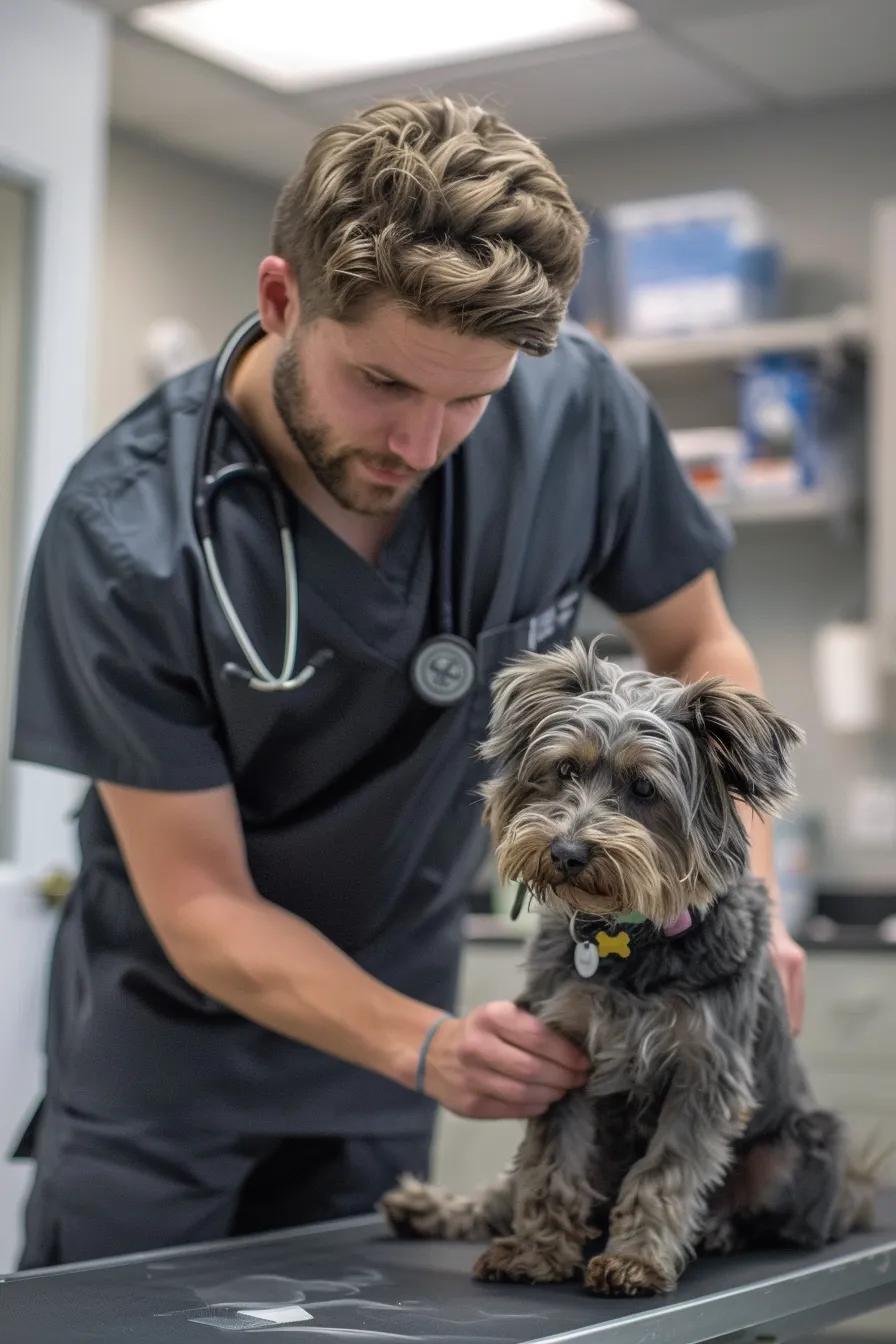
The appointment flow for veterinary dentistry typically follows a sequence designed to maximize safety and diagnostic clarity and minimize stress for the patient. Initial booking is followed by a pre-visit phone or intake screening to capture medical history and current symptoms; this screening helps clinicians determine whether blood work or additional diagnostics are needed before anesthesia. On the day of the procedure, the pet receives a focused physical exam, pre-anesthetic testing as indicated, anesthesia with continuous monitoring, the dental procedure (cleaning, radiographs, extractions), and supervised recovery with discharge instructions. Follow-up calls or rechecks confirm healing and reinforce home-care strategies.
Understanding each step reduces owner anxiety and creates clear expectations for timelines and postoperative needs.
How to Prepare Your Pet for a Dental Exam and Procedure?
Preparing your pet ahead of a dental appointment reduces anesthetic risk and improves procedural efficiency, starting with following fasting instructions and medication guidance provided by the clinic. Typically, pets are fasted for 8–12 hours before anesthesia to reduce aspiration risk, while water access rules and medication adjustments depend on veterinary instructions; confirm exact guidelines when you schedule. Bringing comfort items, a recent medical history, and notes on behavior helps the team provide individualized care, and arranging post-op transport and supervision ensures the pet has a calm environment for recovery.
Following pre-appointment guidance closely and communicating any health changes on the day of the procedure supports a safer anesthetic experience and a smoother recovery for your pet.
900 Pine Ave, Long Beach, CA 90813
This article has provided practical guidance on recognizing dental disease, understanding diagnostic and treatment options, implementing at-home prevention, estimating costs, and scheduling care with a local Long Beach provider. Use the steps and comparisons above to prepare for a dental visit and discuss individualized options with your veterinarian.