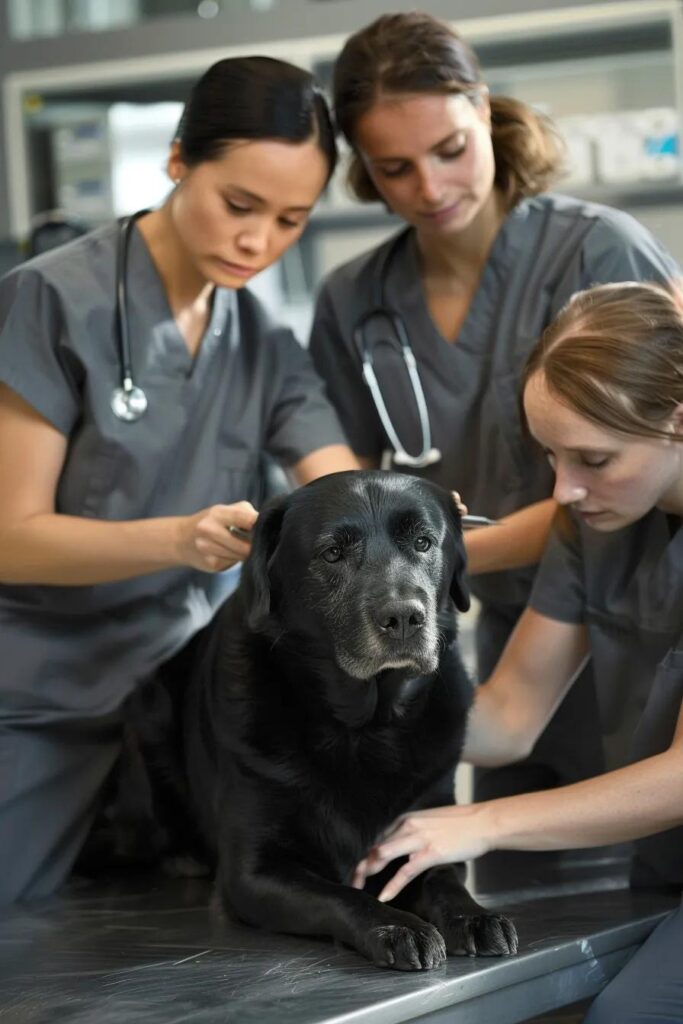
Expert Veterinary Surgical Services in Long Beach, CA: Comprehensive Care for Your Pet's Health
By Dr. Steve Manyak, DVM
Pets with surgical needs require precise medical reasoning, skilled hands, and a care pathway that minimizes pain while maximizing recovery. This article explains advanced veterinary surgical procedures, the role of minimally invasive techniques, the qualifications of surgical teams, practical pre-op and post-op guidance, transparent cost management, and how to choose the right surgical provider in Long Beach. Readers will learn which orthopedic and soft-tissue operations address common conditions, how laparoscopy and endoscopy speed recovery, what to expect on surgery day and during rehabilitation, and financing options that reduce unexpected financial burden. Practical checklists, comparative EAV tables, and action-oriented lists are included to help pet owners evaluate options and prepare for surgical care. Throughout, the primary focus is on educating owners about veterinary surgery best practices while integrating brief, factual information about Pine Animal Hospital’s surgical capabilities where it supports decision-making and scheduling a consult.
What Advanced Surgical Procedures Does Pine Animal Hospital Offer in Long Beach?
Advanced veterinary surgical procedures encompass specialized orthopedic repairs, soft-tissue excisions, emergency interventions, dental surgery, spay/neuter operations, and minimally invasive modalities that together address trauma, chronic disease, and acute illness. These procedures work by restoring anatomical integrity, removing pathological tissue, or correcting functional abnormalities, leading to pain reduction and improved mobility or organ function. Owners benefit because precise surgical planning and modern techniques shorten hospitalization and reduce complication rates when compared with outdated methods.
The following table summarizes common procedures, typical indications, and expected recovery timelines to help owners compare options quickly before discussing case-specific details with a surgical team.
This quick comparison shows typical goals and recovery expectations to help prioritize questions for your surgeon.
| Procedure Category | Typical Indication | Typical Outcome / Recovery Time |
|---|---|---|
| Orthopedic surgery (e.g., TPLO, fracture repair) | ACL/CCL tears, limb fractures, joint instability | Restored limb function; controlled activity for 6–12 weeks |
| Soft tissue surgery (e.g., tumor removal, GI surgery) | Masses, intestinal obstruction, abdominal disease | Disease control or resolution; recovery 2–6 weeks depending on complexity |
| Emergency surgery (foreign body removal, trauma care) | Acute obstruction, severe wounds, internal bleeding | Stabilization then definitive repair; variable recovery from days to months |
This table helps owners set expectations and form specific questions for an initial consult. After understanding these categories, owners often want detail on orthopedics and soft-tissue options, which are described below with typical indications and outcomes.
Which Orthopedic Surgeries Are Available for Pets in Long Beach?
Orthopedic pet surgery treats structural problems that impair mobility, such as cruciate ligament tears, fractures, and patellar luxation, using techniques that restore alignment and joint stability. Procedures like TPLO (tibial plateau leveling osteotomy) correct cruciate-deficient stifles by changing joint mechanics, while fracture fixation uses plates, pins, or external fixation to realign bone segments and support healing. Expected outcomes focus on pain reduction and return to function; most pets show progressive improvement over 6–12 weeks with controlled activity and rehabilitation. A representative case involves a medium-sized dog with an ACL tear returning to leash walks after structured rehabilitation, illustrating how surgical stabilization plus post-op care restores quality of life. Understanding typical indications and recovery timelines prepares owners to discuss surgical goals and realistic mobility milestones with their surgeon.
What Soft Tissue and Emergency Surgical Services Do We Provide?
Soft tissue surgery addresses problems in the abdomen, skin, and organs, including tumor excisions, intestinal surgery, and wound reconstruction, by removing diseased tissue and restoring normal organ function. Emergency surgical services focus on rapid stabilization—fluid resuscitation, pain control, and monitoring—followed by definitive procedures such as foreign body removal or hemorrhage control to prevent life-threatening deterioration. Typical workflows prioritize airway, breathing, and circulation before imaging and anesthetic planning, enabling safe operative intervention even in complex cases. Outcomes depend on the underlying condition and timing of intervention; early recognition and prompt surgery are linked to improved survival and shorter hospitalization. Clear pre-op communication and coordinated follow-up determine whether cases are managed entirely in-house or referred for specialized tertiary care.
How Does Minimally Invasive Pet Surgery Benefit Your Pet in Long Beach?
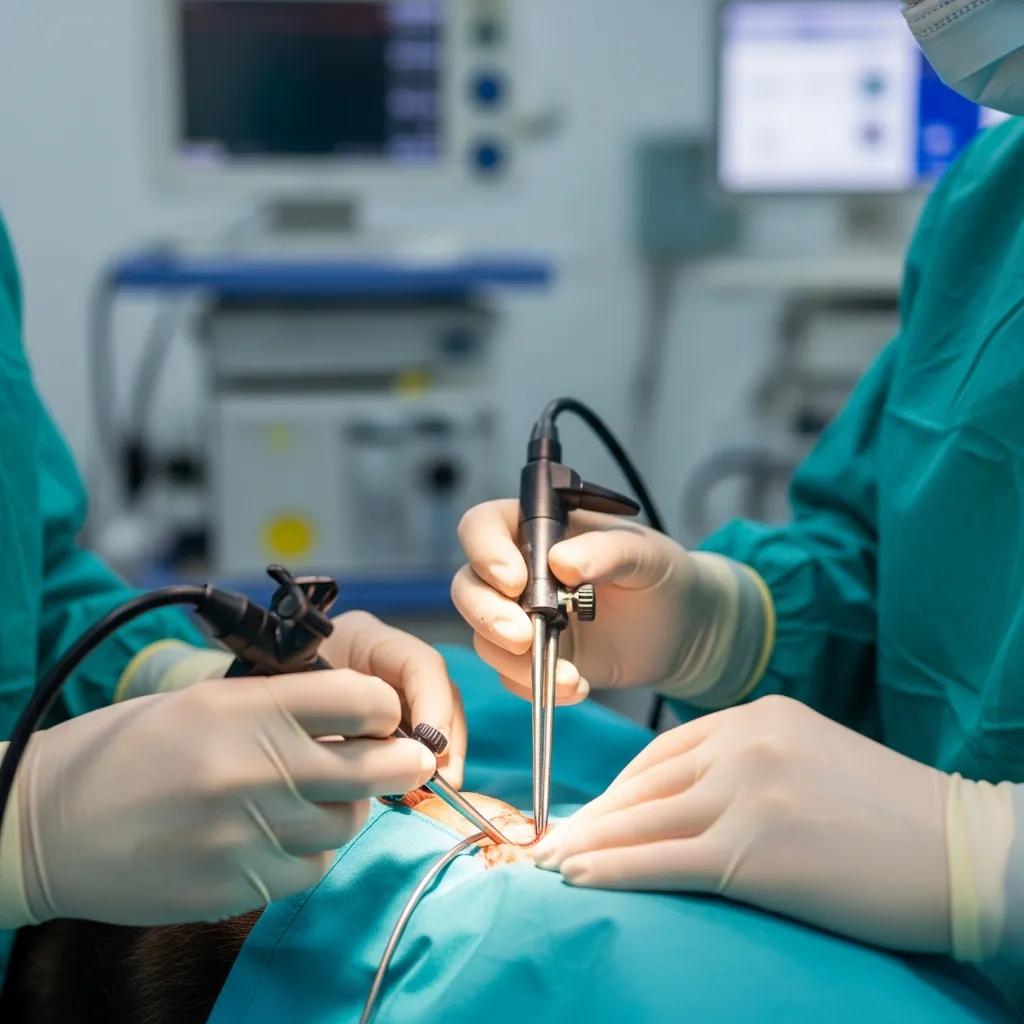
Minimally invasive pet surgery (MIS) uses small incisions, specialized instruments, and video guidance—such as laparoscopy and endoscopy—to diagnose and treat conditions with less tissue trauma, reduced pain, and quicker recovery. The mechanism involves avoiding large soft-tissue dissection, which lowers inflammatory response and shortens hospital stays while preserving function; this translates into faster return to activity and decreased analgesic needs. Clinical evidence and current research indicate that MIS can lower infection risk and improve wound healing compared with open procedures in appropriate cases, so assessing candidacy is crucial.
| Technique | Key Benefit | Evidence / Typical Timeline |
|---|---|---|
| Laparoscopy | Smaller incision, faster recovery | Reduced hospitalization; return to light activity in 3–7 days |
| Endoscopy | Diagnostic and therapeutic with minimal trauma | Immediate symptom relief in many GI/respiratory cases |
| Laser-assisted procedures | Precise tissue ablation, less bleeding | Faster healing and reduced post-op pain metrics |
Understanding these techniques helps owners decide when MIS is appropriate and when traditional open surgery remains the safest option. Facility capabilities and case selection are the next practical considerations for achieving MIS benefits in practice.
What Technologies Support Minimally Invasive Procedures at Pine Animal Hospital?
Minimally invasive procedures rely on equipment such as high-definition laparoscopes, flexible endoscopes, advanced anesthesia monitoring, and energy devices that enhance precision and safety during surgery. These technologies allow surgeons to visualize internal anatomy on a monitor, perform targeted interventions, and monitor physiologic parameters continuously, which reduces intraoperative risk and enables quicker detection of complications. Using modern visualization and monitoring systems also supports shorter operative times and more consistent outcomes when combined with skilled surgical technique. For owners considering MIS, asking about the specific instruments and monitoring protocols used provides insight into the facility’s ability to deliver the promised recovery advantages.
How Does Minimally Invasive Surgery Improve Recovery and Pain Management?
Minimally invasive surgery reduces operative trauma by limiting incision size and soft-tissue disruption, which lowers inflammatory mediators and consequently decreases post-operative pain levels and analgesic requirements. This mechanism supports earlier ambulation and quicker return to normal behavior, often shortening convalescence from weeks to days for certain procedures. Comparative outcomes show faster wound healing, reduced infection rates, and better cosmetic results for many MIS cases, though candidacy depends on diagnosis and patient stability. Rehabilitation protocols after MIS typically emphasize gentle mobility and monitoring rather than prolonged activity restriction, which accelerates functional recovery and improves owner satisfaction.
Who Are the Experienced Veterinary Surgeons at Pine Animal Hospital?
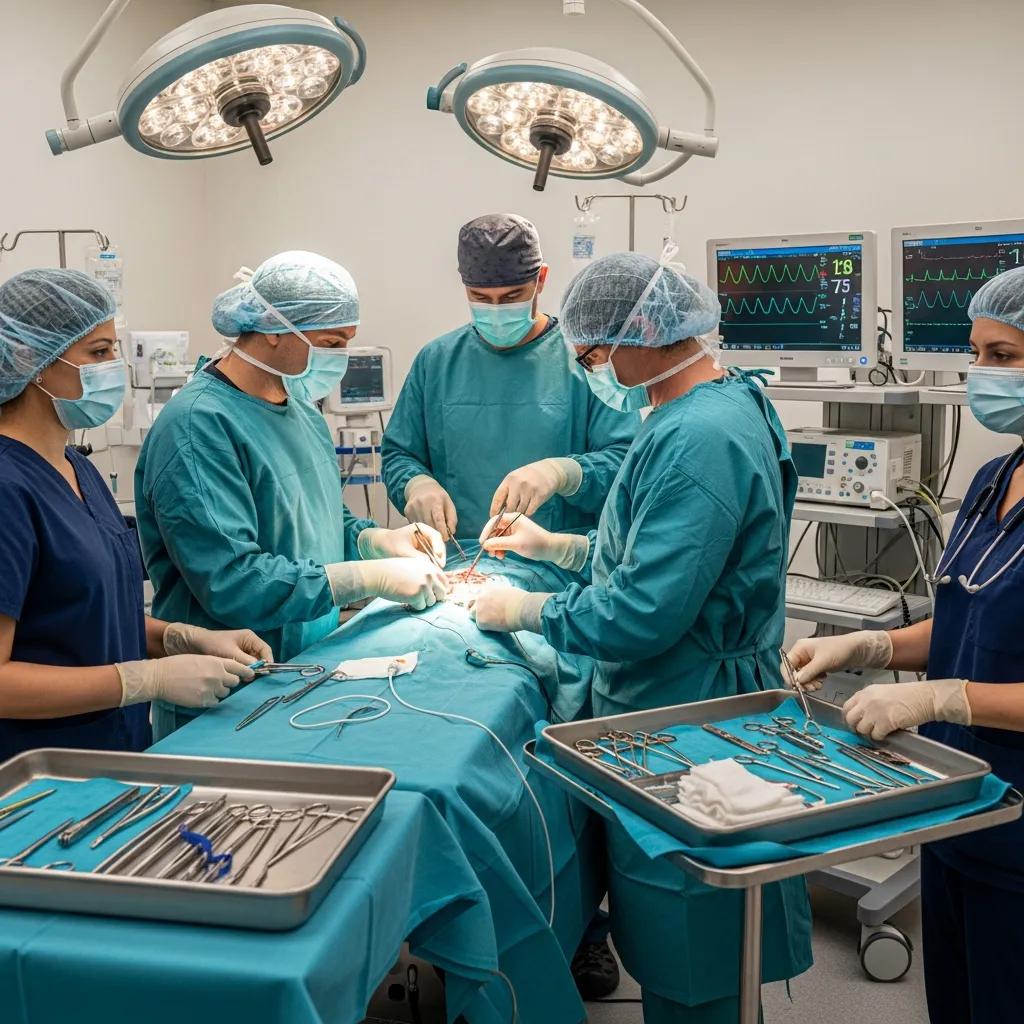
A qualified surgical team combines procedural skill, intraoperative decision-making, and compassionate communication to guide owners through complex choices; the team roles range from surgical lead to anesthetic monitoring and post-op rehabilitation coordination. At Pine Animal Hospital, named veterinarians associated with surgical care include Dr. Steve Manyak, Dr. Alyssa Tamayo, and Dr. Fabiola Cardona, who contribute to a surgical department equipped for advanced procedures and individualized case planning. The team approach ensures that each pet’s surgical plan accounts for medical history, diagnostic imaging, anesthetic risk, and owner goals, which improves outcomes and reduces unexpected complications. For owners, knowing the surgical team’s specialties and how they collaborate frames realistic expectations for the procedure and the recovery journey ahead.
What Are the Specialties of Dr. Steve Manyak, Dr. Alyssa Tamayo, and Dr. Fabiola Cardona?
Each named surgeon brings focused expertise to the practice: Dr. Steve Manyak, Dr. Alyssa Tamayo, and Dr. Fabiola Cardona are recognized within the hospital’s surgical department for performing a range of advanced procedures, from orthopedic repairs to soft-tissue and emergency surgeries. Their combined skills cover critical surgical domains—stabilization of traumatic injuries, tumor resections, and integrative planning for complex cases—which allows the team to match surgical techniques to individual patient needs. When discussing a case, owners should ask which surgeon will lead the procedure and how their specific experience aligns with the planned operation. Clear communication about surgeon roles and expected outcomes helps owners make informed decisions with confidence.
How Does Our Surgical Team Ensure Personalized and Transparent Care?
Personalized and transparent surgical care begins with a detailed pre-operative consultation that reviews diagnosis, alternative treatments, anesthetic plans, and realistic outcome expectations, followed by documented informed consent and a recovery plan tailored to the pet’s age and activity level. During hospitalization, the team provides structured updates and an individualized pain-management protocol that balances multimodal analgesia with early mobilization strategies. Post-operative follow-up includes wound checks, activity modification guidance, and coordination with rehabilitation professionals when needed to optimize long-term function. This structured, communicative approach reduces owner uncertainty and supports better clinical outcomes through shared decision-making and clear care milestones.
What Should Pet Owners Know About Preparing for and Recovering from Surgery?
Proper preparation and recovery protocols reduce surgical risk and speed healing by ensuring pets are physiologically optimized before anesthesia and receive consistent post-op care afterward. Pre-operative steps typically address fasting, medication adjustments, and arrival logistics to allow efficient pre-anesthetic assessment and laboratory screening when indicated; these steps minimize anesthesia complications and identify modifiable risks. Post-operative recovery focuses on pain control, wound management, activity restriction, and staged rehabilitation to restore function while preventing re-injury.
Use this checklist to ensure your pet arrives ready for safe anesthesia and a smoother recovery process.
- Pre-surgery fasting: Confirm fasting window with your surgical team to reduce aspiration risk.
- Medication review: List all medications and supplements so the vet can advise continuation or temporary cessation.
- Transport and containment: Bring a secure carrier and plan safe transport to the hospital on surgery day.
- Emergency contact: Provide current contact details and identify an alternate caregiver if needed.
- Post-op environment: Prepare a quiet, padded recovery area at home with easy access to water and a non-slip surface.
How Can You Prepare Your Pet for Surgery at Pine Animal Hospital?
Preparing a pet for surgery involves confirming fasting instructions, providing an accurate medication list, and arriving with any recent medical records or diagnostic images to inform anesthetic planning. On arrival, staff will perform a focused pre-anesthetic exam and, when indicated, run baseline bloodwork to assess organ function and anesthetic risk; this pre-op workup allows individualized anesthetic dosing and monitoring strategies. Owners should discuss pain-management options and expected recovery steps during the pre-op consult so they understand discharge instructions and follow-up requirements. Clear preparation reduces intraoperative surprises and enables the surgical team to proceed with optimal safety and efficiency.
What Are the Key Steps in Post-Operative Care and Rehabilitation?
Post-operative care emphasizes pain control, wound surveillance, controlled activity, and timed rechecks to monitor healing and functional recovery across distinct phases: immediate (0–72 hours), early (1–3 weeks), and longer-term rehabilitation (3–12+ weeks). Immediate care focuses on analgesia and preventing complications such as bleeding or anesthetic-related issues, while early recovery emphasizes incision care and gradual increase of controlled activity under veterinary guidance. Longer-term rehabilitation may include physical therapy, leash walks, or hydrotherapy referrals when indicated to restore muscle mass and joint range of motion safely. Owners should watch for red-flag signs—persistent lethargy, swelling, discharge, or worsening lameness—and contact the surgical team promptly if these occur.
How Are Veterinary Surgery Costs Managed and What Financing Options Are Available in Long Beach?
Transparent cost discussions reduce financial stress by providing owners with realistic ranges, common cost drivers, and financing options appropriate for veterinary surgical care. Typical variables that affect cost include procedure complexity, diagnostic testing, implant or device use, anesthesia duration, and hospitalization length; addressing these factors early helps create tailored estimates.
| Procedure Category | Typical Cost Range (approx.) | Financing Options / Notes |
|---|---|---|
| Routine soft tissue (e.g., mass removal) | $1,000–$3,000 | Case-by-case estimates; inquire about payment scheduling |
| Emergency abdominal surgery | $2,500–$7,500 | Higher range due to stabilization and intensive monitoring |
| Orthopedic procedures (e.g., TPLO, fracture repair) | $3,500–$8,000+ | Implant costs increase range; ask for itemized estimate |
This table is a guide only; final pricing varies by case. To obtain a tailored estimate, a surgical consultation with diagnostics is required.
What Is the Typical Cost Range for Pet Surgical Procedures at Pine Animal Hospital?
Cost ranges at the practice follow industry norms, varying by procedure complexity and required materials, with routine soft-tissue surgeries generally in lower ranges and orthopedic or emergency interventions in higher ranges due to implants and intensive monitoring requirements. Estimates are case-specific; owners should schedule a consultation that includes physical exam and diagnostic imaging to receive an itemized estimate that reflects their pet’s needs. Discussing cost drivers—such as implant choice, overnight intensive care, and rehabilitation services—helps owners prioritize care options and understand trade-offs. For many owners, transparent estimates and clear payment steps reduce hesitation and improve timely access to necessary surgery.
Which Financing Plans and Payment Options Help Pet Owners Afford Surgery?
Common financing solutions include major credit cards, in-clinic payment plans where available, and third-party pet financing options that spread cost over time; owners should ask the practice about specific programs they accept and any required application steps. When financing is needed, obtaining a tentative itemized estimate allows owners to compare payment plan terms and select the option that balances monthly payments with care needs. Pine Animal Hospital emphasizes transparent cost discussions and encourages scheduling a cost-estimate appointment to review options and determine the most practical approach for each family’s circumstances. Clear financial planning ensures that medical decisions are made promptly and with full understanding of obligations.
Why Choose Pine Animal Hospital for Your Pet’s Surgical Needs in Long Beach?
Choosing a surgical provider involves evaluating clinical expertise, facility capabilities, care philosophy, and transparent communication that together produce consistent, compassionate outcomes. Pine Animal Hospital combines an experienced surgical team with a surgical department noted for advanced equipment and a care model focused on personalized treatment plans and transparent cost discussions, offering local pet owners a centralized option for many operative needs. Positive client experiences frequently emphasize clear communication, thorough pre-op planning, and attentive post-op follow-up, all of which contribute to improved recovery trajectories. For owners seeking comprehensive surgical care in Long Beach, these elements collectively support confident decision-making and a clear path from diagnosis to rehabilitation.
Pine Animal Hospital’s combination of skilled veterinarians, high-tech surgical capabilities, and a patient-centered approach aims to reduce uncertainty and support predictable outcomes for surgical patients in the community.
How Do Our High-Tech Facilities and Equipment Enhance Surgical Outcomes?
High-quality surgical outcomes are supported by dedicated surgical suites, advanced monitoring equipment, visualization tools for minimally invasive work, and sterile workflows that reduce infection risk and improve precision. These facility elements enable surgeons to execute complex repairs with real-time physiologic monitoring, maintain core body temperature, and use visualization to limit tissue trauma, all of which reduce intraoperative complications. Evidence indicates that such coordinated systems—when paired with experienced clinicians—lead to shorter anesthesia times and faster recovery. Owners should ask about the specific technologies and monitoring protocols used for their pet’s procedure to understand how facility standards translate into better perioperative safety.
What Do Client Testimonials Reveal About Our Surgical Care Quality?
Client feedback often highlights clear communication, compassionate handling of pets, and successful outcomes as recurring themes that reflect the practice’s commitment to transparent care and individualized recovery plans. While individual experiences vary, recurring points include appreciation for detailed pre-op explanations, structured pain-management plans, and consistent post-op check-ins that guide rehabilitation. Reviewing anonymized case summaries and asking for sample recovery timelines helps prospective clients set expectations and validate how the practice translates surgical expertise into practical recovery strategies. This thematic feedback reinforces the importance of clinician-owner partnership in achieving optimal surgical results for pets.