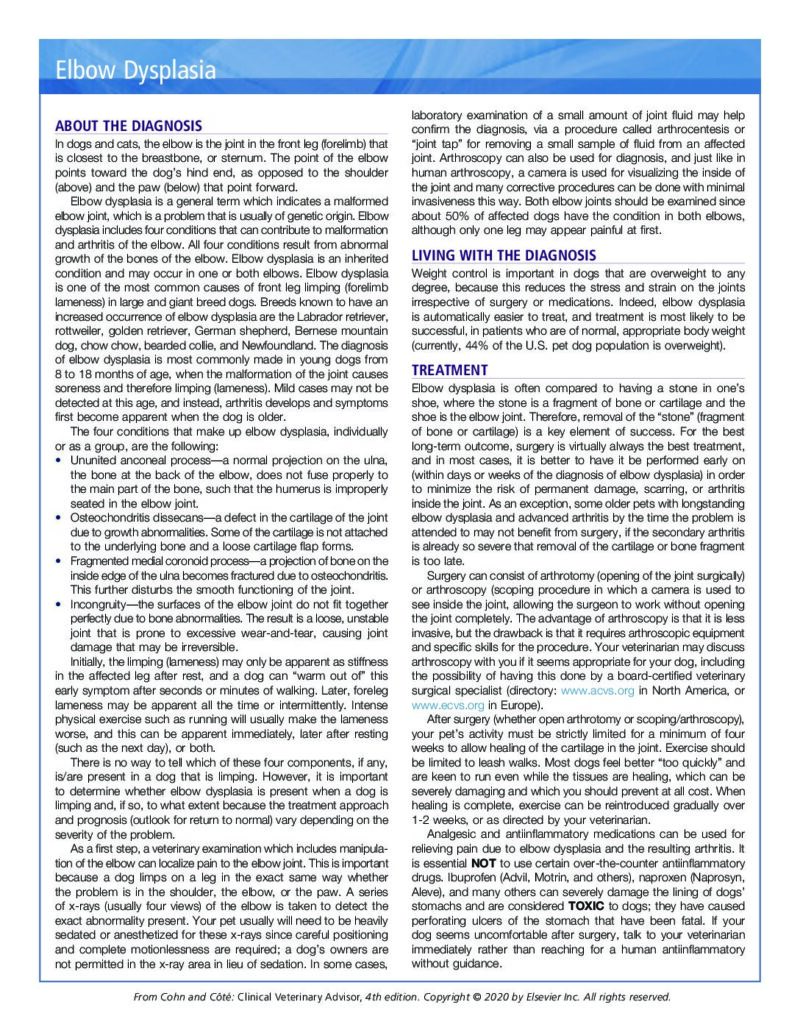
Elbow dysplasia is a common orthopedic condition in dogs that can lead to significant pain and mobility issues. This condition arises from developmental abnormalities in the elbow joint, often affecting larger breeds. Early diagnosis and management are crucial for maintaining a pet's quality of life, as it can lead to arthritis if left untreated.
Symptoms of elbow dysplasia include limping, reluctance to play, and difficulty in rising or climbing stairs. Treatment options may range from physical therapy to surgical interventions, depending on the severity of the condition. Pet owners are encouraged to consult with their veterinarian for personalized advice and treatment plans at Pine Animal Hospital & Integrative Wellness Center.
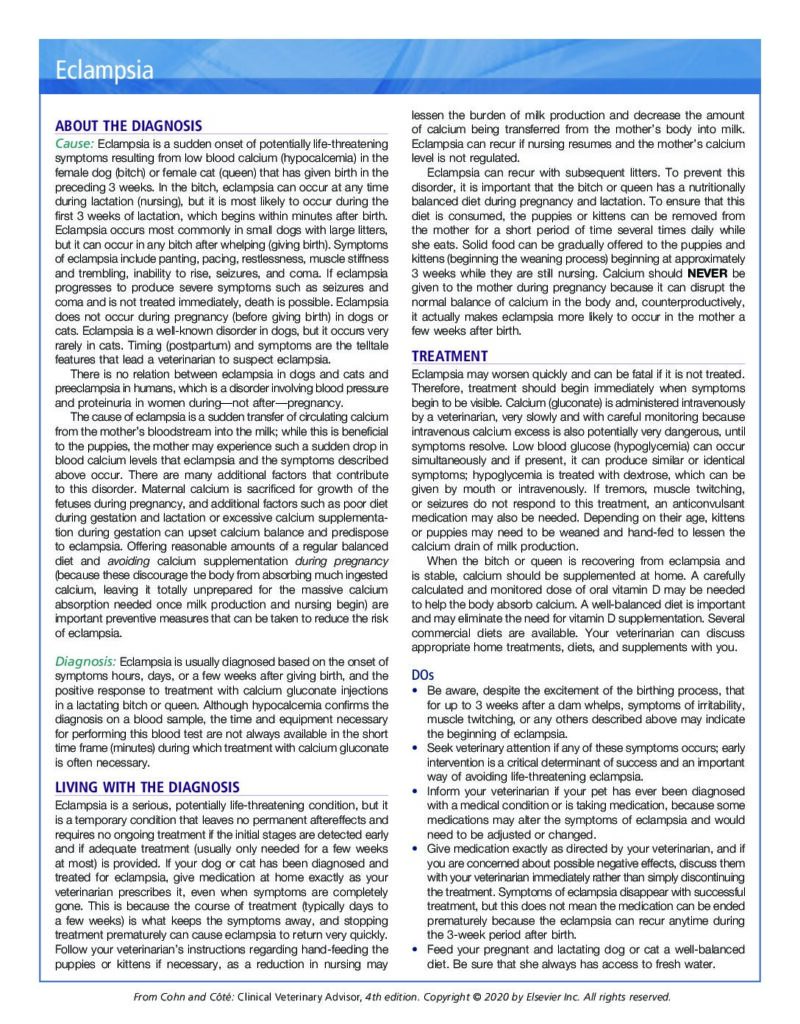
Recognizing Eclampsia in Dogs and Cats
Eclampsia, also known as milk fever, is a serious condition that can occur in nursing dogs and cats due to a sudden drop in calcium levels. This condition can manifest as muscle tremors, restlessness, and seizures, requiring immediate veterinary attention. Understanding the signs of eclampsia can help pet owners act quickly to ensure their pet's health and safety.
Preventative measures include ensuring that pregnant and nursing pets receive a balanced diet rich in calcium. Regular veterinary check-ups can help monitor calcium levels and prevent eclampsia. For more information on maintaining your pet's health, visit Pine Animal Hospital & Integrative Wellness Center.
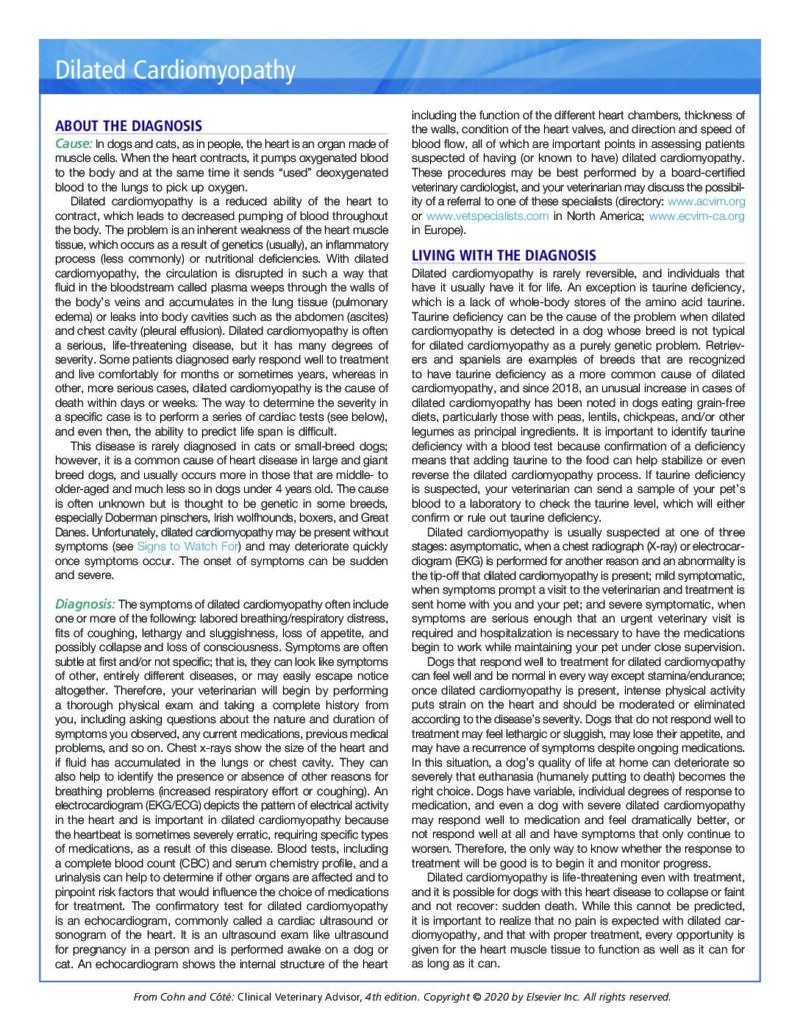
Managing Dilated Cardiomyopathy in Dogs
Dilated cardiomyopathy (DCM) is a serious heart condition primarily affecting larger dog breeds. This disease leads to a decrease in the heart's ability to pump blood effectively, resulting in symptoms such as lethargy, coughing, and difficulty breathing. Early detection through veterinary examinations can significantly improve the prognosis for affected pets.
Management of DCM often includes dietary changes, medications, and regular veterinary check-ups to monitor heart function. Pet owners should be aware of the risks and symptoms associated with this condition and seek veterinary advice promptly to ensure a proactive approach to their pet's health at Pine Animal Hospital & Integrative Wellness Center.
Diabetes Management in Cats
Diabetes mellitus is a growing concern among cats, characterized by high blood sugar levels due to insulin resistance or deficiency. Common symptoms include increased thirst, frequent urination, and unexplained weight loss. Understanding how to manage diabetes in cats is vital for prolonging their life and ensuring their well-being.
Effective management of feline diabetes often involves dietary adjustments, regular monitoring of blood glucose levels, and possibly insulin therapy. Pet owners are encouraged to work closely with their veterinarian to develop a tailored treatment plan that suits their cat's specific needs at Pine Animal Hospital & Integrative Wellness Center.
Understanding Elbow Dysplasia in Pets
Elbow dysplasia is a common orthopedic condition in dogs that can lead to significant pain and mobility issues. This condition arises from developmental abnormalities in the elbow joint, often affecting larger breeds. Early diagnosis and management are crucial for maintaining a pet's quality of life, as it can lead to arthritis if left untreated.
Symptoms of elbow dysplasia include limping, reluctance to play, and difficulty in rising or climbing stairs. Treatment options may range from physical therapy to surgical interventions, depending on the severity of the condition. Pet owners are encouraged to consult with their veterinarian for personalized advice and treatment plans at Pine Animal Hospital & Integrative Wellness Center.
Recognizing Eclampsia in Dogs and Cats
Eclampsia, also known as milk fever, is a serious condition that can occur in nursing dogs and cats due to a sudden drop in calcium levels. This condition can manifest as muscle tremors, restlessness, and seizures, requiring immediate veterinary attention. Understanding the signs of eclampsia can help pet owners act quickly to ensure their pet's health and safety.
Preventative measures include ensuring that pregnant and nursing pets receive a balanced diet rich in calcium. Regular veterinary check-ups can help monitor calcium levels and prevent eclampsia. For more information on maintaining your pet's health, visit Pine Animal Hospital & Integrative Wellness Center.
Managing Dilated Cardiomyopathy in Dogs
Dilated cardiomyopathy (DCM) is a serious heart condition primarily affecting larger dog breeds. This disease leads to a decrease in the heart's ability to pump blood effectively, resulting in symptoms such as lethargy, coughing, and difficulty breathing. Early detection through veterinary examinations can significantly improve the prognosis for affected pets.
Management of DCM often includes dietary changes, medications, and regular veterinary check-ups to monitor heart function. Pet owners should be aware of the risks and symptoms associated with this condition and seek veterinary advice promptly to ensure a proactive approach to their pet's health at Pine Animal Hospital & Integrative Wellness Center.
Diabetes Management in Cats
Diabetes mellitus is a growing concern among cats, characterized by high blood sugar levels due to insulin resistance or deficiency. Common symptoms include increased thirst, frequent urination, and unexplained weight loss. Understanding how to manage diabetes in cats is vital for prolonging their life and ensuring their well-being.
Effective management of feline diabetes often involves dietary adjustments, regular monitoring of blood glucose levels, and possibly insulin therapy. Pet owners are encouraged to work closely with their veterinarian to develop a tailored treatment plan that suits their cat's specific needs at Pine Animal Hospital & Integrative Wellness Center.