
Comprehensive Veterinary Services in Long Beach, CA: Expert Care for Your Pets
Finding reliable, full-spectrum veterinary care in Long Beach means understanding the range of services that keep dogs and cats healthy across their lives. This article explains what comprehensive veterinary services encompass, why they matter for pet longevity and quality of life, and how local owners can evaluate options for medical, dental, surgical, preventive, urgent, and alternative therapies. You will learn practical signs for urgent and emergency care, the types of diagnostic and surgical procedures commonly performed, and the preventive strategies that deliver measurable health benefits. The guide also outlines complementary approaches like acupuncture and chiropractic care and explains how these therapies integrate with conventional medicine. Finally, we describe the local care ecosystem and specific ways owners can access expert care in Long Beach, including how to choose a clinic and what to expect during visits.
What Comprehensive Veterinary Services Does Pine Animal Hospital Offer in Long Beach?
Comprehensive veterinary services cover the full continuum of care for companion animals, From preventive wellness exams to advanced diagnostics, dental care, surgical interventions, and adjunctive therapies that support recovery and chronic conditions. These services work by diagnosing disease early, treating acute and chronic problems with evidence-based medical and surgical protocols, and maintaining health through vaccination, parasite control, and nutrition counseling. Owners benefit from integrated plans that reduce long-term costs and improve outcomes for conditions such as dental disease, orthopedic injury, and chronic illness. Below is a clear list of core service categories and concise definitions to help owners identify the right type of care.
Pine Animal Hospital provides a state-of-the-art facility offering medical diagnostics and treatment, dental procedures, surgical interventions including orthopedic surgery, urgent and emergency stabilization, and alternative therapies such as acupuncture and chiropractic care. The clinic emphasizes personalized, transparent care and offers financing options to help manage costs for families in Long Beach. For owners seeking appointments or guidance, the hospital’s local team can assist with service selection and scheduling.
This quick comparison summarizes who benefits from each core service and why.
| Service | Who it’s for (Dog/Cat) | Typical purpose/benefit |
|---|---|---|
| Medical diagnostics & treatment | Dogs and cats | Identify and treat illness using labwork and imaging for accurate plans |
| Dental care (cleaning, x-rays, extractions) | Dogs and cats | Prevent periodontal disease and protect systemic health through oral care |
| Surgical interventions (soft tissue, orthopedic) | Dogs and cats | Resolve injuries, remove masses, and restore mobility through surgery |
| Urgent & emergency care | Dogs and cats | Stabilize acute illness or injury and provide rapid diagnostics and treatment |
| Alternative therapies (acupuncture, chiropractic) | Dogs and cats | Complement pain management and mobility for chronic or post-op cases |
Which Medical Treatments Are Available for Dogs and Cats?
Medical treatments for companion animals include diagnostic testing, acute illness management, chronic disease monitoring, and targeted therapies such as fluid therapy and medication protocols. Diagnostic tools commonly used are in-house bloodwork, diagnostic imaging like X-ray and ultrasound, and cytology or microscopic evaluation; these tools allow rapid identification of infections, organ dysfunction, or internal abnormalities. Treatment plans can include antibiotics, anti-inflammatories, pain control, dietary management, and long-term monitoring for conditions like diabetes or kidney disease. Early veterinary evaluation improves prognosis by permitting earlier, less invasive interventions and by tailoring follow-up care to the pet’s response.
Owners should recognize signs that warrant medical assessment such as persistent lethargy, appetite changes, vomiting, or abnormal urination, and schedule timely visits rather than delaying care. Prompt diagnostics reduce uncertainty and allow veterinarians to prescribe evidence-based treatments, which helps avoid complications and supports faster recovery. Understanding common treatments and diagnostic workflows prepares owners to participate in care decisions and improves adherence to follow-up recommendations.
What Dental Care Services Support Pet Oral Health?
Professional dental care for pets encompasses supervised oral exams, dental cleanings under anesthesia, intraoral radiographs, periodontal therapy, and extractions when necessary to remove diseased teeth and relieve pain. The mechanism of dental disease involves bacterial plaque progressing to periodontal inflammation and systemic effects, so thorough cleaning and targeted treatment restore oral function and reduce risks to the heart, liver, and kidneys. Safe anesthesia protocols and continuous monitoring during dental procedures minimize risk, and post-procedure pain control and home care instructions accelerate healing. Owners also receive guidance on at-home dental care such as brushing and diet adjustments to sustain oral health.
Scheduling regular dental assessments identifies early-stage periodontal disease that can be managed conservatively and prevents progression to tooth loss and systemic complications. Combining professional care with home preventive measures produces the best outcomes for oral and whole-body health, and recovery after dental procedures is typically rapid when appropriate pain control and follow-up are provided.
How Does Pine Animal Hospital Provide Emergency and Urgent Pet Care in Long Beach?
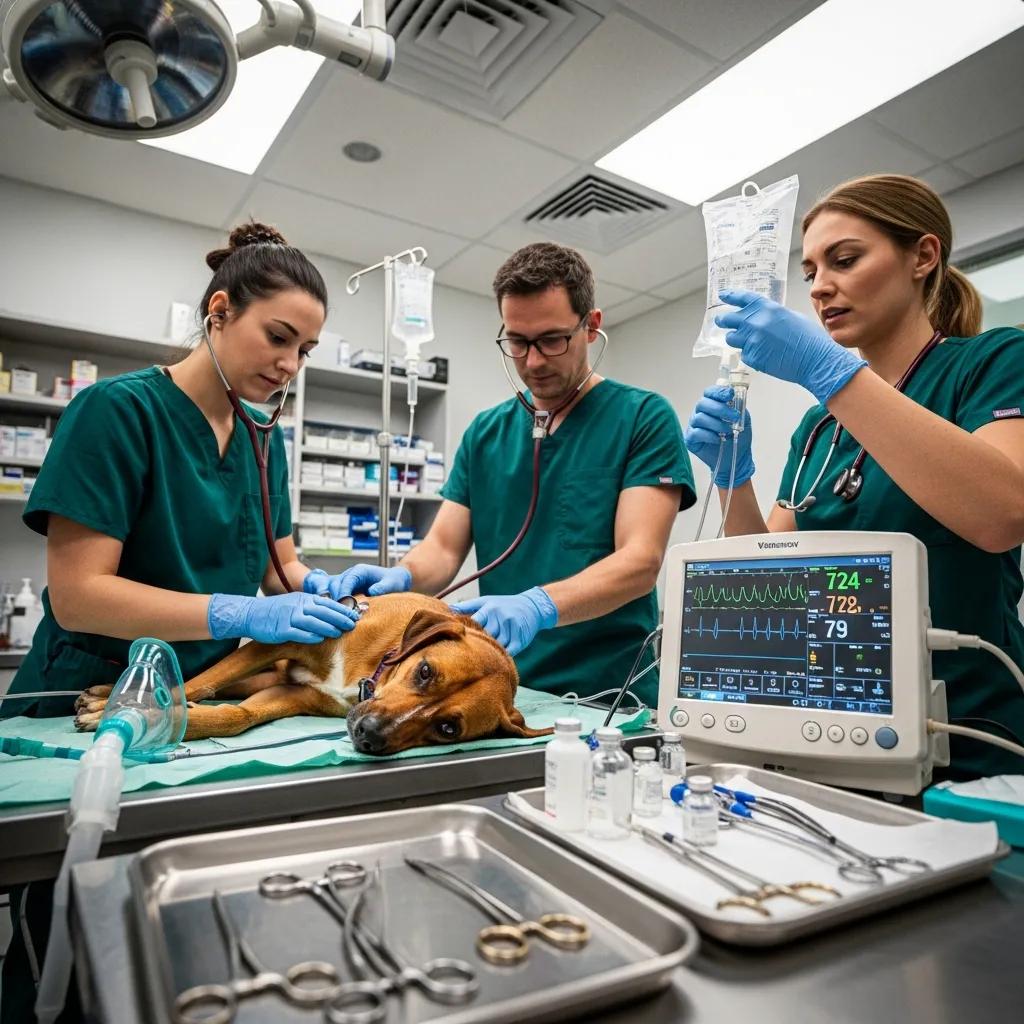
Emergency and urgent pet care address time-sensitive medical issues, but they differ in severity and immediacy: emergencies are life-threatening situations requiring immediate stabilization, while urgent care handles problems needing prompt attention but not immediate life-saving measures. Emergency care focuses on airway, breathing, circulation, and shock management followed by rapid diagnostics; urgent care triages symptoms, initiates diagnostics like bloodwork and imaging, and provides treatments such as fluids or pain control. Clear triage and swift diagnostic workflows shorten time to treatment and improve outcomes by enabling targeted interventions. This distinction helps owners decide whether to seek emergency services or schedule an urgent visit.
When deciding between urgent and emergency care, call the clinic for triage guidance and prepare to transport the pet if directed. For immediate life-threatening signs such as respiratory distress or severe bleeding, owners should act without delay and seek emergency stabilization. Pine Animal Hospital provides urgent stabilization and can guide owners toward after-hours emergency facilities when a case exceeds urgent care scope; the clinic also offers information on financing options for unexpected costs to ease decision-making during a stressful event.
Below is guidance on urgent services you can expect during an urgent visit and how follow-up is handled to ensure continuity of care.
| Urgent Service | Typical action on presentation | Owner expectations |
|---|---|---|
| Triage & stabilization | Rapid assessment and immediate life-support measures | Short wait, quick intervention, monitoring |
| Immediate diagnostics | Point-of-care bloodwork and X-rays | Faster diagnosis and targeted treatment plans |
| Short-term treatment | Fluids, pain control, wound care, medications | Brief observation and instructions for home care |
| Follow-up coordination | Schedule recheck or referral to specialist if needed | Clear next steps and continuity of care |
When Should You Seek Emergency Veterinary Care?
Emergency signs in pets include difficulty breathing, collapse, uncontrolled bleeding, seizures, sudden severe weakness, and suspected poisoning; these conditions threaten life and require immediate stabilization by a veterinary team. Rapid owner actions include stopping bleeding with direct pressure when safe, keeping the animal calm and warm, and transporting carefully to avoid worsening injuries. For seizures, time the episode, protect the pet from injury, and seek emergency assistance if seizures persist or recur. Swift recognition and action preserve vital function while the veterinary team initiates life-saving interventions.
Prioritizing these red flags over less urgent symptoms ensures that truly critical cases receive immediate care and that limited emergency resources remain available. Understanding when to act also reduces delay-related complications and increases the chance of successful resuscitation or stabilization, which is why emergency triage protocols emphasize these high-risk signs.
- Emergency signs include difficulty breathing, collapse, and uncontrolled bleeding that require immediate clinic contact and transport.
- For seizures, protect the pet from injury and seek urgent evaluation if seizures continue or recur.
- Suspected poisoning, severe trauma, or ingestion of a foreign object also warrant immediate emergency attention.
Owners who recognize these signs and act quickly improve the likelihood of positive outcomes, and the next section outlines the specific urgent care services that manage less catastrophic but still time-sensitive conditions.
What Are the Urgent Care Services Offered for Pets?
Urgent care services treat injuries and illnesses that need prompt attention without meeting the threshold for emergency surgery or intensive care, offering triage, on-site diagnostics, short-term treatment, and discharge instructions for home care. Typical urgent treatments include fluid therapy for dehydration, analgesia for acute pain, wound cleaning and suturing, and short observation to ensure stability before discharge. Turnaround times often depend on diagnostic complexity, but many cases receive initial assessment and basic treatments within a single visit, with the veterinary team scheduling follow-up or referral if specialized care is required. Clear communication about expected timelines and next steps helps owners prepare and reduces anxiety about urgent visits.
After urgent stabilization, continuity of care often involves scheduled rechecks, medication plans, and, when needed, coordination with specialists for advanced imaging or surgery. This workflow ensures that urgent visits are a bridge from immediate stabilization to definitive treatment when necessary, providing a structured pathway that helps pets recover fully and prevents recurrence of the same issue.
What Specialized Surgical Procedures Are Performed at Pine Animal Hospital?
Specialized veterinary surgery includes soft-tissue operations, routine procedures such as spay and neuter, and orthopedic interventions to address musculoskeletal injuries and improve mobility. Surgical care relies on preoperative diagnostics, individualized anesthesia plans, and intraoperative monitoring to ensure safety; postoperative pain management and rehabilitation support recovery and functional outcomes. These procedures restore health by removing disease, repairing damage, or reconstructing anatomy to alleviate pain and improve quality of life. Owners should expect clear pre-op instructions, discussion of risks and benefits, and a recovery plan tailored to the pet’s procedure and lifestyle.
The hospital’s surgical capabilities range from routine soft-tissue surgeries to orthopedic procedures accompanied by client education about rehab and home care. Surgical safety practices minimize complications and support predictable recoveries, while follow-up visits measure healing and adjust pain control. The next section lists common surgeries, indications, and recovery expectations in a concise, practical format.
| Surgery Type | Common Indications | Typical Recovery Notes |
|---|---|---|
| Spay/Neuter | Population control, prevent reproductive disease | Short-term activity restriction; full recovery in 10-14 days |
| Mass removal (soft tissue) | Suspicious lumps, localized tumors | Sutures removed in 10-14 days; pathology may guide further care |
| Dental extractions | Advanced periodontal disease or fractured teeth | Pain control and soft diet recommended; rapid improvement |
| Orthopedic surgery | Cruciate ligament tears, fractures, luxations | Longer recovery with physical therapy; gradual return to activity |
Which Common Pet Surgeries Are Available?
Routine surgeries address both elective and medically necessary conditions; examples include spay/neuter for population and reproductive health, lump or mass removals for diagnostic and therapeutic purposes, and dental extractions to resolve painful oral disease. Each procedure begins with preoperative assessment and diagnostics to minimize anesthetic risk, followed by a monitored anesthesia plan and postoperative instructions for pain management and incision care. Recovery timelines vary by procedure: dental and routine soft-tissue surgeries commonly allow discharge the same day with short activity restriction, whereas orthopedic surgeries often require extended recovery and rehabilitation. Understanding expected timelines and home-care responsibilities helps pet owners support healing and reduces complications.
Clear communication about risks, benefits, and expected outcomes enables informed consent and improves adherence to activity restrictions and medication regimens. Owners who follow post-op instructions and attend scheduled rechecks typically see better functional recovery and fewer complications, which highlights the importance of preoperative education.
How Does Orthopedic Surgery Improve Pet Mobility?
Orthopedic surgery targets structural problems in the musculoskeletal system—such as torn ligaments, fractures, and joint disease—to restore stability and reduce pain, enabling improved mobility and function. Procedures like ligament repair or fracture fixation reconstruct damaged anatomy and are often paired with postoperative rehabilitation including controlled exercise, physical therapy, and sometimes alternative modalities to accelerate recovery. Rehabilitation promotes muscle strength, joint range of motion, and proprioception, directly translating into better gait and daily activity tolerance. Prognosis depends on the condition treated, surgical technique, and the owner’s commitment to rehab, but many pets regain a high level of function when guided by a structured recovery plan.
Owners should expect a phased rehab approach that begins with gentle controlled activity and advances as healing progresses, accompanied by pain control and monitoring for signs of inflammation or infection. Consistent follow-up ensures timely adjustments in therapy and validates progress, helping pets achieve optimal mobility after orthopedic interventions.
How Does Preventive Pet Wellness Enhance Long Beach Pets’ Health?
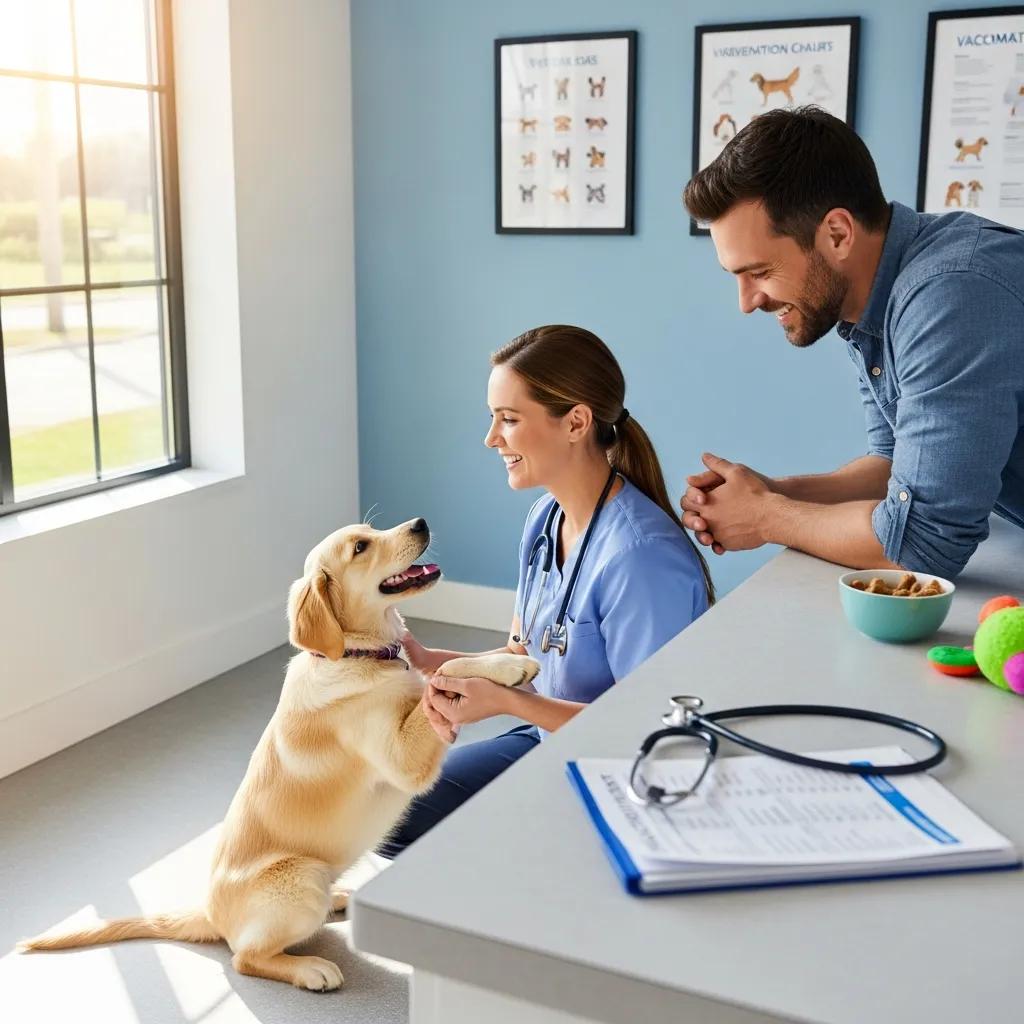
Preventive wellness in pets combines routine exams, vaccinations, parasite prevention, nutrition counseling, and behavior assessment to detect early disease, prevent infection, and maintain overall health across life stages. The mechanism is early detection and interruption of disease progression through screening, immunization, and tailored care plans that reduce the incidence and severity of common conditions. Preventive care reduces long-term costs by avoiding late-stage disease, improves quality of life through weight and dental health management, and supports longevity by catching problems when they are most treatable. Regular wellness interactions also create opportunities for owners to receive individualized guidance on lifestyle, diet, and activity.
A proactive wellness schedule adapts to a pet’s age, species, and risk factors, ensuring that vaccines and parasite control are timed appropriately. The following table outlines common preventive measures, their timing, and the primary benefits they deliver for dogs and cats living in Long Beach.
| Preventive Measure | Frequency/Timing | Primary Benefit |
|---|---|---|
| Wellness exam | Annually or biannually depending on age | Early disease detection and personalized care planning |
| Core vaccinations | Puppy/kitten series then annual or as recommended | Protection against widespread infectious diseases |
| Parasite prevention | Monthly or seasonally depending on product | Prevents fleas, ticks, and heartworm transmission |
| Dental evaluation | Annual or as recommended | Prevents periodontal disease and systemic complications |
What Are the Benefits of Regular Wellness Exams?
Regular wellness exams detect disease early, allowing less invasive and more effective treatments; they also enable the veterinarian to tailor vaccination and parasite prevention to the pet’s lifestyle and local risks. During an exam, vets evaluate body condition, oral health, behavior, and key organ function, often supplemented by screening tests like bloodwork to reveal subclinical conditions. Early detection reduces the progression of chronic diseases such as kidney or endocrine disorders, saves on treatment costs over time, and improves quality of life through timely interventions. Scheduling routine exams also creates opportunities for nutritional and behavioral counseling that support weight management and reduce injury risk.
Owners who maintain consistent wellness visits often see fewer emergency episodes and more predictable health outcomes due to continuous monitoring and early therapeutic adjustments. This preventive pathway supports long-term health and reduces the emotional and financial burden of treatable, late-stage disease.
- Regular wellness exams help detect disease early and allow safer, less invasive treatment.
- Vaccination scheduling and parasite prevention reduce common infectious and parasitic threats in the region.
- Nutritional counseling and early behavior interventions support weight management and long-term health.
These benefits demonstrate why preventive measures are foundational to comprehensive veterinary care and lead naturally into specific vaccine and parasite prevention recommendations.
Which Vaccinations and Parasite Prevention Are Recommended?
Vaccination plans differentiate between core vaccines that protect against widespread, severe diseases and non-core vaccines tailored to individual risk; puppies and kittens typically receive a series followed by booster schedules, while adult pets follow annual or risk-based intervals. Parasite prevention commonly includes monthly products for fleas, ticks, and heartworm prevention, with selection based on the pet’s exposure and local parasite prevalence. In Long Beach, fleas, ticks, and mosquito-borne heartworm are relevant concerns, so veterinarians recommend year-round or seasonal prevention based on lifestyle and veterinary guidance. Combining vaccines with parasite control decreases the likelihood of preventable illness and contributes to community-wide disease control.
Owners should discuss individualized schedules during wellness exams to balance protection, safety, and convenience, ensuring that young, senior, or immunocompromised pets receive appropriate protocols. Tailored prevention minimizes health risks and supports a healthy environment for pets and families.
Why Choose Pine Animal Hospital for Veterinary Services in Long Beach?
Choosing a veterinary hospital involves evaluating clinical capabilities, team expertise, and the practice’s approach to personalized care; key differentiators include a state-of-the-art facility, transparent communication, and financing options that help families access necessary care. Pine Animal Hospital positions itself as a local provider offering comprehensive services—medical diagnostics and treatment, dental procedures, surgical interventions including orthopedic surgery, urgent and emergency care, and alternative therapies like acupuncture and chiropractic—to address the full spectrum of pet health needs. The clinic emphasizes personalized, transparent care and offers financing options to help manage costs, making advanced care more accessible to Long Beach pet owners.
When selecting care, look for practices that explain diagnostic findings in plain language, present clear treatment options, and collaborate on follow-up and preventive planning. Pine Animal Hospital’s team includes veterinarians experienced in clinical medicine, surgery, and integrative therapies who work together to create cohesive care plans that reflect each pet’s needs.
Who Are the Expert Veterinarians Caring for Your Pets?
Dr. Steve Manyak, Dr. Alyssa Tamayo, and Dr. Fabiola Cardona are the veterinarians on the clinical team, bringing skillsets in medical diagnostics, surgical care, and compassionate client communication that support comprehensive patient management. Each veterinarian contributes expertise to ensure coordinated care across preventive, urgent, and surgical services, and they emphasize transparent explanations of diagnostic findings and treatment options. Their combined approach integrates conventional medical protocols with alternative therapies when appropriate to optimize outcomes. Owners can expect clinicians who partner with them to make informed decisions based on clinical evidence and the pet’s lifestyle.
What Financing Options Help Manage Veterinary Care Costs?
Financing options are available to help families manage the cost of veterinary care and ensure pets receive recommended diagnostics, treatments, and follow-up care without undue delay. Clients are encouraged to ask staff about available payment assistance and financing plans when discussing treatment options so that financial concerns do not prevent necessary care. Transparent discussion of expected costs, payment plans, and timeline for procedures helps owners make decisions aligned with their pets’ needs and household budgets. Proactive financial conversations during appointment scheduling or at evaluation appointments support timely care and reduce stress during urgent or surgical situations.
- Key services: The hospital offers diagnostics, dental care, surgery, urgent stabilizing care, and alternative therapies that cover most pet health needs.
- Team approach: Experienced veterinarians coordinate care and explain options clearly to support informed decisions.
- Access and payment support: Financing options and staff guidance help families obtain recommended care when unexpected health issues arise.