
Pine Animal Hospital Blog: Your Guide to Pet Dental Care, Preventative Vet Care, and Common Pet Health Issues in Long Beach
Does your pet’s breath seem a bit off, or are they picking at their food? Excellent dental care is fundamental to your pet’s overall well-being. As a pet owner in Long Beach, you deserve clear guidance on when to schedule professional cleanings, how to spot early signs of dental issues, and the best preventative strategies for a lifetime of health. This comprehensive guide from the Pine Animal Hospital Blog offers practical advice on oral hygiene, wellness check-ups, vaccination schedules, common health concerns, balanced nutrition, emergency vet services, and local resources. You’ll learn why dental health is crucial, how to recognize disease symptoms, top vet care practices, prevalent issues in Long Beach, personalized nutrition tips, when to seek emergency care, and ongoing support for pet parents. With straightforward, customized recommendations and specialist-level diagnostics at general practice prices, Pine Animal Hospital is dedicated to helping you maintain your beloved companion’s vitality and comfort.
Why Is Pet Dental Care Essential for Long Beach Pets?
Pet dental care involves regular professional cleanings and at-home routines to prevent plaque buildup, gum inflammation, and potential systemic health problems. Keeping your pet’s mouth healthy helps reduce the spread of bacteria into their bloodstream, lowering the risk of heart, kidney, and liver conditions. Prioritizing dental check-ups for your dog or cat strengthens their immune system and contributes to a longer, healthier life.
How Does Oral Health Impact Your Pet’s Overall Well-being?
Oral health issues can lead to chronic inflammation, which may affect internal organs through bacteria circulating in the body. Signs like red gums and tartar indicate an active infection that can progress to periodontal disease and tooth loss. By addressing early gingivitis, Pine Animal Hospital helps prevent a cascade of health challenges, ensuring your pet maintains their energy and appetite well into their senior years.
What Are the Most Common Dental Problems in Dogs and Cats?
Understanding common dental issues can help you seek prompt veterinary care before they become serious.
- Gingivitis in dogs and cats causes inflamed, bleeding gums.
- Periodontal disease can lead to loose teeth and bone loss.
- Tooth resorption in cats erodes the tooth’s enamel and dentin.
- Fractured teeth in active dogs can expose the sensitive pulp and cause pain.
These dental problems can make eating difficult, lead to behavioral changes, and increase the risk of systemic infections if left untreated. Early detection is key to preserving your pet’s oral health.
Research highlights that dental disorders are a significant concern for pet dogs, with varying degrees of severity.
Prevalence of Dental Disorders in Pet DogsPrevalence of dental disorders in pet dogs… This indexing system was used in this study with slight modifications as follows, (0) Healthy gingiva without signs of gingivitis, probing depth 0.0–1.0 mm; (1) Gingivitis with slight…Prevalence of dental disorders in pet dogs, M Kyllar, 2005
If you notice persistent bad breath (beyond typical “doggy breath”), difficulty chewing, or a sudden disinterest in chew toys, it’s time to schedule a dental consultation. Emergency cleanings might be necessary if your pet experiences excessive bleeding or loose teeth, which can indicate advanced periodontal disease and significant pain.
How Can You Recognize Signs of Dental Disease in Your Pet?
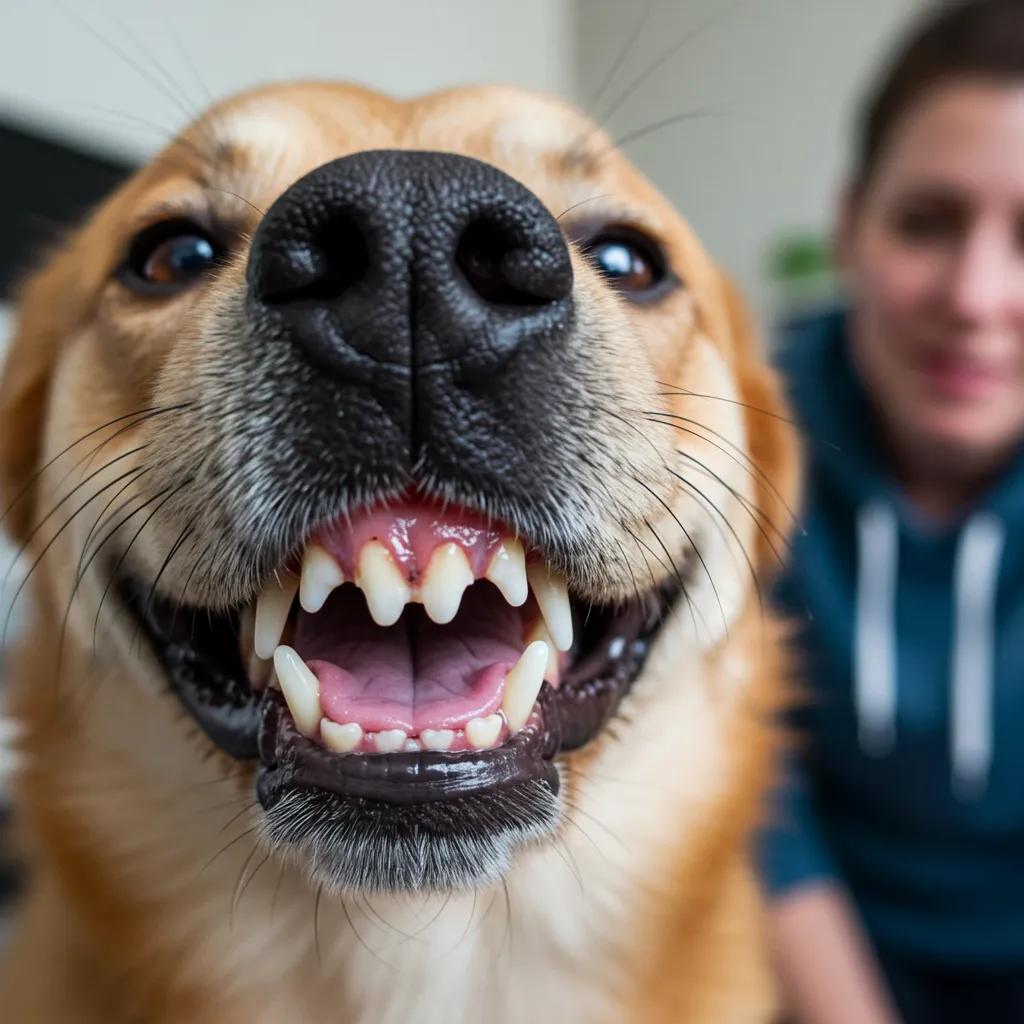
Catching dental disease early can prevent the need for extensive treatments and ensure your pet’s comfort. Watch for changes in behavior, eating habits, or any oral discharge. Prompt identification allows for intervention before irreversible damage occurs.
What Are the Key Dental Symptoms in Dogs?
Dogs often show specific signs when their oral health is declining.
- Persistent bad breath, even after providing fresh water.
- Hesitation to chew hard toys or dropping food mid-chew.
- Paw-licking or rubbing at their mouth, indicating discomfort.
- Visible tartar buildup along the gum line.
What Are the Key Dental Symptoms in Cats?
Cats are masters at hiding pain, but they often display subtle cues when dental disease is present.
- Increased drooling or saliva tinged with blood.
- Less frequent grooming, leading to a less tidy coat.
- Weight loss due to avoiding crunchy food.
- Making noises while eating or pawing at their cheeks.
If you observe uncontrollable bleeding in the mouth, fractured teeth exposing the pulp, or swelling around the jawline, seek immediate veterinary care. Quick treatment can prevent infection from spreading to vital areas and relieve acute pain.
Radiographic evaluation is crucial for accurately diagnosing and managing feline tooth resorptive lesions, especially when clinical signs are not immediately apparent.
Radiographic Assessment and Management of Feline Tooth Resorptive LesionsDiagnosis of feline resorptive lesions… Teeth exhibiting root resorption but without clinical crown involvement can only be… The selection criterion is that there must be no clinical evidence of “feline …Radiographic evaluation and treatment of feline dental resorptive lesions, Unknown Author, 2005
What Are the Best Preventative Vet Care Practices for Long Beach Pets?
Preventative veterinary care involves regular check-ups, customized vaccination plans, parasite control, and lifestyle advice to ward off illness. Establishing a proactive wellness routine helps owners identify minor issues before they develop into serious conditions.
How Often Should Your Pet Have Wellness Exams at Pine Animal Hospital?
Routine wellness exams offer a comprehensive health overview and aid in early disease detection.
- Puppies and kittens should visit us quarterly during their rapid growth stages.
- Adult dogs and cats typically need exams every six to twelve months, depending on their age and breed predispositions.
- Senior pets or those managing chronic conditions benefit from bi-annual check-ups to adjust their care plans as needed.
Systematic reviews emphasize the importance of preventative healthcare consultations in veterinary medicine, highlighting their role in overall pet well-being and owner satisfaction.
Success of Canine and Feline Preventative Healthcare ConsultationsMeasuring the success of canine and feline preventative healthcare consultations: a systematic review… of the preventative healthcare consultation, such … veterinarian satisfaction to determine success. In addition, 30 narrative citations, including expert opinion pieces, textbooks, guidelines …Measuring the success of canine and feline preventative healthcare consultations: a systematic review, NJ Robinson, 2018
What Vaccinations and Parasite Controls Are Recommended in Long Beach?
Long Beach’s coastal environment increases the risk of exposure to diseases carried by mosquitoes and fleas. Key vaccinations include:
| Vaccine | Disease Prevented | Why It’s Vital |
|---|---|---|
| Rabies | Fatal viral infection | Mandatory by law and protects community health |
| Distemper/Parvovirus | Severe respiratory/gastrointestinal illness | Crucial for puppy and dog survival |
| Feline Viral Rhinotracheitis | Serious upper respiratory disease | Helps prevent widespread outbreaks in cat populations |
| Lyme disease | Tick-borne bacterial infection | Reduces the risk of joint and kidney problems |
Year-round protection against heartworm, fleas, ticks, and intestinal worms is provided through monthly oral or topical treatments.
How Does Pine Animal Hospital Personalize Preventative Care Plans?
At Pine Animal Hospital, we believe in a personalized approach to care. After discussing your pet’s lifestyle—including their activity level (indoor vs. outdoor), travel habits, and diet—our veterinary team develops a unique wellness plan. These plans can incorporate health screenings, microchipping, behavior consultations, and nutritional advice tailored to your pet’s specific needs and environment.
What Are the Benefits of Annual Pet Wellness Plans?
Our annual wellness plans bundle essential services at a predictable cost, encouraging regular care and early detection of health issues. Plans typically include:
- Two comprehensive physical exams per year with digital health records.
- Core vaccinations and parasite prevention.
- Thorough bloodwork to assess organ function.
- Dental evaluations to catch early signs of gingivitis.
What Are the Most Common Pet Health Problems in Long Beach?
Environmental factors and lifestyle choices common in Long Beach can contribute to specific health issues in pets. Understanding these patterns helps owners recognize warning signs and implement effective prevention strategies.
How Can You Identify and Manage Pet Allergies?
Allergic reactions often show up as itchy skin, recurring ear infections, and persistent sneezing. Identifying the triggers—such as pollen, dust mites, or certain food ingredients—starts with a thorough examination and allergy testing. Management may involve special diets, medicated topical treatments, or immunotherapy to help your pet build tolerance over time.
What Are the Signs and Treatments for Canine Arthritis?
Arthritis in dogs typically causes stiffness, difficulty with stairs, and a general decrease in activity. X-rays can confirm joint degeneration, and treatment plans often include anti-inflammatory medications, weight management, and physical therapy. Supplements like omega-3 fatty acids can support joint health, while customized exercise routines help maintain mobility without causing further pain.
How to Recognize and Treat Dog Ear Infections?
Ear infections in dogs often lead to head shaking, redness inside the ear, and a foul odor. Examining ear swabs under a microscope helps identify yeast or bacterial overgrowth. Treatment usually involves cleaning the ears, using topical or oral medications, and addressing any underlying allergies to prevent infections from returning, all under the guidance of Pine Animal Hospital’s dermatology specialists.
When Should You Be Concerned About Cat Vomiting and Diarrhoea?
While occasional vomiting due to hairballs can be normal for cats, persistent vomiting or diarrhea usually indicates a digestive issue or infection. Seek immediate veterinary attention if these symptoms last longer than 24 hours, or if you notice signs of dehydration, lethargy, or blood in the vomit or stool. Prompt diagnosis and treatment, including fluid therapy and diagnostic imaging, are essential to determine the cause.
What Pet Nutrition Advice Does Pine Animal Hospital Offer for Long Beach Pets?

Proper nutrition is key to preventing illness and aiding recovery. Pine Animal Hospital provides evidence-based dietary recommendations tailored to your pet’s life stage, breed, and health condition.
How to Choose the Best Food for Your Dog or Cat?
Selecting the right diet means matching nutrient levels to your pet’s specific metabolic needs.
| Life Stage | Protein Requirement | Fat Requirement |
|---|---|---|
| Puppy/Kitten | 22–32 % | 8–20 % |
| Adult | 18–25 % | 5–15 % |
| Senior | 18–25 % (lower phosphorus) | 5–12 % |
High-quality dry and wet foods approved by veterinary nutritionists ensure a balanced intake of vitamins, minerals, and amino acids. Regularly monitoring your pet’s body condition score helps adjust portion sizes and prevent obesity.
What Role Do Supplements Play in Pet Health?
Supplements can help fill nutritional gaps or support specific health concerns:
- Glucosamine and chondroitin for joint health and lubrication.
- Probiotics to support a healthy gut microbiome.
- Antioxidant blends to help manage inflammation.
We select each supplement based on scientific evidence and integrate it into your pet’s overall care plan following a thorough nutritional assessment.
How Can Nutrition Help Prevent Dental and Other Health Issues?
Certain food textures and specialized kibble formulas can help reduce plaque buildup, while water additives can help neutralize oral pH. High-quality protein sources and controlled carbohydrate levels support lean muscle mass and stable blood sugar levels. This nutritional synergy enhances dental health, joint function, and immune strength, complementing the preventative care strategies we’ve discussed.
When Should You Contact an Emergency Vet in Long Beach?
Urgent situations require immediate access to expert veterinary care. Knowing when to seek emergency help can be critical for saving your pet’s life and maintaining their quality of life.
What Are Common Emergency Situations for Pets?
Common emergencies include:
- Ingesting toxic substances like medications or household cleaners.
- Traumatic injuries from car accidents or falls.
- Sudden difficulty breathing or severe allergic reactions.
- Uncontrolled bleeding or significant lameness.
How Does Pine Animal Hospital Provide Emergency Veterinary Care?
Pine Animal Hospital’s urgent care unit offers support outside of regular hours, equipped with on-site diagnostics, oxygen therapy, and pain management. Our dedicated team handles triage, resuscitation, and advanced imaging to diagnose fractures or internal injuries. We keep you updated via text messages during critical procedures.
What Should You Do Before Arriving at the Emergency Clinic?
If possible, safely secure your pet in a well-ventilated carrier or on a non-slip blanket to minimize stress and further injury. Bring any available medical records, including medication lists and vaccination history. Keep the phone number for Pine Animal Hospital’s urgent care team readily accessible to streamline your arrival and the initial assessment process.
How Does Pine Animal Hospital Support Long Beach’s Pet Community Through Education and Care?
Beyond our clinical services, Pine Animal Hospital is committed to community involvement through accessible resources, expert advice, and local partnerships that strengthen the bond between pets and their owners.
What Resources Does the Pine Animal Hospital Blog Provide for Pet Owners?
Our blog offers step-by-step guides on topics like brushing your pet’s teeth, administering medications, and behavior training. In-depth articles cover seasonal health risks and breed-specific care to promote responsible pet ownership. We also provide video demonstrations and infographics to make expert advice easy to follow for every household.
How Do Our Veterinarians Address Frequently Asked Questions?
The veterinarians at Pine Animal Hospital provide clear, evidence-based answers to common questions about vaccine schedules, dietary changes, and senior pet care. These expert responses combine clinical experience with the latest research to build trust, clear up confusion, and guide you in providing the best possible care for your pet’s lifelong well-being.
Where Can You Find Local Pet-Friendly Parks and Adoption Resources?
Long Beach features several great off-leash parks, including Colorado Lagoon Trail and Bixby Dog Park, perfect for socialization and exercise. We partner with local shelters to promote adoption events and connect families with wonderful pets in need of homes. Check our community calendars and in-clinic bulletin boards for information on adoptions, training classes, and seasonal wellness clinics.
Pine Animal Hospital’s comprehensive approach to pet care combines preventative dental services, personalized wellness exams, tailored nutrition, and emergency preparedness, all under one compassionate roof. Schedule your pet’s appointment today to experience community-focused veterinary excellence in Long Beach, where every animal receives the specialized, expert attention they deserve.