24-Hour Emergency Veterinary Care: Knowing When to Rush Your Pet to Us
When your beloved pet faces a sudden health crisis, swift and expert care is paramount. Here at Pine Animal Hospital, we offer round-the-clock emergency veterinary services for the Long Beach community and surrounding areas. Our dedicated team provides immediate assessment, critical stabilisation, advanced diagnostics, and intensive support to ensure your pet receives the best possible care. This guide will help you identify urgent symptoms, administer basic first aid, understand our emergency services, navigate costs, prepare for unexpected events, and take steps to prevent future emergencies. Discover how our skilled critical care team and state-of-the-art facilities are always ready to help your furry family member.
We’ll start by outlining the signs that indicate a need for emergency care and what to look out for. Then, we’ll detail the comprehensive services we offer, from initial triage and consultations to intensive care, advanced diagnostics, surgical procedures, and blood transfusions. We’ll also cover our commitment to cost transparency, how to prepare your pet for emergencies, specific condition warnings and treatments, and preventative measures to minimise risks. Finally, you’ll find information on local resources, the expertise of our specialist team, and helpful educational tools designed to keep your pet safe and healthy.
When Should You Seek Emergency Veterinary Care?
Deciding if your pet needs immediate veterinary attention involves assessing the seriousness, duration, and progression of their symptoms compared to their usual behaviour. Acting quickly, within minutes or hours, can make a significant difference in your pet’s recovery and prevent serious complications. Recognising critical signs early on leads to better outcomes, so it’s vital to know when to seek help.
Life-threatening emergencies often involve sudden changes in vital signs, significant trauma, or abrupt collapse. Identifying these critical warning signs and avoiding any delay ensures that our emergency medicine specialists can provide prompt interventions, stabilise your pet, and initiate advanced treatment plans.
Triage and Initial Assessment of Emergency Veterinary Patients
… pet to the emergency service as soon as possible! For legal purposes, it is also important that the telephone triage … Usually in veterinary medicine, we find ourselves triaging one pet at a …
Triage and initial assessment of the emergency patient, Unknown Author, 2018
What Are the Most Common Signs of a Pet Emergency?

Pet emergencies typically present as noticeable changes in your pet’s behaviour or physical appearance that signal distress. Keep an eye out for these common signs:
- Severe difficulty breathing or very rapid, strained breathing
- Uncontrolled bleeding, deep cuts, or broken bones
- Constant vomiting or diarrhoea, or the presence of blood in vomit or stool
- Sudden seizures, collapse, or a lack of responsiveness
- Pale or bluish gums, which can indicate shock or lack of oxygen
- An inability or unwillingness to stand, severe pain, or sudden lameness
These symptoms indicate a need for immediate veterinary assessment, as delays can lead to worsening dehydration, shock, and organ damage.
How Can I Identify Life-Threatening Conditions in My Pet?
Life-threatening conditions require urgent evaluation and often advanced life support. Key indicators include:
- Gum Colour Changes: Very pale or bluish gums suggest inadequate oxygen supply.
- Altered Mental State: Confusion, extreme lethargy, or sudden collapse point to serious neurological issues.
- Abdominal Swelling: A distended and firm belly can be a sign of gastric dilatation-volvulus (bloat).
- Signs of Cardiac Distress: Sudden weakness, fainting, or irregular heartbeats necessitate immediate cardiac assessment and potential resuscitation.
Getting your pet to a facility equipped for critical care and stabilisation without delay is crucial, as these conditions can deteriorate rapidly.
What Basic First Aid Can I Provide Before Reaching the Vet?
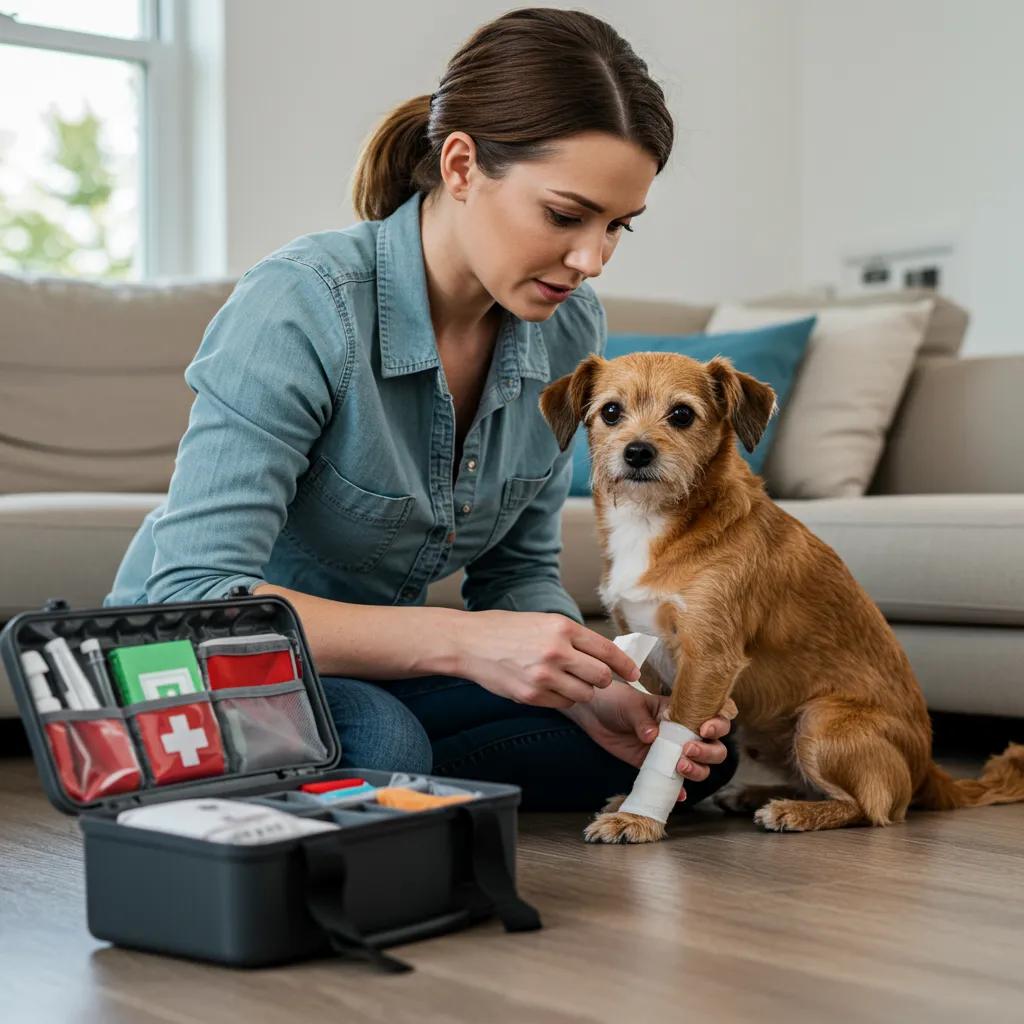
Basic first aid can help stabilise your pet while you arrange transport to a 24-hour emergency clinic. Here’s what you can do:
- Control Bleeding: Apply firm, direct pressure to any wounds using a clean cloth or gauze.
- Ensure Clear Airway: Make sure your pet can breathe easily; if they are having trouble, try to keep their head elevated.
- Prevent Shock: Keep your pet warm with blankets, but avoid overheating them.
- Immobilise Injuries: If you suspect a fracture, use makeshift splints to gently support the injured area.
- Monitor Vital Signs: Check their pulse, breathing rate, and gum colour periodically.
These steps can significantly improve your pet’s condition and support the efforts of our intensive care team when you arrive.
Pet First Aid and Disaster Preparedness Guide for Owners
… by providing educational programmes on pet safety and disaster preparedness, and by … with a quality Pet First Aid Kit. Basic, human first aid kits can be adapted for pets if you are …
Pet First Aid & Disaster Response Guide: Critical Lessons from Veterinarians, Unknown Author, 2007
What Emergency Veterinary Services Are Available 24/7 at Pine Animal Hospital?
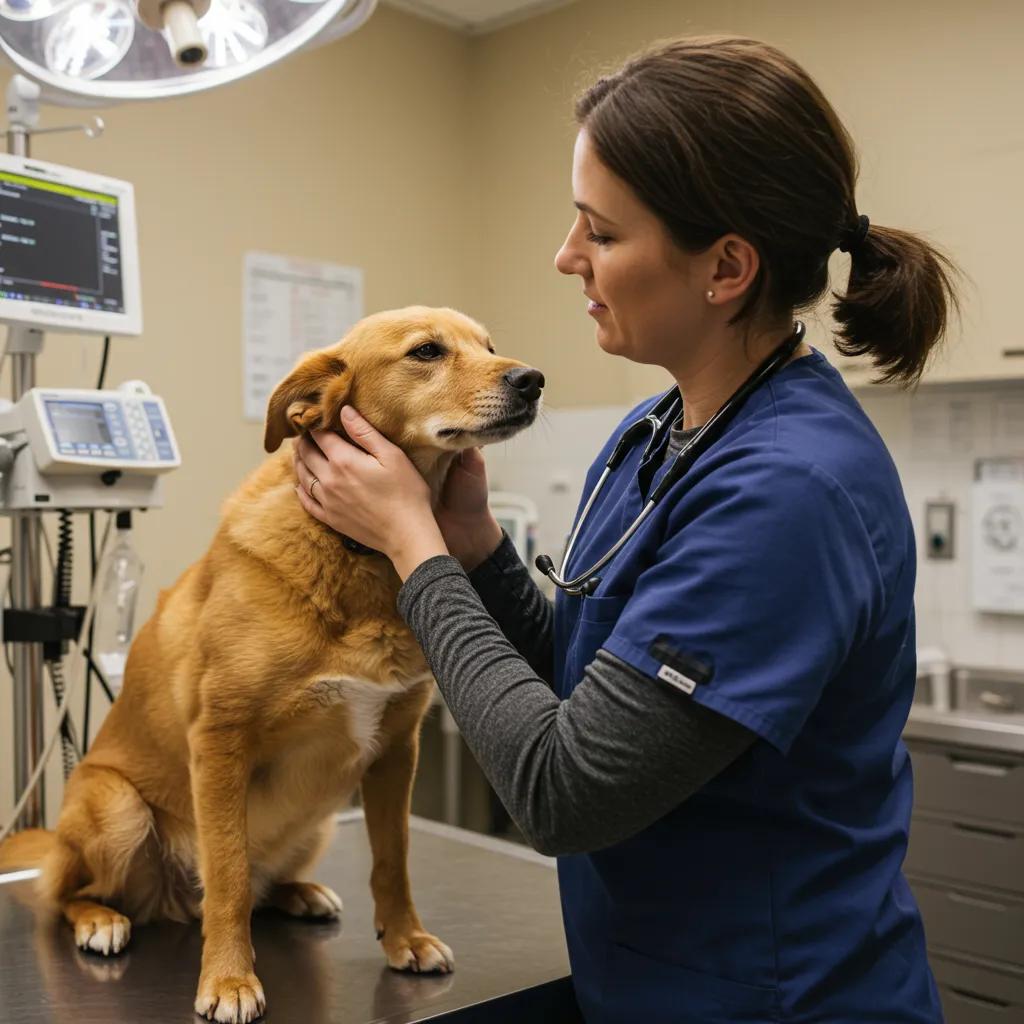
At Pine Animal Hospital, our emergency department is equipped with advanced technology and staffed by a multidisciplinary team ready to handle any critical situation, day or night. We provide rapid triage, continuous monitoring, precise diagnostics, and comprehensive treatments, all delivered with the utmost compassion for both pets and their families.
Our emergency services cover everything from initial phone consultations and critical care to advanced imaging, surgery, pain management, and blood transfusions. Every aspect of our service is designed for efficiency, ensuring that life-saving interventions are delivered promptly, reflecting our unwavering commitment to exceptional veterinary medicine.
How Does Our 24-Hour Emergency Vet Consultation Work?
When you contact us for an emergency, a veterinary nurse will first conduct a triage assessment over the phone. Upon arrival, your pet will receive immediate in-clinic evaluation. Our veterinarian and nursing teams will then:
- Quickly gather your pet’s history and assess their symptoms
- Perform a thorough physical examination, focusing on airway, breathing, circulation, neurological status, and pain
- Initiate stabilisation protocols, which may include intravenous fluids, oxygen therapy, and pain relief
This systematic approach minimises delays and ensures that critical patients are directed to the appropriate diagnostic or surgical procedures within minutes.
What Critical Care and Intensive Care Unit (ICU) Services Do We Offer?
Our ICU provides continuous monitoring and advanced support for unstable patients or those recovering from surgery. Our ICU services include:
- Constant monitoring of vital signs and telemetry
- Assistance with breathing through mechanical ventilation and oxygen cage therapy
- Advanced intravenous support and nutritional management
- Comfortable, temperature-controlled recovery areas
With state-of-the-art multi-parameter monitors and a team of veterinary critical care specialists, our ICU ensures your pet receives constant attention and tailored therapies for optimal recovery.
Which Emergency Diagnostic and Surgical Procedures Are Provided?
Our advanced diagnostic tools help us quickly pinpoint the cause of your pet’s distress. We offer:
| Diagnostic Tool | Purpose | Benefit |
|---|---|---|
| Digital X-rays | Detecting fractures, foreign objects | Provides immediate images to guide surgical planning |
| On-Site Ultrasound | Identifying internal bleeding or fluid buildup | Offers quick, non-invasive assessment |
| In-House Lab Tests | Blood counts, chemistry panels, clotting times | Delivers rapid results to guide treatment decisions |
| CT/MRI Scans | Detailed imaging of the brain, chest, or abdomen | Offers in-depth views of internal anatomy |
How Do We Manage Emergency Pain and Blood Transfusions?
Effective pain management and blood product support are vital for your pet’s recovery. Our approach includes:
- A combination of pain relief medications tailored to your pet’s needs
- Blood transfusions (whole blood, red blood cells, or plasma) as required
- Continuous monitoring of pain levels and vital signs to adjust treatment
This comprehensive approach helps ensure your pet is comfortable, promotes healing, and supports essential oxygen delivery to their organs.
What Are Typical Emergency Veterinary Costs?
We believe in providing clear information about costs so you can make informed decisions during stressful times. Emergency veterinary consultation fees typically start between £200–£300, not including diagnostics or treatments. Understanding these potential costs and available payment options can help ensure your pet receives timely care.
Pricing can vary based on the complexity of the case, the resources required during unsocial hours, and the cost of medications and supplies. Pet insurance can often cover a significant portion of these expenses, though policy details vary.
What Are Typical Emergency Vet Consultation Fees?
Our fees for emergency consultations outside of regular business hours are generally as follows:
| Consultation Time | Fee Range | Notes |
|---|---|---|
| Evening (6 PM – 10 PM) | £200–£250 | Includes standard unsocial hours surcharge |
| Night (10 PM – 8 AM) | £250–£300 | Reflects critical care staffing costs |
| Weekends/Public Holidays | £280–£330 | Covers premium service availability |
How Are Treatment and Surgery Costs Calculated?
The cost of treatment and surgery depends on several factors:
- Diagnostic Needs: Advanced imaging and laboratory tests will add to the overall cost.
- Surgical Complexity: The type of surgery, whether soft tissue or orthopaedic, influences the time, equipment, and expertise required.
- Hospitalisation Length: Intensive care stays with continuous monitoring incur higher daily rates.
- Medications and Supplies: Costs for blood products, implants, and specialised medications are included.
We provide detailed estimates outlining anticipated costs before proceeding with any treatment.
What Payment Options and Pet Insurance Cover Are Available?
We offer flexible payment solutions and support for pet insurance to ease financial concerns:
- Pet Insurance: Many policies cover emergency visits, hospitalisation, and surgery up to their annual limits.
- Payment Plans: We partner with third-party providers to offer interest-free instalment plans.
- Financial Assistance: Veterinary charities may offer grants for eligible owners facing financial hardship.
Discussing payment and insurance during your initial triage can help ensure your pet receives the care they need without financial interruption.
How Can I Prepare for a Pet Emergency?
Being prepared can significantly reduce panic and speed up response times when every moment counts. Having an emergency plan in place, including essential supplies, contact information, and clear procedures for getting to the clinic, can make a critical difference.
By assembling a first aid kit, knowing our location, and familiarising your family with our arrival process, you can focus on your pet’s well-being rather than logistical concerns during a stressful event.
What Should I Include in a Pet First Aid Kit?
A well-equipped first aid kit can provide immediate assistance before you reach our clinic. Consider including:
- Sterile gauze pads and bandages for wound care
- Disposable gloves and antiseptic wipes for hygiene
- A digital thermometer and styptic powder for bleeding control
- A muzzle or leash to safely handle a distressed pet
- Small scissors, tweezers, and an eye dropper for minor procedures
Regularly check and restock your kit to ensure it’s always ready.
How Do I Contact Pine Animal Hospital for Urgent Care?
Our emergency hotline is available 24/7, staffed by experienced veterinary nurses ready to assist you. To reach our team:
- Call our dedicated emergency number, available anytime.
- Provide your pet’s age, breed, symptoms, and your current location.
- Follow the nurse’s instructions regarding safe transport and any necessary first aid.
What Should I Expect When Arriving at the Emergency Vet Clinic?
When you arrive at our emergency clinic, we have a streamlined process to ensure your pet receives prompt attention:
- A veterinary nurse will greet you and take your pet to a triage area for immediate vital sign assessment.
- A veterinarian will conduct a focused history review and a rapid physical examination.
- Stabilisation measures, such as oxygen, IV fluids, or pain relief, will begin immediately while diagnostic tests are prepared.
Following this initial assessment, a team member will discuss the findings, proposed treatment plan, and cost estimates with you.
What Are the Signs and Treatments for Specific Pet Emergencies?
Different emergencies require specific recognition and interventions. Understanding the symptoms and appropriate responses for various conditions can help you provide better initial care and communicate effectively with our emergency team.
How Do I Recognise and Respond to Pet Poisoning and Toxin Ingestion?
Signs of poisoning can appear within minutes to hours and may include:
- Vomiting, excessive drooling, or diarrhoea
- Loss of coordination, seizures, or tremors
- Weakness or collapse, especially if toxins affect the nervous system
Your immediate actions should be:
- Remove your pet from further exposure to the suspected toxin. If possible, bring any packaging, plant samples, or vomit for identification.
- Do not try to induce vomiting unless specifically instructed by a veterinarian, as some substances can cause more harm coming back up.
- Transport your pet to the emergency department for decontamination, administration of activated charcoal, and supportive IV fluid therapy.
What Are the Symptoms and Emergency Care for Pet Seizures and Collapse?
Seizure emergencies can manifest as:
- Uncontrolled muscle activity, often with paddling limb movements
- Periods of disorientation before and after the seizure
Emergency care involves:
- Protecting your pet’s head and limbs from injury during the seizure
- Administering oxygen and keeping them warm if their body temperature drops
- Providing intravenous anticonvulsant medication and continuous monitoring until they are stable
How Is Trauma and Injury Managed in Emergency Vet Care?
Trauma from accidents or fights often affects multiple body systems. Our management protocol includes:
- A rapid assessment of your pet’s airway, breathing, circulation, neurological status, and overall exposure (ABCDE approach)
- Controlling any bleeding, stabilising fractures with splints, and providing pain relief
- Using imaging techniques like X-rays or ultrasound to detect internal injuries
- Proceeding with surgical repair or hospitalisation based on the diagnostic findings
What Are the Warning Signs and Emergency Actions for Breathing Difficulties?
Respiratory distress can present as:
- Open-mouth breathing or an extended neck posture (orthopnoea)
- Rapid, shallow breaths, or audible wheezing and coughing
Emergency actions include:
- Providing supplemental oxygen via a mask or placing your pet in an oxygen cage
- Administering medications like bronchodilators for conditions like asthma or corticosteroids for allergic reactions
- Performing chest X-rays to determine if the issue is with the airways or the lungs themselves
How Do We Treat Urinary Blockages and Heatstroke in Pets?
Urinary obstruction in pets is characterised by:
- Straining to urinate, vocalising in pain, and abdominal discomfort
Treatment involves:
- Gentle urinary catheterisation under sedation, along with monitoring electrolytes and urine output
- Intravenous fluid therapy to help flush the urinary tract and correct imbalances
Heatstroke signs include:
- Excessive panting, heavy drooling, and potential collapse
Treatment focuses on:
- Rapid cooling using tepid water, while closely monitoring rectal temperature
- Intravenous fluid support to restore hydration and improve organ function
How Can Preventative Care Reduce the Risk of Pet Emergencies?
Proactive health measures can significantly lower the chances of your pet experiencing an acute crisis by addressing underlying health risks. Regular veterinary check-ups and appropriate lifestyle adjustments create a strong safety net, minimising the likelihood of emergencies.
By identifying potential hazards, keeping vaccinations up-to-date, and attending routine health exams, you can greatly reduce the risk of life-threatening events and ensure that any health issues are caught early, before they become critical.
What Household Dangers and Common Toxins Should I Avoid?
Many pet emergencies result from preventable exposures. Common household hazards include:
- Human medications (e.g., painkillers, antidepressants)
- Certain foods (e.g., chocolate, grapes, products containing xylitol)
- Household cleaning products and chemicals (e.g., antifreeze, rodenticides)
Keeping these items out of reach, storing them securely, and educating your family about pet-safe alternatives can significantly reduce the risk of accidental poisoning.
What Seasonal Safety Tips Help Protect My Pet?
Seasonal changes can influence the risk of emergencies for your pet:
- Summer: Protect against heatstroke by providing shade, fresh water, and limiting strenuous activity during the hottest parts of the day.
- Winter: Keep antifreeze away from pets and protect their paws from ice and de-icing salts.
- Spring/Fall: Manage allergies that can cause respiratory issues and be aware of insect bites.
Adjusting your pet’s routine to account for seasonal hazards helps keep them comfortable and safe year-round.
How Does Regular Veterinary Care Support Emergency Prevention?
Routine wellness exams are crucial for detecting early signs of conditions that could lead to emergencies:
- Heart screenings can identify murmurs or irregular heart rhythms.
- Blood and urine tests can detect early signs of kidney disease or urinary crystals.
- Vaccinations protect against infectious diseases that can quickly become severe.
Consistent preventive care not only reduces the risk of sudden critical events but also contributes to your pet’s overall long-term health and well-being.
What Resources and Support Does Pine Animal Hospital Provide for Emergency Pet Care?
In addition to our clinical services, Pine Animal Hospital offers valuable resources to help pet owners respond effectively during emergencies. Our commitment to community health and pet welfare extends to providing a strong support network and educational materials.
Access to local emergency contacts, specialist advice, and helpful guides ensures you have the knowledge and resources needed whenever an urgent situation arises.
Where Can I Find Local Emergency Contacts and Animal Poison Control?
For immediate assistance outside of our operating hours or if you are in a different location:
- National Animal Poison Control hotlines are available 24/7 for expert advice on toxic ingestions.
- Local emergency veterinary clinics can offer further assistance or facilitate transport if needed.
- Pet poison helplines and our own veterinary nursing triage lines can help you assess symptoms before travelling.
Keeping a list of these essential contacts, along with our emergency number, ensures you can always reach expert guidance when you need it.
How Do Our Veterinary Specialists Support Critical Care?
Our critical care team includes veterinary surgeons, anaesthetists, and emergency medicine specialists who work collaboratively on complex cases. Their support includes:
- Cross-disciplinary case reviews for both surgical and medical emergencies
- Advanced airway management, ventilator support, and consultations for critical interventions
- Pain management strategies developed and overseen by anaesthesia experts
This integrated approach ensures that every aspect of a critically ill pet’s care is managed by highly trained professionals.
Emergency and Critical Care Medicine: An Essential Component of Veterinary Practice
Emergency and Critical Care Medicine: An Essential Component of All Specialties and Practices. Your research is the real superpower – learn how we maximise its impact through our leading community journals.
Emergency and critical care medicine: an essential component of all specialties and practices, Unknown Author, 2017
What Educational Materials and Videos Are Available for Pet Owners?
Empowering you with knowledge can help reduce delays in seeking veterinary care. We offer:
- Short videos demonstrating essential skills like checking a pulse, applying bandages, and administering medication.
- Easy-to-understand infographics outlining first aid steps for common emergencies like choking, seizures, and trauma.
- Printable checklists for assembling your emergency kit and recording important contact information.
These resources are designed for quick reference, even on mobile devices, to boost your confidence and preparedness.
At Pine Animal Hospital, our 24-hour emergency veterinary care provides advanced critical services combined with compassionate support, ensuring every patient receives timely, expert treatment. By knowing the warning signs, being prepared to administer first aid, and understanding our costs and preparation strategies, you can act decisively when minutes truly matter. Our focus on preventative wellness and accessible educational resources further helps reduce emergency risks and promotes lifelong health for your pet. Trust our dedicated team and state-of-the-art facilities to be your steadfast partner through every pet emergency.