Trustworthy Veterinary Surgery: Ensure Safe Procedures
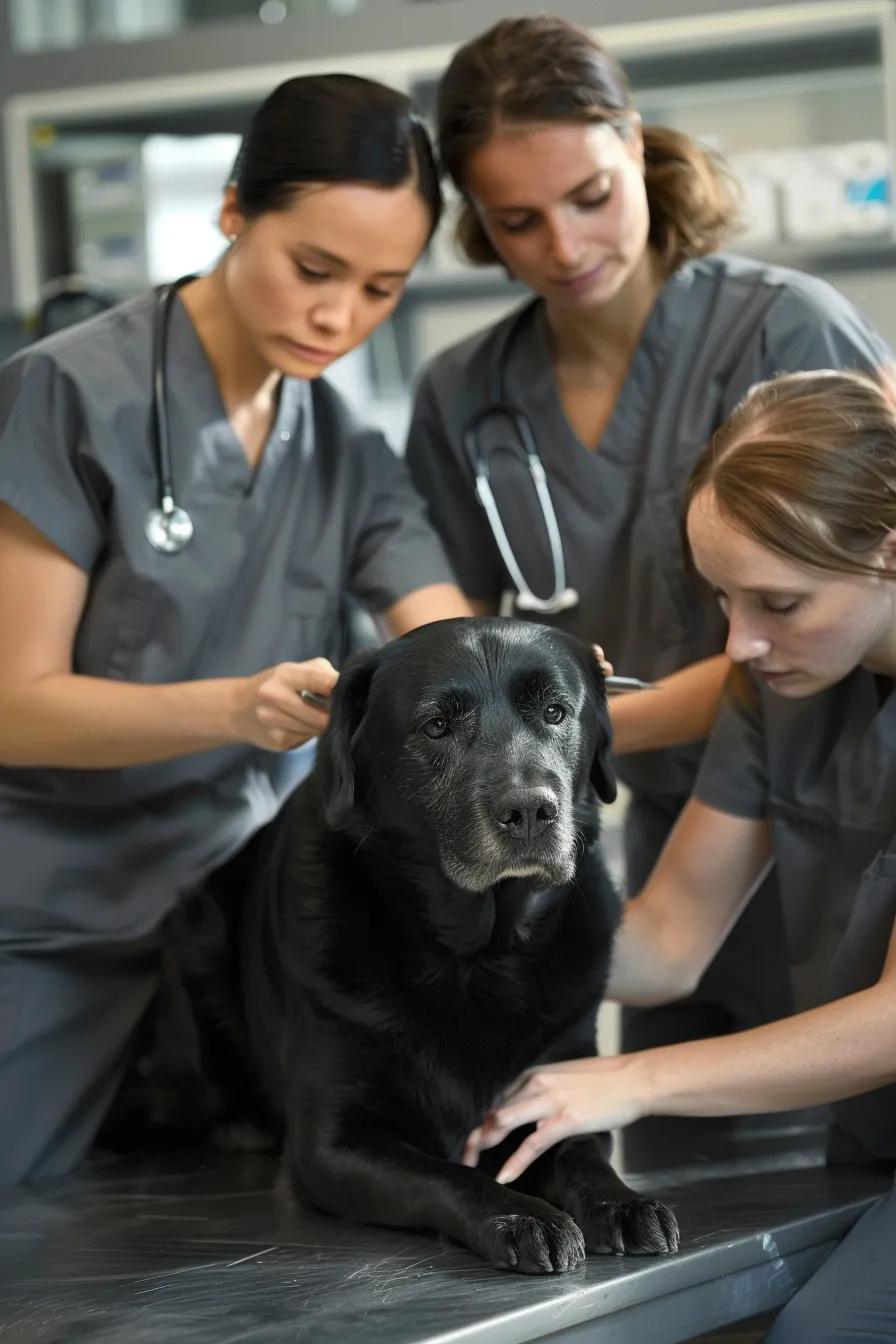
Expert Veterinary Surgical Care in Long Beach — Safe, Compassionate Pet Surgery
We offer a full range of veterinary surgical services for dogs and cats, from routine spays and neuters to emergency operations and advanced soft‑tissue or orthopedic procedures. On this page you’ll find clear explanations of common surgery types, why accurate diagnostics and careful anesthesia matter, and what to expect before, during, and after a procedure. We describe how modern monitoring, multimodal pain control, and targeted testing lower risk and speed recovery, plus practical pre‑op and post‑op checklists for home care. You’ll also find a summary of typical cost drivers, financing and wellness‑plan options, and how urgent surgical cases are coordinated locally in Long Beach. Use this guide to compare procedures, understand safety steps, and find next steps for scheduling care.
Pine Animal Hospital is committed to providing specialist‑level care at general practice prices, combining advanced diagnostics with a compassionate, down‑to‑earth approach. We emphasize microbiology and diagnostic expertise and strive to make many services available same day when possible. If your pet is scheduled for surgery, our aim here is to give you the practical information you need to make confident, informed decisions and to know the right questions to ask at your appointment. The guidance below starts with medical best practices and follows with how we apply those practices at our Long Beach clinic.
What Surgical Services Does Pine Animal Hospital Provide for Dogs and Cats?
We perform elective surgeries, urgent procedures, and specialty operations that address specific organ systems or injuries. Surgeries remove diseased tissue, repair damage, or alter function to prevent problems from getting worse; careful pre‑op diagnostics guide the surgical plan and improve outcomes. Benefits include less pain, prevention of future illness, restored mobility, and a better quality of life. The sections that follow outline common surgery categories, typical reasons for each, and realistic recovery expectations so you can prepare questions for your veterinarian.
The short summaries below help match common signs (a limp, dental pain, or an abdominal mass) to likely surgical approaches and explain why imaging or lab work is often needed before a final plan is made.
Which Common Surgeries Are Offered: Spay, Neuter, and Soft Tissue Procedures?
Spay and neuter are elective soft‑tissue surgeries that remove reproductive organs to prevent unwanted litters and reduce certain health risks. These procedures are done under general anesthesia with appropriate pain control. Typical reasons include population control, preventing pyometra, lowering testicular cancer risk, and sometimes improving behavior. Recovery usually involves 7–14 days of restricted activity, watching the incision, and a short course of pain medicine; most pets are back to normal within two weeks. Other common soft‑tissue surgeries include mass removals, wound repairs, hernia corrections, and removal of gastrointestinal foreign bodies — many of these need imaging or lab tests beforehand so we can choose the best approach.
Before surgery you can expect a preoperative assessment to evaluate anesthetic risk and, when needed, targeted diagnostics such as bloodwork or imaging. That lets our team tailor anesthesia and plan for a smooth recovery. Knowing typical timelines and follow‑up expectations lowers stress and helps owners follow home‑care instructions, which supports faster healing and fewer complications.
What Advanced Orthopedic and Dental Surgeries Are Available?
Orthopedic procedures fix musculoskeletal injuries and chronic joint problems by restoring alignment, stability, or function. Common examples include fracture repair and cruciate (ACL/CrCL) stabilization, and, when appropriate, treatments for hip or elbow dysplasia. These surgeries rely on imaging (X‑rays or CT) to map bone structure and choose implants or fixation techniques; controlled activity and rehabilitation afterward are essential for good outcomes. Dental surgeries range from extractions and periodontal work to oral mass removal; dental radiographs guide extraction technique and help plan postoperative pain control. Both orthopedic and dental care focus on effective pain management, staged rehab, and close monitoring to reduce the chance of long‑term issues.
Orthopedic rehab typically blends restricted and controlled exercise with analgesics and sometimes adjunctive therapies to support healing. Dental recovery often requires a short pain‑control plan and a soft diet while the mouth heals; scheduled rechecks let us confirm progress and remove sutures if needed.
How Does Pine Animal Hospital Ensure Safe and Compassionate Pet Surgery?
Safe surgery depends on a standardized preoperative evaluation, modern anesthesia protocols, intraoperative monitoring, strict sterile technique, and a multimodal pain‑management plan. Every surgical case begins with a risk assessment — history, physical exam, and often bloodwork — so we can tailor anesthesia and anticipate complications. Those pre‑op steps reduce perioperative risk and help produce predictable outcomes. The sections below explain how we layer diagnostics, monitoring, and pain control to make surgery safer and more comfortable for your pet.
The table that follows explains specific tools and protocols and how they contribute to safety and recovery, so owners know what to expect from a modern surgical suite.
| Monitoring & Protocol | Purpose | Safety/Benefit |
|---|---|---|
| Pre-anesthetic bloodwork | Assesses organ function and anesthetic risk | Customizes the anesthesia plan and reduces surprises |
| Continuous ECG and pulse oximetry | Tracks heart rhythm and oxygenation during surgery | Allows early detection of heart or breathing problems |
| Capnography and blood pressure monitoring | Measures ventilation and perfusion | Supports real‑time adjustments to anesthesia depth |
| Sterile surgical field protocols | Prevents contamination of the surgical site | Reduces postoperative infection rates |
| Multimodal analgesia (local + systemic) | Targets pain through multiple mechanisms | Improves comfort and speeds safe mobilization |
Combining diagnostics, monitoring, and aseptic technique reduces surgical risk and supports a faster, more reliable recovery. Knowing why we recommend pre‑op testing and perioperative monitoring helps owners feel confident in the plan.
What Are the Anesthesia and Pain Management Protocols?
Our anesthesia approach balances safety and pain control through pre‑anesthetic evaluation, individualized drug choices, and continuous intraoperative monitoring to keep physiologic parameters stable. Pre‑anesthetic steps commonly include bloodwork review, fasting guidance, and evaluation of cardiac and respiratory health so we can choose the safest drugs and doses. During surgery we monitor heart rate and rhythm, oxygenation, ventilation, and blood pressure so changes can be addressed quickly. After surgery we use multimodal analgesia — local nerve blocks plus systemic opioids or non‑opioid medications and anti‑inflammatories as appropriate — to control pain while minimizing side effects and improving recovery.
Research consistently supports multimodal pain strategies for better comfort and faster recovery after surgery.
Multimodal Pain Relief in Veterinary Postoperative Care
Multimodal analgesia — combining local blocks with systemic medications — improves postoperative pain control and supports earlier mobilization and recovery when compared with single‑mode approaches.
Monitoring continues into recovery to watch for pain, nausea, or other after‑effects of anesthesia. Discharge medications are chosen so your pet can heal comfortably at home, and we’ll explain dosing and warning signs clearly so you know when to call for help or schedule a recheck.
How Is Specialist-Level Diagnostics Integrated into Surgical Care?
Specialist‑level diagnostics — imaging (X‑ray, ultrasound), targeted blood panels, and microbiology testing — guide surgical decision‑making by clarifying anatomy, infection status, and systemic health before anesthesia. Imaging shows fracture patterns, joint disease, or soft‑tissue masses so surgeons can plan incisions and choose implants; lab tests identify organ dysfunction that might change anesthetic choices or recovery needs. Microbiology and culture testing help select the right antibiotics for infected wounds and reduce the chance of persistent infection. Using diagnostics up front reduces surprises during surgery, shortens anesthesia times, and improves long‑term outcomes.
Because test results often change surgical plans, expect your veterinarian to explain how each diagnostic influences the recommendation and to discuss alternatives if results show increased risk. Clear diagnostic planning prevents rushed decisions and makes recovery more predictable.
What Should Pet Owners Expect Before, During, and After Surgery?
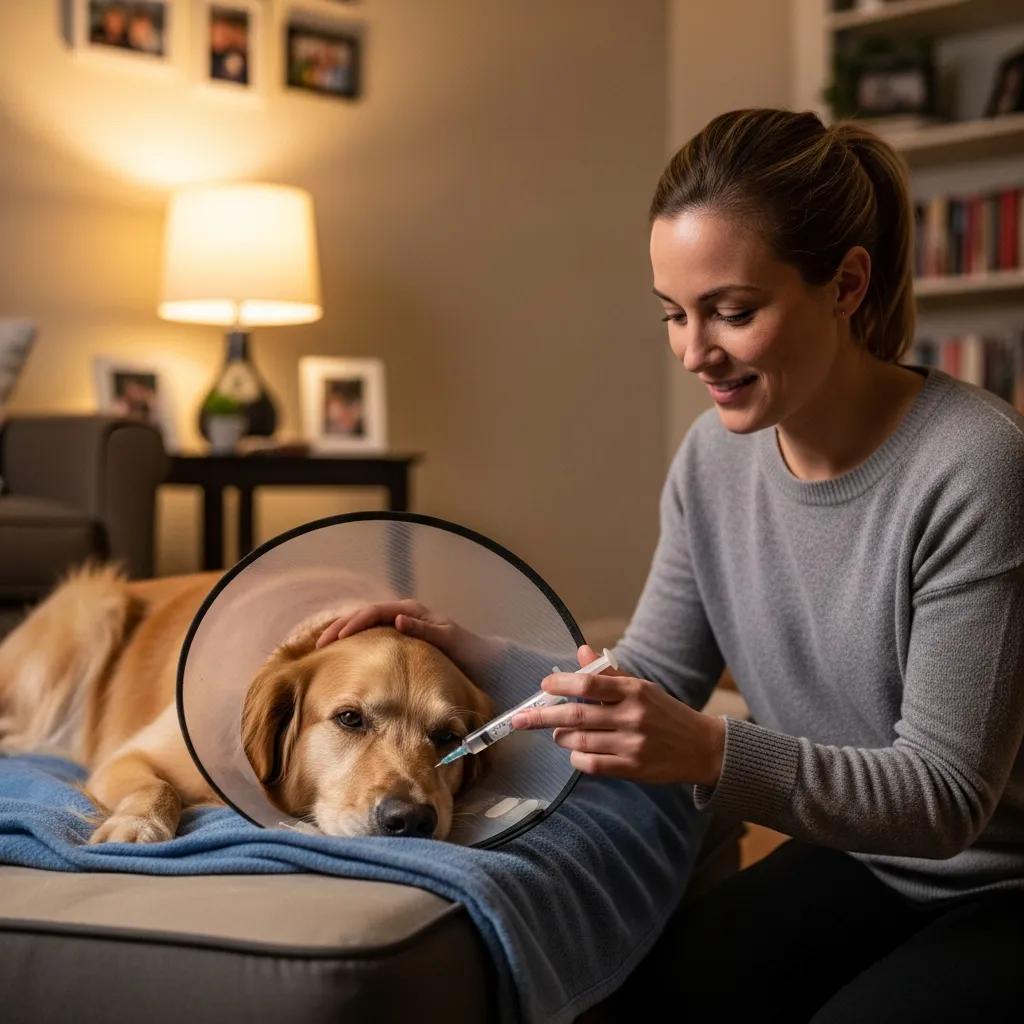
Typical preparation includes a preoperative assessment and fasting, a clear day‑of schedule with admission and communication touchpoints, and a structured post‑op plan covering medications, activity restriction, monitoring, and follow‑up visits. Each phase has a purpose: pre‑op work identifies risks, day‑of coordination reduces stress and supports anesthetic safety, and post‑op care prevents complications and speeds healing. The checklist below summarizes owner responsibilities and clinic actions so families can plan and respond confidently throughout the surgical timeline.
Having an organized checklist reduces uncertainty and gives owners concrete expectations for drop‑off, intraoperative updates, and discharge instructions. The table that follows outlines responsibilities at each stage and typical clinic follow‑up intervals.
| Stage | Owner Responsibility | Clinic Action/Value |
|---|---|---|
| Pre-op | Withhold food per instructions; bring medical records | Pre‑op assessment and diagnostics; create anesthesia plan |
| Intra-op | Provide contact info and remain reachable | Continuous monitoring and timely surgical updates |
| Post-op | Administer meds, restrict activity, watch incision | Pain checks, clear discharge instructions, scheduled rechecks |
| Follow-up | Attend recheck(s) and report concerns promptly | Confirm healing and adjust therapy as needed |
How to Prepare Your Dog or Cat for Surgery at Pine Animal Hospital?
To prepare your pet, follow fasting instructions, gather medical records, and plan calm transportation and drop‑off. Fasting typically means no food 8–12 hours before anesthesia to lower aspiration risk; your surgical team will tell you whether water or essential medications should be given the morning of surgery. Bring vaccination records, a list of current medications, and any questions about pain control or recovery so you can give informed consent. Prepare a quiet recovery area at home with soft bedding and easy access to medications for the first 24–72 hours.
Expect clinic communication during the procedure and confirm pick‑up timing and aftercare instructions at drop‑off. Bringing collars, carriers, and a written list of emergency contacts helps reduce stress and lets our team focus on your pet’s care.
What Is the Post-Operative Care and Recovery Process?
Post‑op care focuses on pain control, incision monitoring, activity restriction, and timely follow‑up to ensure healing without complications. Most procedures include at least one scheduled check within 7–14 days. Give prescribed analgesics and antibiotics as directed, watch the incision for redness, swelling, or discharge, and prevent licking or chewing with an appropriate protective device if recommended. Activity limits depend on the procedure: soft‑tissue surgeries usually need short rest periods, while orthopedic repairs can require structured rehabilitation and longer confinement to protect the repair. Contact the clinic immediately for red flags such as persistent vomiting, trouble breathing, severe lethargy, or sudden swelling.
Plan for a follow‑up visit to assess healing and remove sutures if necessary. Keeping open communication with the surgical team about mobility and pain milestones lets us tailor recovery and reduce the risk of complications.
What Are the Costs and Financing Options for Veterinary Surgery in Long Beach?
Surgical costs reflect procedure complexity, necessary diagnostics, anesthesia level, implants or specialized materials, and postoperative care. Transparent estimates help owners weigh options and plan financially. Routine elective procedures like spay/neuter usually cost less than complex orthopedic repairs that require implants and extended hospitalization. Factors that increase cost include advanced imaging, blood transfusions, longer anesthesia time, and intensive monitoring. The table below summarizes typical recovery times, anesthesia level, and representative price ranges so owners can see the main cost drivers.
| Procedure | Typical Recovery Time | Anesthesia Level | Representative Price Range |
|---|---|---|---|
| Spay (ovariohysterectomy) | 7–14 days | Standard general anesthesia | $200–$500 |
| Neuter (castration) | 7–10 days | Standard general anesthesia | $150–$400 |
| Dental extraction | 3–10 days | Sedation plus general anesthesia | $300–$700 |
| Mass removal (soft tissue) | 7–14 days | Variable (may require advanced anesthesia) | $400–$1,200 |
| Orthopedic repair (ACL, fracture) | 6–12 weeks | Advanced anesthesia, possible implants | $1,500–$5,000+ |
This price table relates cost to procedure complexity and recovery needs. Exact pricing depends on the diagnostic workup and any findings during surgery, so we provide itemized estimates after initial testing when possible.
Knowing what a surgical estimate includes — pre‑op diagnostics, anesthesia monitoring, surgeon time, implants, and postoperative rechecks — helps you compare options and avoid surprises. Many clinics offer payment plans, wellness plans, or third‑party financing to help families get the care their pets need without compromising treatment choices.
How Transparent Is the Pricing for Spay, Neuter, and Other Procedures?
Transparent pricing means a clear, itemized estimate that lists diagnostics, anesthesia monitoring, surgeon time, medications, and any implants or disposables. Some cases require higher fees because of extra testing or unexpected findings. Costs also vary with patient size, medical conditions, and the need for extended hospitalization. Asking for a written estimate and clarification on possible contingencies gives you the information needed to plan and provide informed consent.
We recommend requesting an estimate early in the process so you aren’t faced with last‑minute financial stress. Ask about what’s included — for example, postoperative rechecks and analgesics — and about refund or adjustment policies so you can compare value across providers.
Are Payment Plans or Wellness Plans Available to Support Surgical Care?
Payment plans, third‑party financing, and wellness plans can spread costs or bundle preventive care to reduce the chance of expensive surprises later. Wellness plans often cover routine preventive services that can help catch problems early; payment plans make it easier to schedule needed surgeries while managing cash flow. Pet insurance is another option to consider, though coverage varies for elective versus urgent procedures. Talk with the clinic about available financing and wellness plan details before scheduling so you can choose the best path for your budget and your pet’s needs.
When comparing options, check which services are covered, any waiting periods, and whether diagnostics or implants are included. Early conversations about financing reduce delays to care and help ensure timely treatment.
How Does Pine Animal Hospital Handle Emergency and Urgent Surgical Cases?
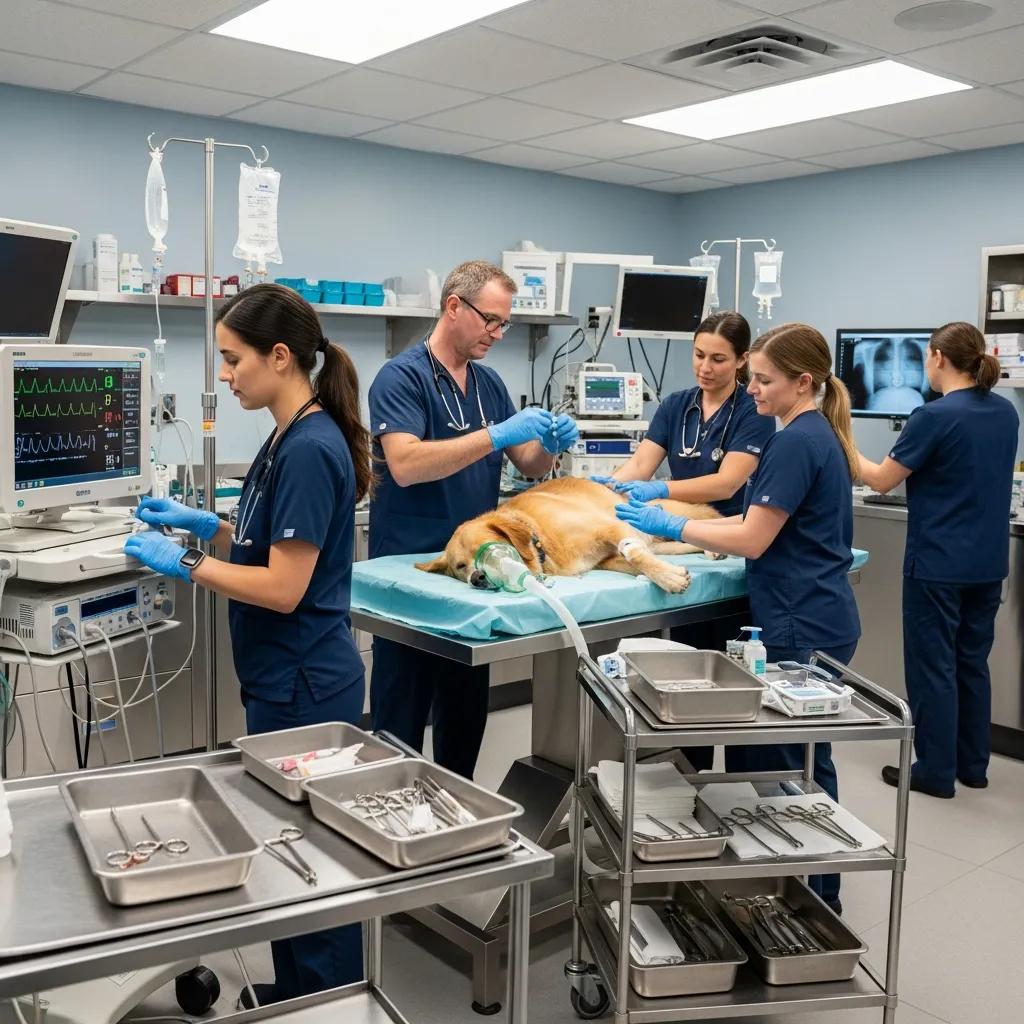
Emergency and urgent surgeries require fast triage, stabilization, and often immediate operation to treat life‑threatening problems. Common scenarios include gastrointestinal foreign body obstruction, severe trauma, dystocia needing a C‑section, and pyometra. Our typical approach includes phone triage advice, rapid on‑site assessment, immediate imaging or bloodwork, and expedited surgical scheduling when necessary. Knowing key signs — severe abdominal pain, continuous vomiting, collapse, uncontrolled bleeding, or stalled labor — helps owners get pets to care quickly. The sections below outline common emergency surgeries and how urgent cases are coordinated locally.
Having a clear plan for urgent events reduces delays and improves outcomes, especially when owners can provide an accurate history and arrive prepared for rapid intake.
What Emergency Surgeries Are Performed, Such as Foreign Body Removal and C-Sections?
Common emergency surgeries include removal of gastrointestinal foreign bodies, exploratory abdominal surgery for severe pain or internal bleeding, C‑sections for obstructed labor, and surgery for life‑threatening trauma. These problems can become fatal without prompt intervention. Signs are often clear — intractable vomiting with abdominal pain, inability to pass stool, breathing trouble, or obstructed labor. Initial steps focus on stabilization (fluids, pain control), rapid diagnostics (radiographs, ultrasound), and fast anesthesia planning; timely surgery often makes the difference between survival and poor outcome. Prognosis varies by condition and how quickly care begins, so early presentation is critical.
Emergency cases may require intensive monitoring and longer hospitalization, and a clearer prognosis often emerges after surgery and stabilization. Quick recognition and fast transport are key to the best possible outcomes.
How Is Urgent Surgical Care Coordinated for Pets in Long Beach?
Coordination starts with phone triage to assess severity, then rapid transport to the clinic for intake, stabilization, and diagnostics. Clear communication between owners and the surgical team speeds care. Be ready to give a concise history, current medications, and any known allergies — that information helps prioritize interventions and tailor anesthesia. If a referral to a specialty center is needed, we coordinate transfer and share diagnostic findings to avoid delays. After emergency surgery we provide specific discharge instructions and a follow‑up plan to monitor recovery.
Having a planned route to the clinic, an up‑to‑date medical summary for your pet, and a basic understanding of triage steps helps you act quickly and lets the surgical team concentrate on lifesaving care. Clear post‑op communication and scheduled rechecks keep recovery on track.
Why Choose Pine Animal Hospital for Your Pet’s Surgical Needs in Long Beach?
Choosing the right surgeon depends on clinical skill, diagnostic capability, compassionate care, and clear communication about risks and costs — all factors that affect outcomes and owner confidence. Pine Animal Hospital combines specialist‑level diagnostics and microbiology expertise with a focus on affordable, compassionate care. That combination supports accurate surgical planning, individualized anesthesia, and focused postoperative management. Our case examples and outcomes show how coordinated diagnostics and monitoring lead to smoother recoveries and fewer complications, giving owners practical reasons to choose our clinic.
Below are specific strengths and reasons owners often select our team when planning surgical care in Long Beach. These points translate clinical features into owner‑focused benefits and next steps for scheduling a consult.
What Expertise Does Dr. Steve Manyak Bring to Veterinary Surgery?
Dr. Steve Manyak brings diagnostic leadership rooted in microbiology and an emphasis on specialist‑level testing. That background helps him interpret lab and culture results precisely, tailor antibiotic choices, and anticipate infectious risks that could affect surgical outcomes. His diagnostic focus also aids in selecting the right imaging and translating findings into safer anesthesia and postoperative plans. Owners benefit because this diagnostic rigor reduces unexpected intraoperative surprises and supports more predictable recoveries.
When test results reveal complicating factors, a clinician experienced in microbiology and advanced diagnostics can adjust the plan proactively and explain risks and likely outcomes before surgery, which improves decision‑making and aligns expectations for recovery.
How Do Testimonials and Case Studies Reflect Successful Surgical Outcomes?
Anonymized case summaries and client feedback commonly highlight fast diagnostic workups, attentive monitoring, and clear discharge instructions as drivers of successful recoveries and owner satisfaction. Typical stories focus on timely imaging and lab work that guided a lifesaving surgery, or on careful pain management and rehab that restored mobility after orthopedic repair. Clients often mention clear communication, compassionate handling, and reasonable cost as reasons they trusted our team. These real examples help prospective clients understand what to expect and how outcomes are achieved.
When considering surgery, ask to see similar case examples or discuss comparable cases during your consult to better understand prognosis and timelines. Real‑world outcomes help set realistic expectations for healing.
Frequently Asked Questions
What should I do if my pet experiences complications after surgery?
If you notice excessive swelling, increasing redness or discharge at the incision, persistent vomiting, difficulty breathing, or sudden collapse after surgery, contact us immediately. Close monitoring during recovery and early reporting of unusual signs allow prompt evaluation and treatment. Early intervention often prevents more serious problems.
How can I help my pet recover faster after surgery?
Follow your veterinarian’s post‑op instructions carefully: give medications on schedule, limit activity as advised, and watch the incision. Provide a quiet, comfortable spot to rest, keep food and water within easy reach, and minimize stressful activity. If you have concerns about pain or mobility, call us so we can adjust care.
What are the signs that my pet is in pain after surgery?
Watch for whimpering, repeated licking or biting at the incision, reluctance to move, changes in appetite, hiding, panting, or unusual aggression. If you see these signs, contact your veterinarian — effective pain control is important for healing and comfort.
How long will it take for my pet to recover from surgery?
Recovery varies by procedure. Soft‑tissue surgeries often show initial healing in 7–14 days; orthopedic repairs can take weeks to months for full recovery. Your veterinarian will give a procedure‑specific timeline and schedule follow‑ups to monitor progress.
What should I include in my pet’s post-operative care plan?
Your post‑op plan should list medication timing for pain relief and any antibiotics, activity restrictions, incision‑monitoring steps, and the date of the follow‑up appointment. Prepare soft bedding, easy access to food and water, and a protective device (like an Elizabethan collar) if recommended to prevent licking the incision.
Can I feed my pet immediately after surgery?
Most pets should not eat immediately after anesthesia. We typically recommend withholding food for a few hours post‑op to reduce nausea and aspiration risk. Once your pet is alert and stable, offer small amounts of a bland diet as recommended by your vet and follow the clinic’s feeding instructions.
What should I do if my pet refuses to eat after surgery?
Loss of appetite right after surgery can be normal due to anesthesia or mild pain. Offer small amounts of a bland diet or a favorite food and keep your pet comfortable. If your pet won’t eat for more than 24 hours, or shows other concerning signs, call the clinic for advice — they may need an exam or supportive care.
Conclusion
When you choose Pine Animal Hospital for surgery, you’re choosing experienced clinicians, thorough diagnostics, and compassionate, transparent care. Our focus on safety and effective pain management helps pets recover more smoothly and reliably. Understanding the surgical journey and preparing ahead of time will help you make confident decisions for your pet’s health. Schedule a consultation today to talk through options and next steps for your furry family member.